Environmental Problems and Solutions
Interactive passage with audio narration, comprehension questions, and printable PDF.
By completing this purchase you agree to our Terms of Use and Privacy Policy. Your subscription renews automatically until you cancel. You can cancel anytime from your account settings. All sales are final and non-refundable. Digital content is available for download in your account immediately upon purchase.
What's included
Environmental Problems and Solutions preview and details
About this printable Environmental Problems and Solutions science reading passage, NGSS-aligned (Grades 5-8)
Sample passage and quiz from Environmental Problems and Solutions
Reading passage and comprehension quiz preview
Environmental Problems and Solutions
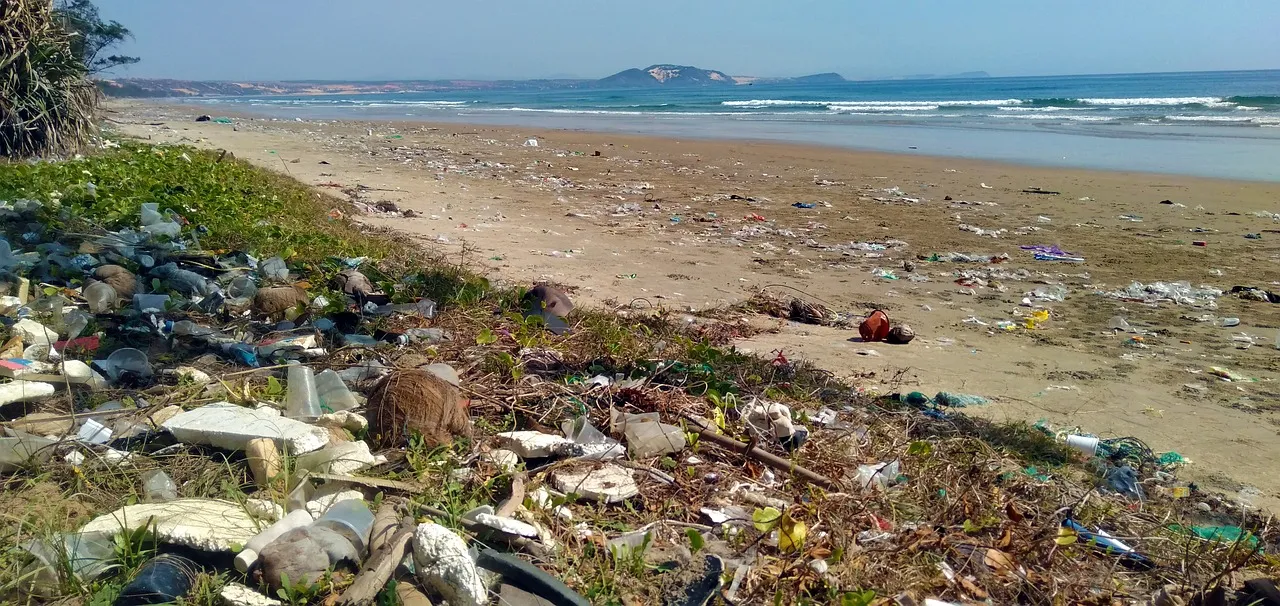
Environmental problems are pressing issues that affect ecosystems, human health, and global stability. Today, rapid changes in land use, industrialization, and resource consumption have led to complex challenges such as habitat loss, pollution, climate change, invasive species, and overexploitation of resources. Scientists study these phenomena to understand their causes and find solutions that protect both nature and society.
How Environmental Problems Develop
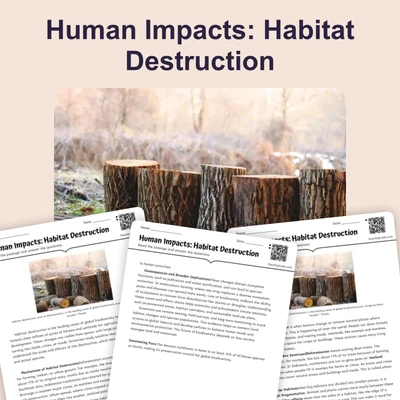
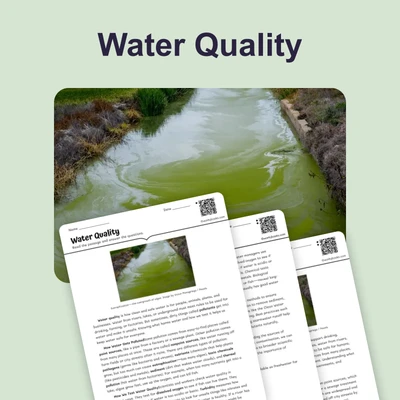
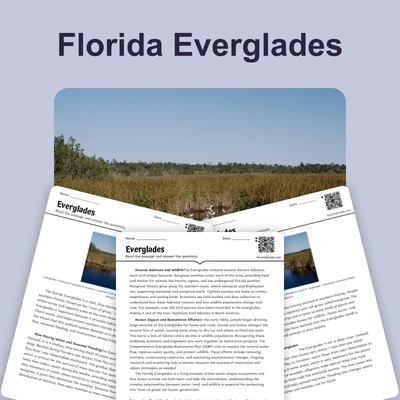
Environmental problems often begin with human activities that disrupt natural systems. For example, deforestation removes trees that provide shelter and food for many species, leading to habitat loss. This can cause the extinction rate to rise to more than 100 times the natural background rate. Pollution from factories and vehicles releases chemicals into the air and water, harming living things and contaminating resources. Burning fossil fuels increases carbon dioxide in the atmosphere, which traps heat and causes global temperatures to rise—a process known as climate change. Invasive species, introduced accidentally or intentionally, can outcompete native species, disrupting local food webs. Overexploitation, such as overfishing or excessive logging, depletes populations faster than they can recover.
Solutions: Policies, Technology, and International Cooperation
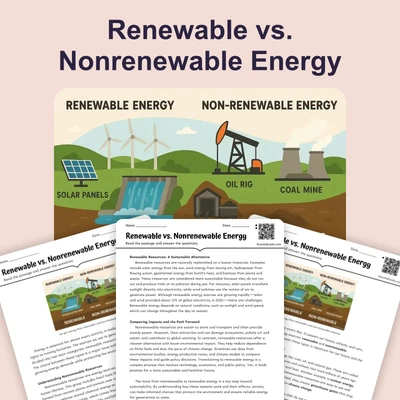
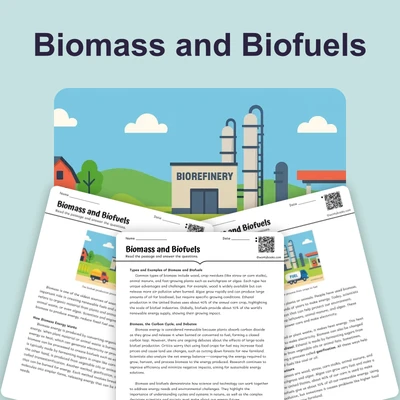
Addressing environmental problems requires a combination of solutions. Protected areas and restoration projects help reverse habitat loss by preserving and rebuilding natural habitats. Pollution is managed through regulations, cleanup technologies, and transitioning to cleaner energy sources. To combat climate change, countries set emissions reduction targets and invest in renewable energy like solar and wind. Laws such as the Endangered Species Act, and international agreements like the Paris Agreement or CITES, provide policy frameworks for conservation. Technology also plays a crucial role; for example, bioremediation uses living organisms to break down pollutants, while green infrastructure, like green roofs and permeable pavements, reduces urban runoff and heat. Prevention and control programs help stop invasive species from spreading, and sustainable practices like fishing quotas prevent overexploitation.
Interactions and Impacts
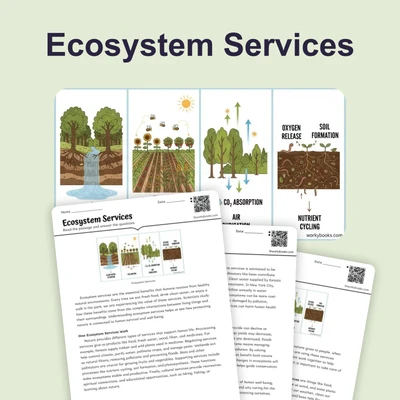
These solutions are interconnected and often reinforce each other. For instance, using renewable energy not only reduces greenhouse gas emissions but also decreases air pollution and conserves water resources. Restoration efforts can improve biodiversity and provide ecosystem services such as clean air and water. Policies and technology are most effective when combined with public education and international cooperation, ensuring that solutions are applied on a global scale. Scientists use monitoring and data collection to measure progress, adapt strategies, and predict potential challenges.
Understanding environmental problems as part of a complex system helps us design better solutions. By recognizing the links between human actions, ecological processes, and policy, we can protect the planet for future generations.
Interesting Fact: Since 1970, the world has lost over 60% of its wild animal populations, highlighting the urgent need for environmental solutions.
Comprehension quiz (10 questions)
1. What is the main cause of habitat loss mentioned in the passage?
2. Which process traps heat in the atmosphere and causes global temperatures to rise?
3. What technology uses living organisms to break down pollutants?
4. What does 'overexploitation' mean as used in the passage?
5. Which of the following is an example of a policy tool to protect the environment?
6. What are 'protected areas' designed to do?
7. What is the best definition of 'ecosystem' as used in the passage?
8. Which is NOT a solution described in the passage?
9. True or False: Invasive species help native species thrive in their habitats.
10. True or False: International cooperation is important for solving global environmental problems.
Perfect for the way you teach
- Build comprehension skills
- Auto-graded quiz
- Differentiated reading
- Read together at home
- Improve fluency
- Quiet reading time
- Reading curriculum support
- Independent practice
- Track Lexile growth