
Interactive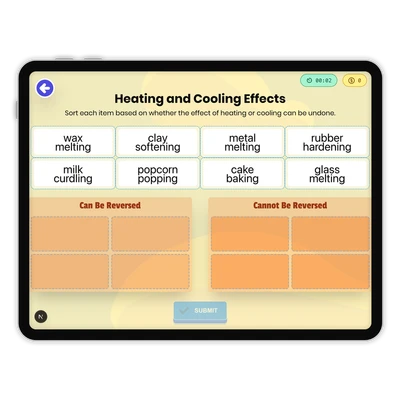

Grades 1–5
Heating and Cooling Effects
Game
$1.50

Explore our comprehensive Properties of Matter curriculum resources, designed for grades K to 8. This hub offers printable and digital worksheets, activities, reading passages, and games that build understanding of matter's properties, changes, and uses. Perfect for elementary teachers and parents seeking no-prep, standards-aligned materials.
Game
Game
Game
Game
Game
Game
40% off until Aug 1
Game
Game
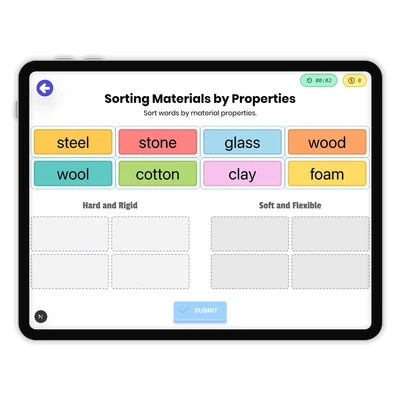
Game
Reading Passage
Reading Passage
Reading Passage
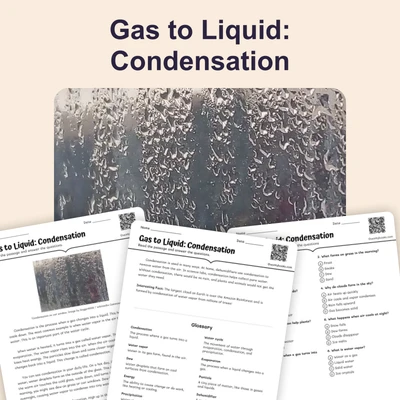
Reading Passage
40% off until Aug 1
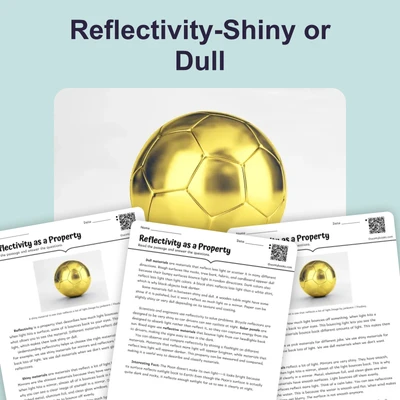
Reading Passage
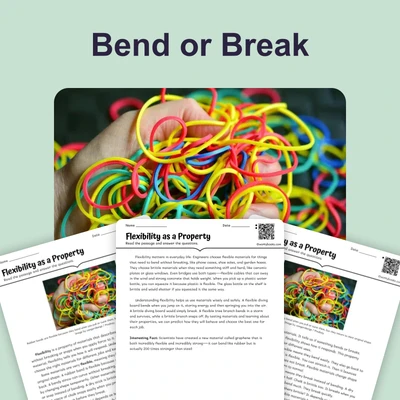
Reading Passage
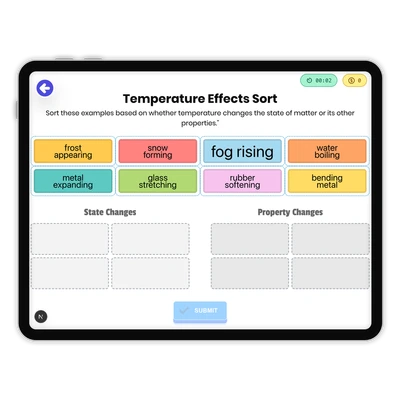
Game · 5-PS1-2
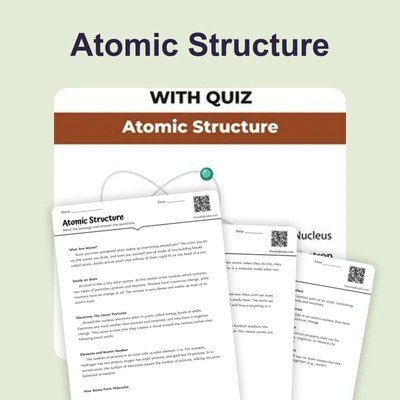
Reading Passage · MS-PS1-1
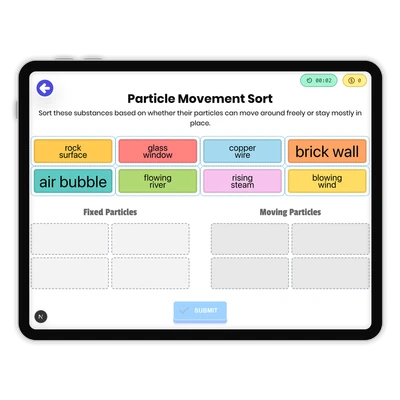
Game · 5-PS1-1
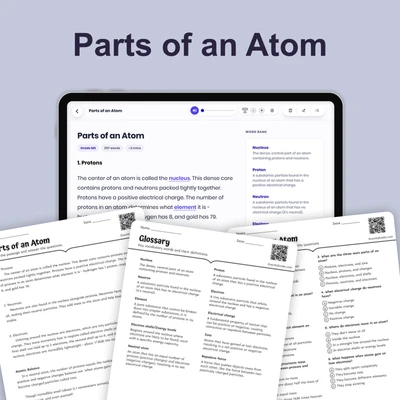
Reading Passage · MS-PS1-1
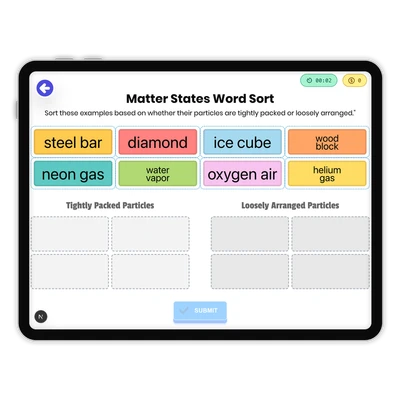
Game · 5-PS1-1
40% off until Aug 1
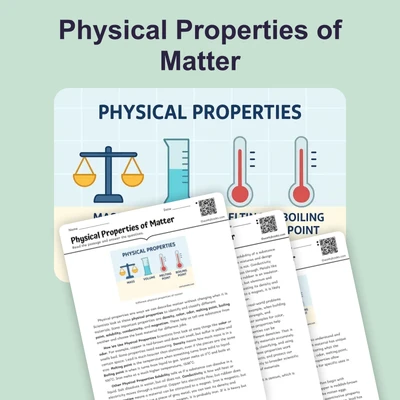
Reading Passage · MS-PS1-1
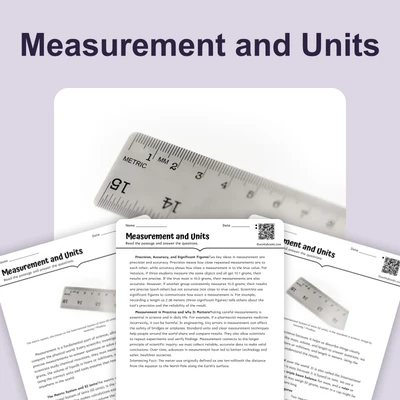
Reading Passage · MS-PS1-2
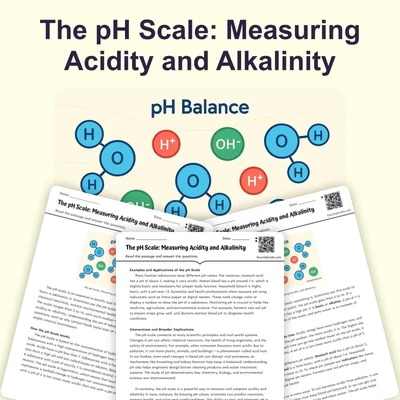
Reading Passage · MS-PS1-2
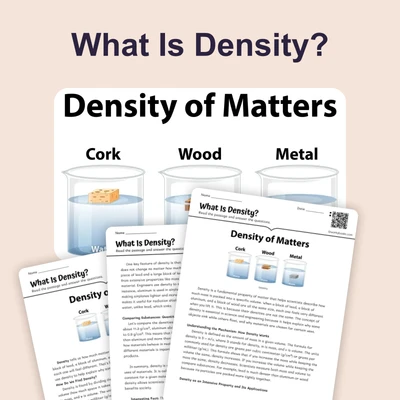
Reading Passage · MS-PS1-1
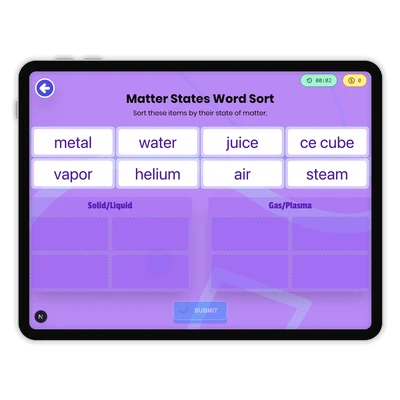
Game · PS1.A
Three ways to use Workybooks — pick what fits.
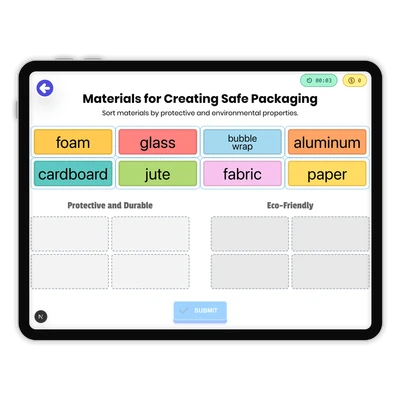
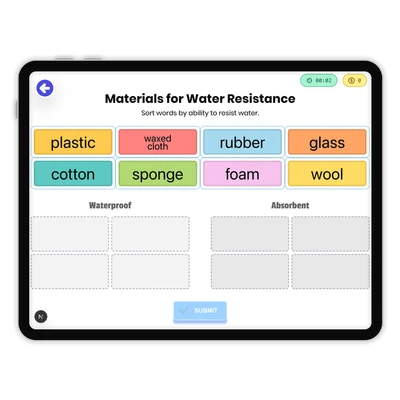
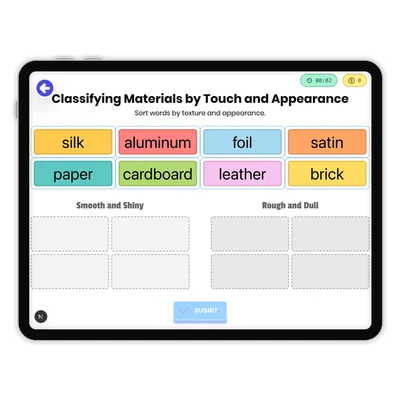
Properties of Matter is a foundational science topic that grows in complexity from kindergarten through eighth grade. In the earliest grades, students observe and classify materials by touch, appearance, and simple properties like hardness or flexibility. They explore how heating and cooling cause reversible changes, such as melting ice, and irreversible changes, like baking bread. As students progress, they investigate material selection for real-world tasks, such as choosing the best material for packaging or water resistance, and begin to differentiate physical changes from chemical reactions. By upper elementary, students examine concepts like evaporation, chemical reactions, and bonding, building a deeper understanding of matter at the molecular level.
Our resources cover these key themes through varied formats: word sorts, prediction activities, reading passages, and hands-on investigations. Students practice evidence-based reasoning, classification, and critical thinking while connecting science to everyday life. Related concepts include states of matter, thermal energy, chemical vs. physical changes, and material properties. This progression ensures that teachers can find the right level for their class, whether introducing basic sorting or exploring polar covalent bonds.
Teachers can use this hub to differentiate instruction across a mixed-ability classroom. Choose simpler sorting activities for whole-group introduction or literacy centers, and more complex reading passages or investigations for small groups or independent practice. The printable worksheets are ideal for homework, intervention, or review, while digital versions work well on classroom devices for centers or remote learning. Use the resources for assessment by selecting grade-appropriate tasks that show student understanding of reversible vs. irreversible changes or material properties. With both free and membership-based resources, you can mix and match to fit your lesson plans and student needs.
These resources align with grade-level Common Core standards for reading informational text and science literacy, as well as Next Generation Science Standards for physical science. They support key skills such as asking questions, planning investigations, and constructing evidence-based explanations about matter and its changes.
Yes, many of our Properties of Matter worksheets are printable and ready to use in your classroom. You can download and print them for hands-on activities, homework, or centers. Some resources are free, while others require a paid membership.
Absolutely. These Properties of Matter worksheets for kids are designed for grades K to 8, with age-appropriate content and activities. Younger students explore basic sorting and changes, while older students tackle more complex concepts like chemical reactions.
This hub spans kindergarten through eighth grade. You can filter by grade to find resources that match your students' level, from simple classification to advanced topics like bonding and evaporation.
Some resources are free to download, but most require a paid Workybooks membership. Membership gives you full access to all worksheets, activities, reading passages, and games across every grade and topic.