This learning resource is available in interactive and printable formats. The interactive worksheet can be played online and assigned to students. The Printable PDF version can be downloaded and printed for completion by hand.
This engaging Grade 4-5 science passage, 'Will It Mix? Understanding Solubility,' introduces students to the fundamental concept of solubility and how certain substances dissolve in liquids to form solutions. The passage clearly explains key vocabulary such as solubility, solvent, and mixture using real-world examples like sugar in water and oil in salad dressing. Students will explore why some things mix easily while others do not, with emphasis on scientific processes and practical applications. The passage is designed to meet NGSS science standards and includes an audio integration for improved accessibility. Additional activities include a multiple-choice quiz, glossary, Spanish translation, and writing prompts that encourage students to connect science to everyday life. This resource is perfect for classrooms, remote learning, or science centers looking to reinforce the understanding of mixtures and solutions.
CONTENT PREVIEW
Expand content preview
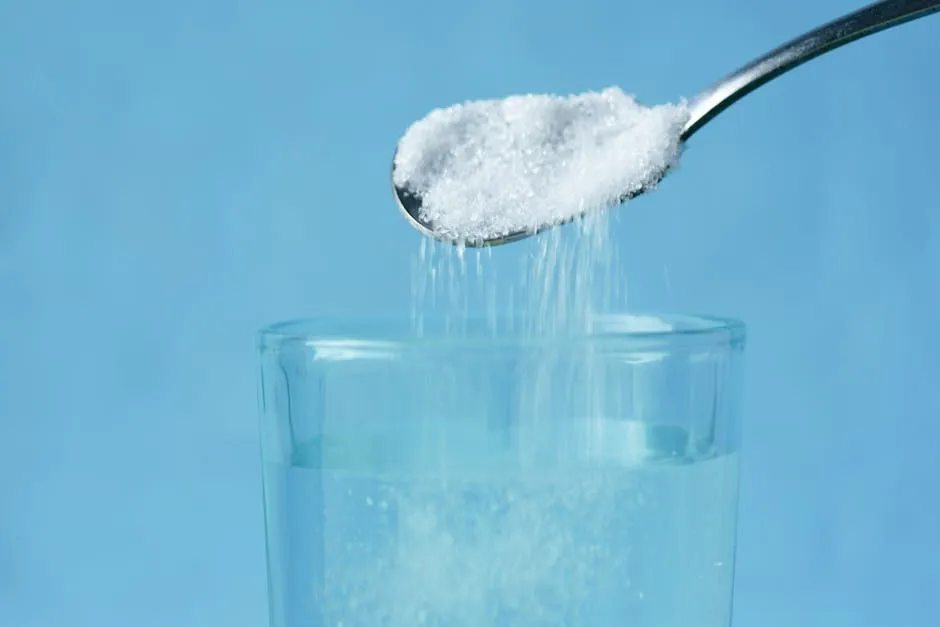
Sugar is the solute and water is the solvent. Image by Towfiqu barbhuiya / Pexels.
Solubility is the ability of a substance to dissolve in a liquid, like water. When a substance dissolves, it breaks apart and spreads out evenly in the liquid. The liquid that does the dissolving is called the solvent. The substance that gets dissolved is called the solute.
For example, when you stir sugar into water, the sugar disappears because it has dissolved. Sugar is the solute and water is the solvent. Together, they make a solution, which is a type of mixture where everything is mixed so well, you can’t see the separate parts.
Not everything dissolves in water. If you pour oil into water, the oil stays on top. This means oil is not soluble in water. Substances that do not dissolve are called insoluble. Sand is another example of something that is insoluble in water. When you mix sand and water, the sand just sinks to the bottom.
Solubility is important in many parts of life. When you make lemonade, the sugar must dissolve in the water to taste sweet. In nature, rivers carry dissolved minerals that help plants grow. In medicine, some pills need to dissolve in your stomach so your body can use them. Scientists test solubility to find out which substances can mix and which cannot.
Temperature can also affect solubility. Sometimes, substances dissolve better in warm liquids than in cold ones. That’s why sugar dissolves faster in hot tea than in iced tea.
Interesting Fact: Some fish can only live in water with certain dissolved minerals. The right solubility helps keep their homes healthy!
What is a solvent?
A liquid that dissolves another substanceA solid that sinks in waterA gas that floats in airA color in a solution
What happens when sugar is stirred in water?
It dissolvesIt floatsIt sinksIt changes color
What is a mixture?
A combination of substancesA type of animalA dissolved gasA single liquid
What happens to oil in water?
It floats on topIt dissolvesIt sinksIt disappears
Why does sugar dissolve faster in hot tea?
Temperature affects solubilityHot tea is sweeterSugar is heavierHot tea is thicker
Which is an example of something insoluble?
Sand in waterSugar in waterSalt in waterJuice in water
All substances dissolve in water.
TrueFalse
What does 'dissolve' mean?
Mix completely and disappearFloat on topChange colorBecome solid
Perfect For:
👩🏫 Teachers
• Reading comprehension practice
• Auto-graded assessments
• Literacy skill development
👨👩👧👦 Parents
• Reading practice at home
• Comprehension improvement
• Educational reading time
🏠 Homeschoolers
• Reading curriculum support
• Independent reading practice
• Progress monitoring
Reading Features:
📖
Reading Passage
Engaging fiction or nonfiction text
❓
Comprehension Quiz
Auto-graded questions
📊
Instant Feedback
Immediate results and scoring
📄
Printable Version
Download for offline reading
🔊
Read Aloud
Voice-over with word highlighting
Reviews & Ratings
No reviews yet. Be the first to share your experience!
Related Content
Physical Properties of Matter
This comprehensive reading passage introduces grades 6-8 students to the concept of physical properties of matter, perfe...
MS-PS1-1
Changes in Matter
This engaging science passage introduces Grade 4-5 students to the concept of how matter can change, meeting NGSS standa...
What Are Physical Changes?
This engaging Grade 4-5 science passage introduces students to the concept of physical changes in matter, aligning with ...
Physical Changes: Evaporation
This middle school science passage examines the process of evaporation, a fundamental physical change where a liquid tur...
MS-PS1-4
Kinetic Theory of Matter
This middle school science reading passage introduces students to the kinetic theory of matter, aligning with NGSS MS-PS...
MS-PS1-4
Physical Changes: Deposition
This middle school science passage explores the concept of deposition, a type of physical change where matter transition...
MS-PS1-4
The Nature of Science
This passage explores the nature of science for middle school students, aligning with NGSS standards MS-ETS1-4, MS-PS1-1...
MS-ETS1-4MS-PS1-1MS-LS1-1
Particle Model of Matter
This comprehensive science reading passage for grades 6-8 explores the particle model of matter, aligning with NGSS stan...
MS-PS1-1MS-PS1-4
Physical Changes: Sublimation
This educational passage for grades 6-8 explores the science of sublimation—a physical change where a solid transforms d...
MS-PS1-4
Physical Changes: Condensation
This middle school science passage explores the process of condensation, the physical change where a gas becomes a liqui...
MS-PS1-4
Is Evaporation a Physical Change
"This reading passage is designed for middle school students to explore the concept of evaporation and its classificatio...
Chemical Properties of Matter
This engaging middle school science passage explores the chemical properties of matter, focusing on how these properties...
MS-PS1-2
Science Vocabulary
This worksheet on domain-specific words will help students learn some science vocabulary. Students will be asked to matc...
L.3.6L.3.4.A
Simple Machines Science Report
This science writing task requires students to clearly explain how three simple machines work using precise domain-speci...
W.5.4
Matter States Word Sort
This interactive word sort focuses on helping students understand the different states of matter through real-world exam...
PS1.A
What Is Density?
This comprehensive science passage introduces middle school students (grades 6-8) to the concept of density, aligned wit...
MS-PS1-1
The Idea of the Atom
This informational science passage introduces middle school students (grades 6-8) to the concept that all matter is made...
MS-PS1-1
Matter States Word Sort
This classification activity helps students understand how particles are arranged in different states of matter. Student...
5-PS1-1
What Is Earth Science?
This engaging middle school science passage introduces students to the field of Earth science, aligning with NGSS standa...
MS-ESS1MS-ESS2MS-ESS3SEP
Citizen Science and Ecological Monitoring
This engaging passage for grades 6-8 introduces the concept of citizen science and its critical role in ecological monit...