
Interactive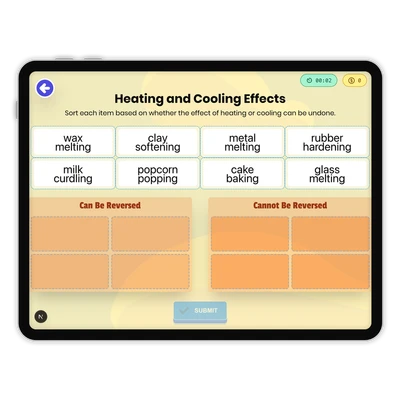

Grades 1–5
Heating and Cooling Effects
Game
$1.50

Explore our comprehensive collection of Matter curriculum resources for grades K-8, including worksheets, games, readers, and activities. From properties of matter to chemical reactions, this hub supports elementary teachers and parents with no-prep, standards-aligned materials that build understanding across the grade range.
Game
Game
Game
Game
Game
Game
40% off until Aug 1
Game
Game
Game
Game
Reading Passage
Reading Passage
Reading Passage
40% off until Aug 1
Reading Passage
Reading Passage
Reading Passage
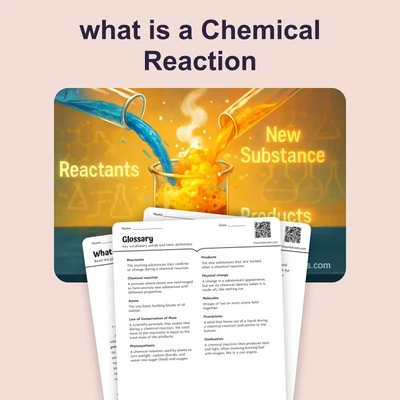
Reading Passage
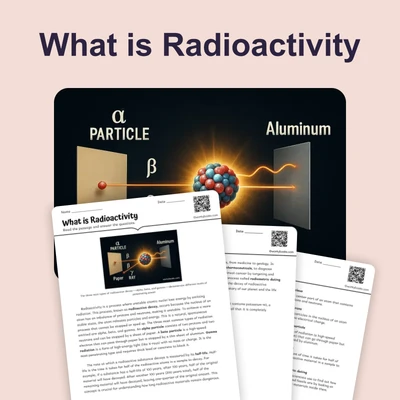
Reading Passage
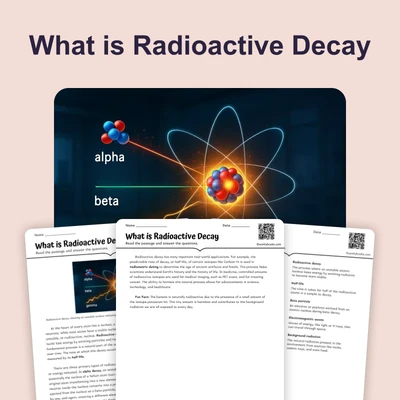
Reading Passage
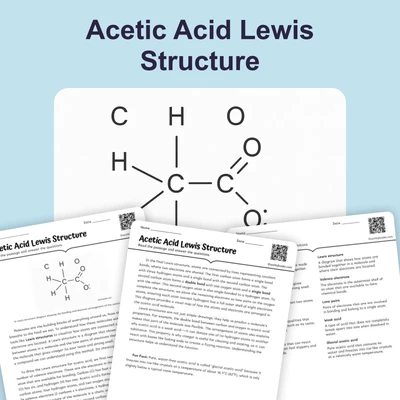
Reading Passage
40% off until Aug 1
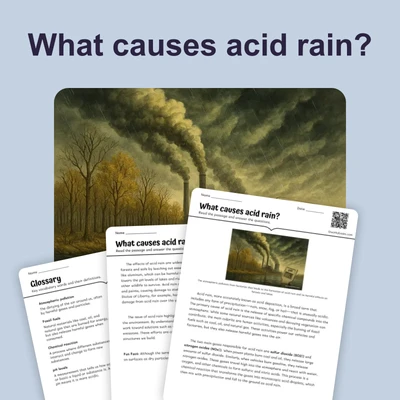
Reading Passage
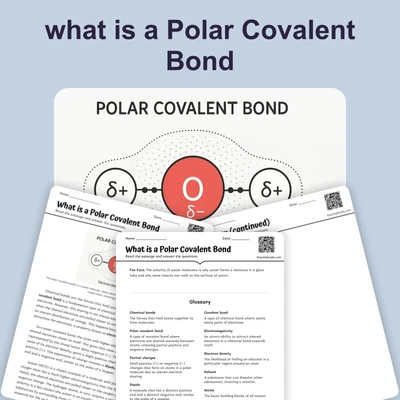
Reading Passage
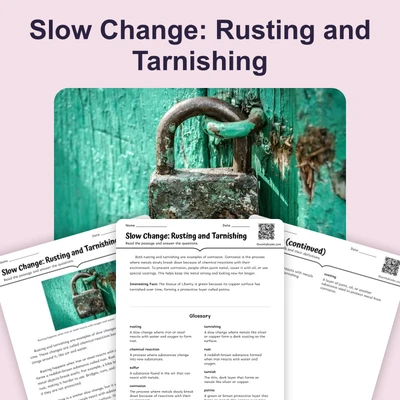
Reading Passage
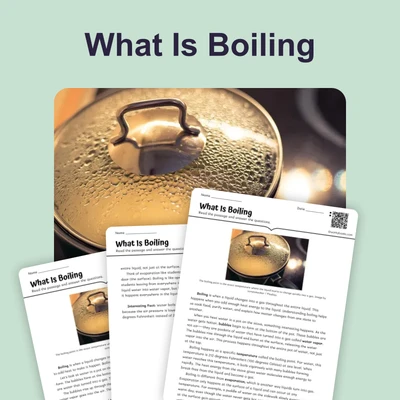
Reading Passage
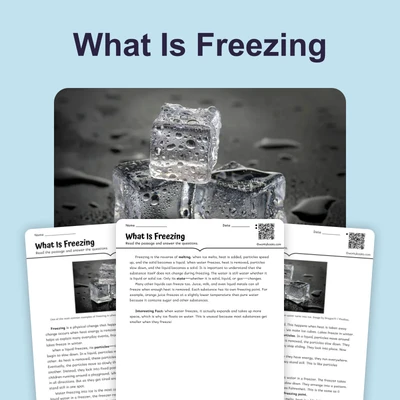
Reading Passage
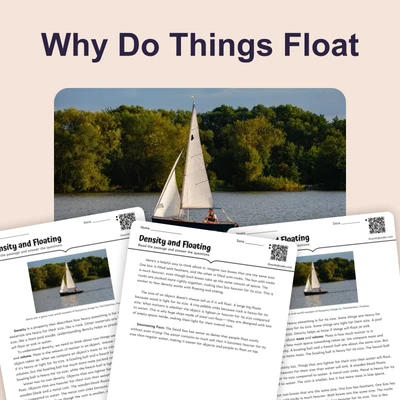
Reading Passage
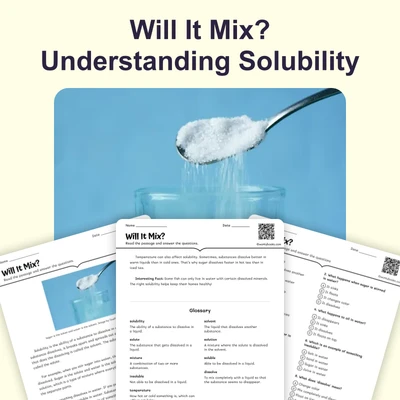
Reading Passage
40% off until Aug 1
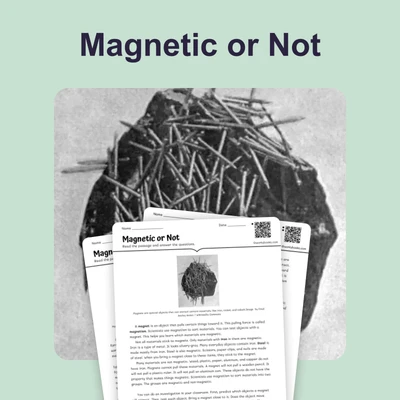
Reading Passage
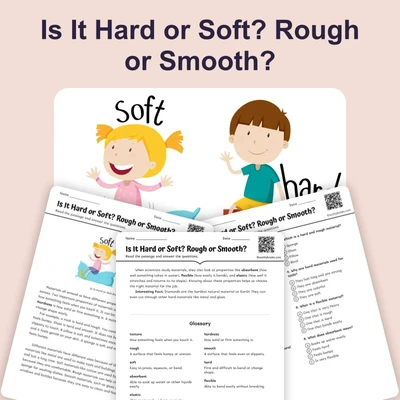
Reading Passage
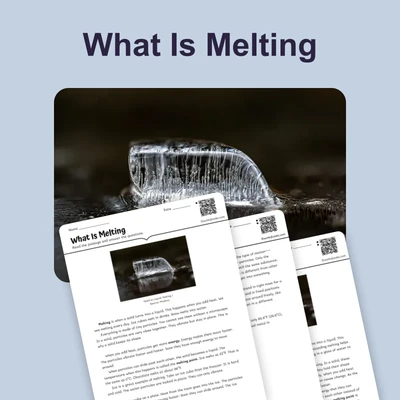
Reading Passage
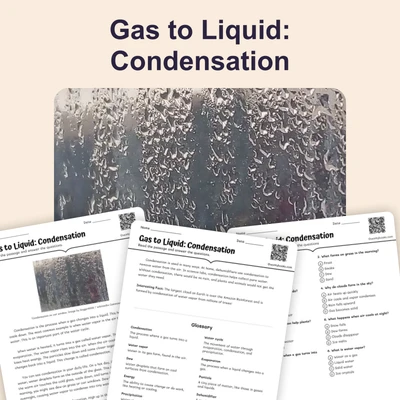
Reading Passage
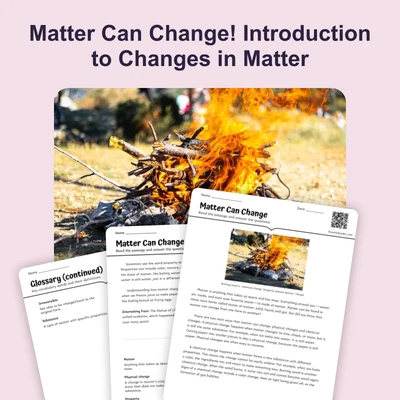
Reading Passage
Reading Passage
Reading Passage
40% off until Aug 1

Reading Passage · 4-ESS2-1
Reading Passage
Reading Passage
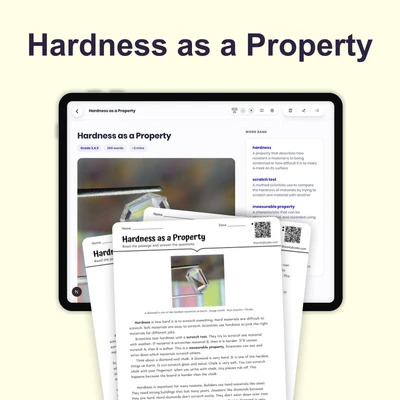
Reading Passage · 5-PS1-3
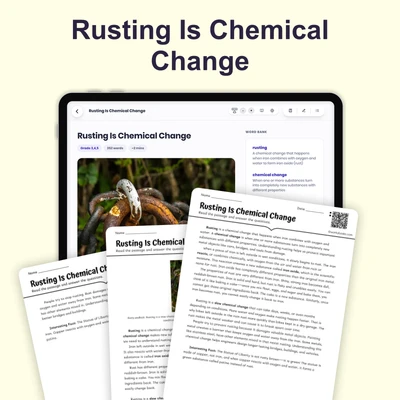
Reading Passage · 5-PS1-4
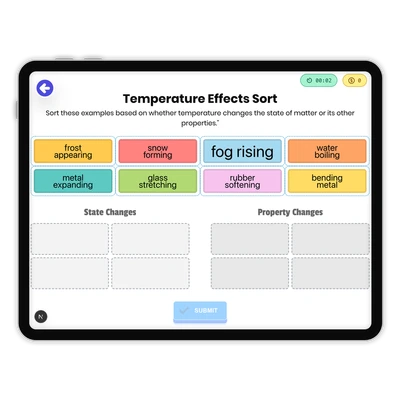
Game · 5-PS1-2
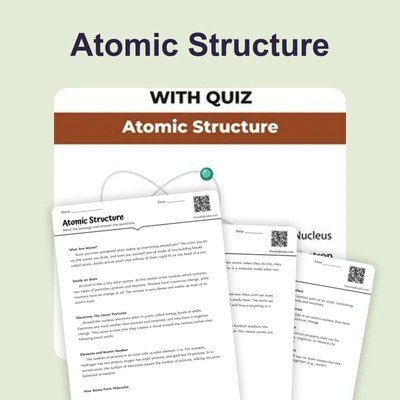
Reading Passage · MS-PS1-1
40% off until Aug 1
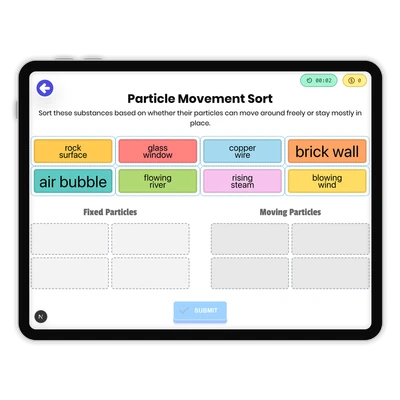
Game · 5-PS1-1
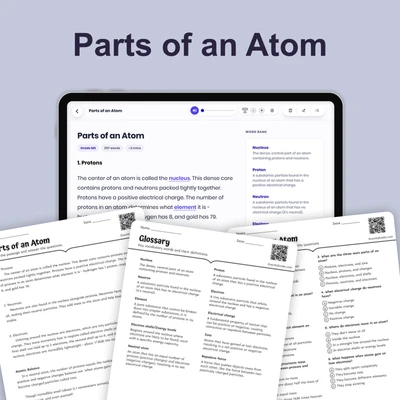
Reading Passage · MS-PS1-1
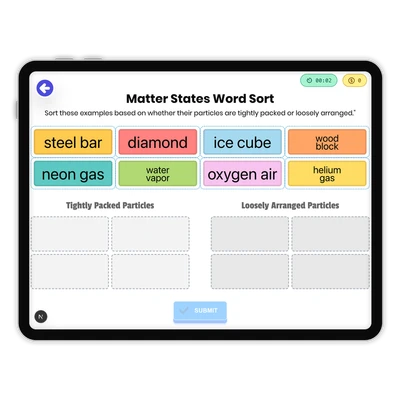
Game · 5-PS1-1
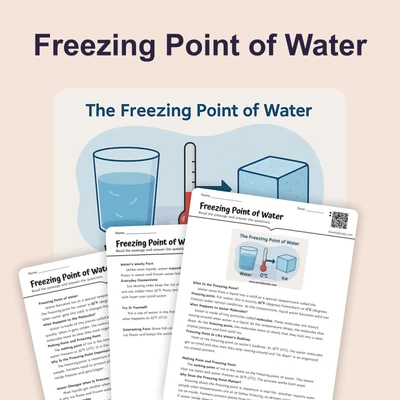
Reading Passage · MS-PS1-1
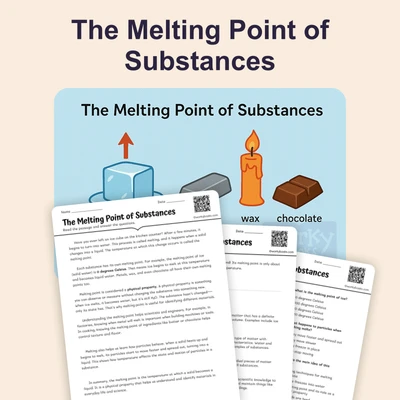
Reading Passage · 5-PS1
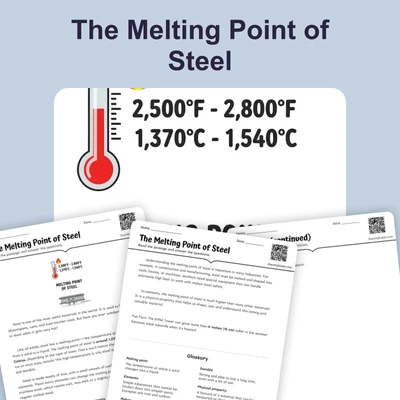
Reading Passage · 5-PS1
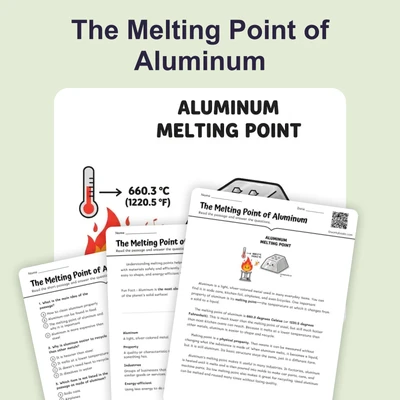
Reading Passage · 5-PS1
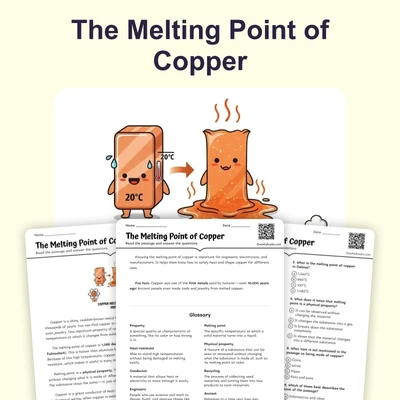
Reading Passage · 5-PS1
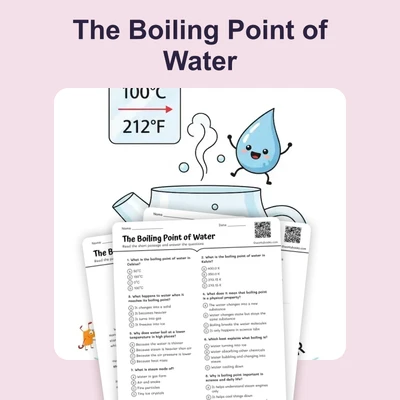
Reading Passage · 5-PS1
Three ways to use Workybooks — pick what fits.
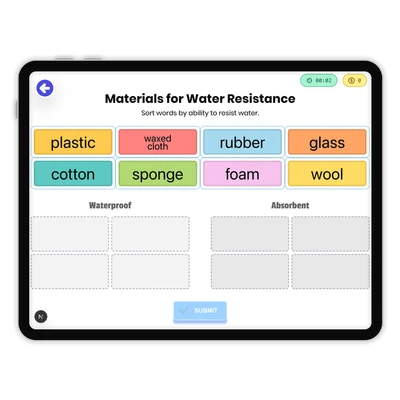
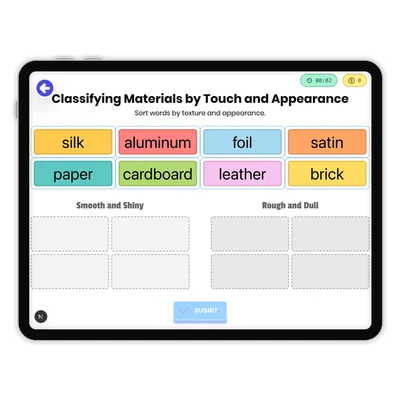
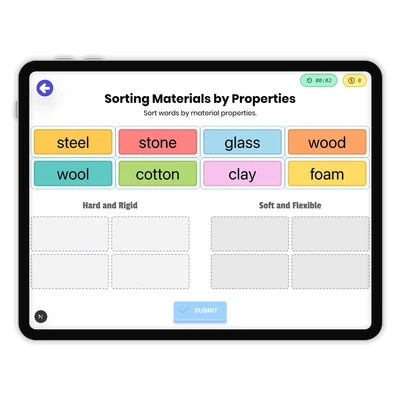
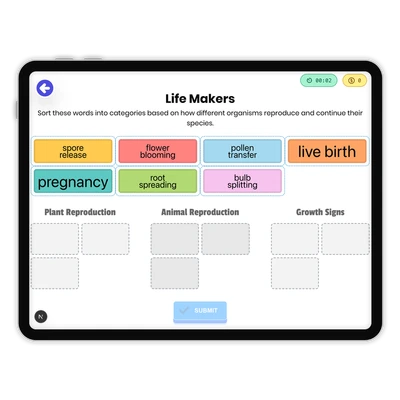
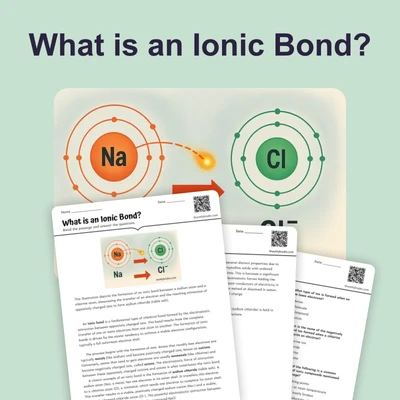
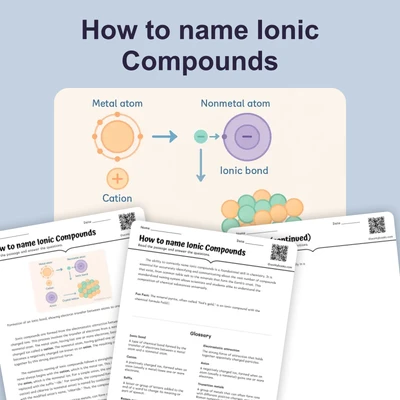
In the earliest grades, students explore matter through hands-on sorting and classifying activities, such as grouping materials by touch, appearance, or properties like water resistance and durability. They investigate how heating and cooling cause reversible or irreversible changes, building foundational ideas about physical and chemical transformations. As students progress into upper elementary, they delve into atoms, molecules, and elements, learning about valence electrons, ionic bonds, and how to name compounds. The periodic table becomes a tool for understanding mixtures, solutions, and chemical reactions. Throughout this progression, students develop critical thinking, evidence-based reasoning, and vocabulary related to states of matter, evaporation, and material science.
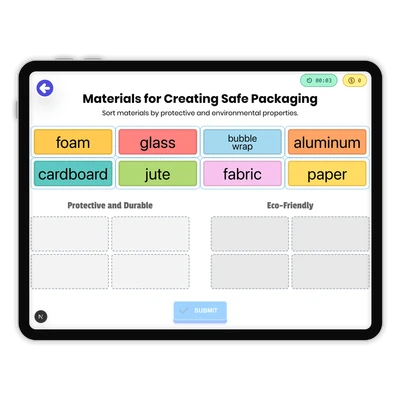
Resources on this page span all these subtopics, with activities like word sorts, reading passages, and experiments that reinforce key concepts. Students practice identifying properties, predicting changes, and applying their knowledge to real-world scenarios, such as choosing materials for safe packaging. This progression ensures that learners build a coherent understanding of matter from concrete observations to abstract models.
Teachers can use this hub to differentiate instruction across a mixed-ability classroom. For whole-group lessons, select a grade-appropriate reading passage or interactive game to introduce a concept. Small groups can work on targeted worksheets or sorting activities, while centers offer hands-on exploration of states of matter or chemical reactions. Independent practice and homework assignments can be drawn from printable or digital resources, and intervention or review sessions can focus on specific subtopics like reversible vs. irreversible changes. The variety of resource types allows teachers to mix and match for assessment, literacy centers, or scaffolded learning, ensuring every student finds the right level of challenge.
These resources are aligned with grade-level Common Core State Standards for science and literacy, supporting key skills such as asking questions, analyzing data, and constructing explanations across the K-5 grade range.
Yes, many of our Matter worksheets printable resources are available as PDFs for easy printing. Some are free, while others require a paid membership. You can also access digital versions for interactive use on devices.
Absolutely. Our Matter worksheets for kids span grades K-8, with content that progresses from basic property sorting to complex chemical reactions. You can filter by grade to find the right level for your child or student.
Each resource includes a suggested grade range and alignment to standards. You can browse by subtopic (e.g., states of matter, mixtures) and preview sample pages to ensure the difficulty matches your students' needs.
Yes, many resources are available in digital formats that work on tablets, Chromebooks, or computers. They are ideal for independent practice, homework, or remote instruction, and printable versions are also provided for offline use.