Reflectivity-Shiny or Dull — Reading Comprehension
Rate this
Premium Resource
Present
Present in classroom. No work saved
Assign
Classroom with student accounts, Track progress
Quick Play
No student accounts, assign with a link
Grades
4
5
6
PRINT+DIGITAL RESOURCE
This learning resource is available in interactive and printable formats. The interactive worksheet can be played online and assigned to students. The Printable PDF version can be downloaded and printed for completion by hand.
This engaging 400-word reading passage introduces fifth-grade students to the concept of reflectivity as outlined in NGSS Disciplinary Core Idea PS1.A. Students discover how reflectivity describes how much light bounces off a material's surface. The passage explains why shiny materials like metal, mirrors, and aluminum foil reflect lots of light, while rough or dark materials like rocks, fabric, and wood reflect less light. Through real-world examples and age-appropriate language, students learn that reflectivity is an observable property that can be compared and measured. The passage includes bolded vocabulary terms with immediate definitions, making complex scientific concepts accessible to typical fifth-grade readers. Audio integration supports diverse learners by providing auditory reinforcement of the text. Students explore practical applications of reflectivity, from bicycle reflectors that keep riders safe to solar panels that capture sunlight. The content aligns directly with NGSS standards for understanding material properties and prepares students for hands-on investigations comparing reflectivity across different surfaces. This foundational knowledge supports deeper exploration of light behavior and material science throughout the elementary curriculum.
CONTENT PREVIEW
Expand content preview
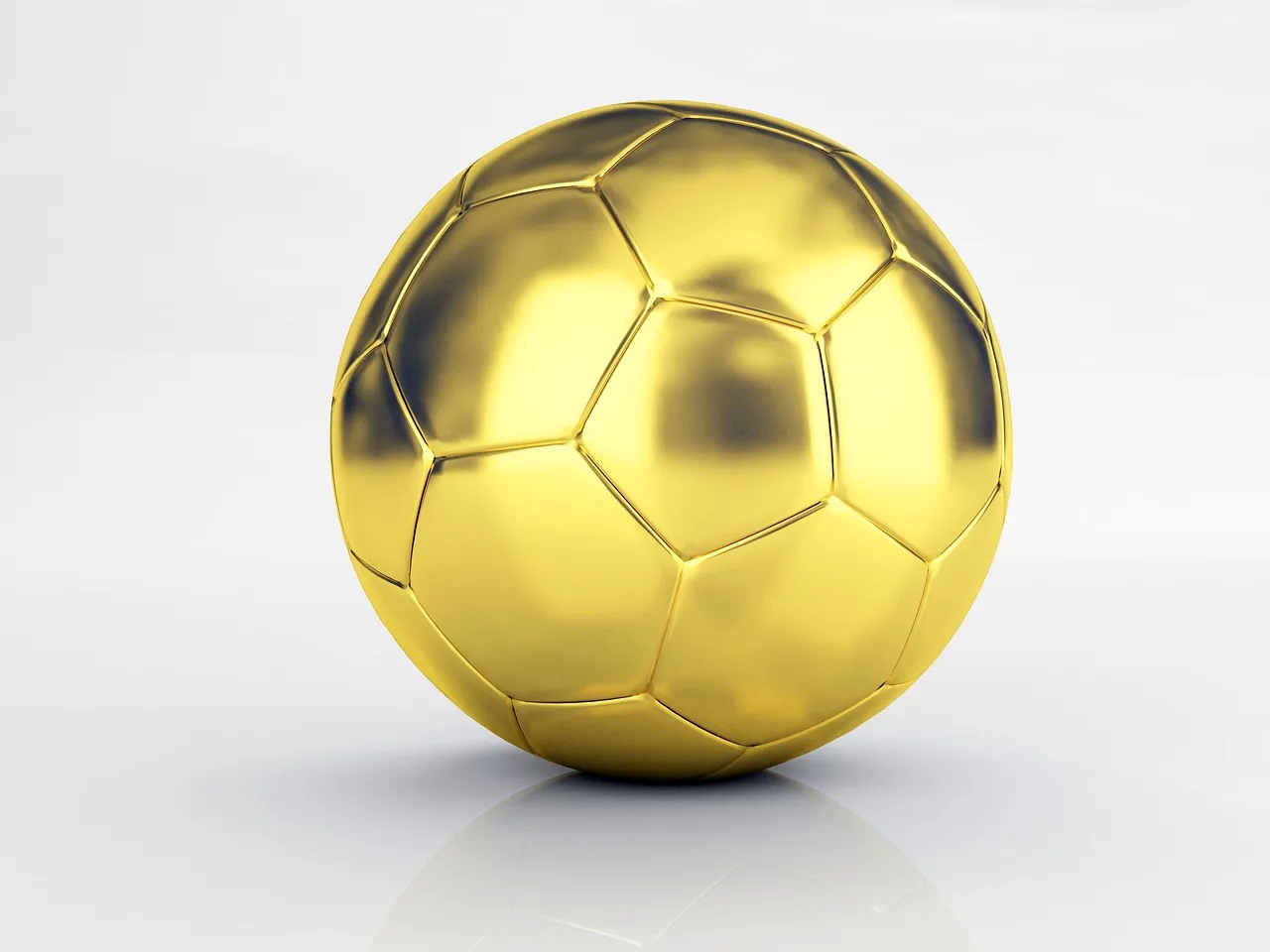
A shiny material is one that reflects a lot of light.Image by jonkamin / Pixabay.
Reflectivity is a property that describes how much light bounces off a material. When light hits a surface, some of it bounces back to your eyes. This bouncing light is what allows you to see the material. Different materials reflect different amounts of light, which makes them look shiny or dull.
Understanding reflectivity helps us choose the right materials for different jobs. For example, we use shiny materials for mirrors and reflectors because they bounce back lots of light. We use dull materials when we don't want glare or bright reflections.
Shiny materials are materials that reflect a lot of light back in an organized way. Mirrors are the shiniest materials because they have very smooth, flat surfaces. When light hits a mirror, almost all of it bounces back in the same direction. This is why you can see a clear image of yourself in a mirror. Other shiny materials include polished metal, aluminum foil, and clean glass windows. These materials have smooth surfaces that allow light to bounce off evenly.
The smoothness of a surface affects how much light it reflects. Think of a calm lake on a still day—you can see reflections of trees and clouds on the water's surface because it is smooth and flat. When the wind makes waves, the reflections become blurry because the surface is no longer smooth.
Dull materials are materials that reflect less light or scatter it in many different directions. Rough surfaces like rocks, tree bark, fabric, and cardboard appear dull because their bumpy surfaces bounce light in random directions. Dark colors also reflect less light than light colors. A black shirt reflects less light than a white shirt, which is why black objects look darker.
Some materials fall in between shiny and dull. A wooden table might have some shine if it is polished, but it won't reflect as much light as a mirror. Paper can be slightly shiny or very dull depending on its texture and coating.
Scientists and engineers use reflectivity to solve problems. Bicycle reflectors are designed to be very shiny so car drivers can see cyclists at night. Solar panels are designed to absorb light rather than reflect it, so they can capture energy from the sun. Road signs use reflective materials that bounce light from car headlights back to drivers, making the signs easy to see in the dark.
You can observe and compare reflectivity by shining a flashlight on different materials. Materials that reflect more light will appear brighter, while materials that reflect less light will appear darker. This property can be measured and compared, making it a useful way to describe and classify materials.
Interesting Fact: The Moon doesn't make its own light—it looks bright because its surface reflects sunlight back to Earth! Even though the Moon's surface is actually quite dark and rocky, it reflects enough sunlight for us to see it clearly at night.
What is reflectivity?
How much light bounces off a materialHow dark a material appearsHow smooth a material feelsHow heavy a material is
Why do mirrors look very shiny?
They are made of glassThey have smooth, flat surfacesThey are usually smallThey are kept very clean
Which material reflects the least light?
A polished mirrorAluminum foilA black shirtClean glass
Why are bicycle reflectors shiny?
To make bicycles look prettyTo help drivers see cyclists at nightTo keep bicycles cleanTo make bicycles go faster
What happens when light hits rough surface?
All light bounces back evenlyLight bounces in random directionsNo light bounces backLight passes straight through
How do solar panels use reflectivity?
They reflect all light awayThey scatter light everywhereThey absorb light for energyThey bounce light to other panels
Smooth surfaces always reflect more light than rough.
TrueFalse
What does the word 'dull' mean here?
Boring or uninterestingReflecting less lightVery rough to touchDifficult to see
Perfect For:
👩🏫 Teachers
• Reading comprehension practice
• Auto-graded assessments
• Literacy skill development
👨👩👧👦 Parents
• Reading practice at home
• Comprehension improvement
• Educational reading time
🏠 Homeschoolers
• Reading curriculum support
• Independent reading practice
• Progress monitoring
Reading Features:
📖
Reading Passage
Engaging fiction or nonfiction text
❓
Comprehension Quiz
Auto-graded questions
📊
Instant Feedback
Immediate results and scoring
📄
Printable Version
Download for offline reading
🔊
Read Aloud
Voice-over with word highlighting
Reviews & Ratings
No reviews yet. Be the first to share your experience!
Related Content
Physical Properties of Matter
This comprehensive reading passage introduces grades 6-8 students to the concept of physical properties of matter, perfe...
MS-PS1-1
Changes in Matter
This engaging science passage introduces Grade 4-5 students to the concept of how matter can change, meeting NGSS standa...
What Are Physical Changes?
This engaging Grade 4-5 science passage introduces students to the concept of physical changes in matter, aligning with ...
Kinetic Theory of Matter
This middle school science reading passage introduces students to the kinetic theory of matter, aligning with NGSS MS-PS...
MS-PS1-4
Particle Model of Matter
This comprehensive science reading passage for grades 6-8 explores the particle model of matter, aligning with NGSS stan...
MS-PS1-1MS-PS1-4
The Nature of Science
This passage explores the nature of science for middle school students, aligning with NGSS standards MS-ETS1-4, MS-PS1-1...
MS-ETS1-4MS-PS1-1MS-LS1-1
Evaporation as Physical Change
This middle school science passage examines the process of evaporation, a fundamental physical change where a liquid tur...
MS-PS1-4
Physical Changes: Deposition
This middle school science passage explores the concept of deposition, a type of physical change where matter transition...
MS-PS1-4
Sublimation as Physical Change
This educational passage for grades 6-8 explores the science of sublimation—a physical change where a solid transforms d...
MS-PS1-4
Physical Changes: Condensation
This middle school science passage explores the process of condensation, the physical change where a gas becomes a liqui...
MS-PS1-4
Chemical Properties of Matter
This engaging middle school science passage explores the chemical properties of matter, focusing on how these properties...
MS-PS1-2
Is Evaporation a Physical Change
"This reading passage is designed for middle school students to explore the concept of evaporation and its classificatio...
Science Vocabulary
This worksheet on domain-specific words will help students learn some science vocabulary. Students will be asked to matc...
L.3.6L.3.4.A
Matter States Word Sort
This interactive word sort focuses on helping students understand the different states of matter through real-world exam...
PS1.A
Simple Machines Science Report
This science writing task requires students to clearly explain how three simple machines work using precise domain-speci...
W.5.4
Matter States Word Sort
This classification activity helps students understand how particles are arranged in different states of matter. Student...
5-PS1-1
The Idea of the Atom
This informational science passage introduces middle school students (grades 6-8) to the concept that all matter is made...
MS-PS1-1
What Is Density?
This comprehensive science passage introduces middle school students (grades 6-8) to the concept of density, aligned wit...
MS-PS1-1
What Is Earth Science?
This engaging middle school science passage introduces students to the field of Earth science, aligning with NGSS standa...
MS-ESS1MS-ESS2MS-ESS3SEP
Citizen Science and Ecological Monitoring
This engaging passage for grades 6-8 introduces the concept of citizen science and its critical role in ecological monit...