Comparing Ancient Religions and Beliefs
Interactive passage with audio narration, comprehension questions, and printable PDF.
By completing this purchase you agree to our Terms of Use and Privacy Policy. Your subscription renews automatically until you cancel. You can cancel anytime from your account settings. All sales are final and non-refundable. Digital content is available for download in your account immediately upon purchase.
What's included
Comparing Ancient Religions and Beliefs preview and details
About this printable Comparing Ancient Religions and Beliefs reading passage (Grades 5-8)
Sample passage and quiz from Comparing Ancient Religions and Beliefs
Reading passage and comprehension quiz preview
Polytheism and Monotheism in Ancient World
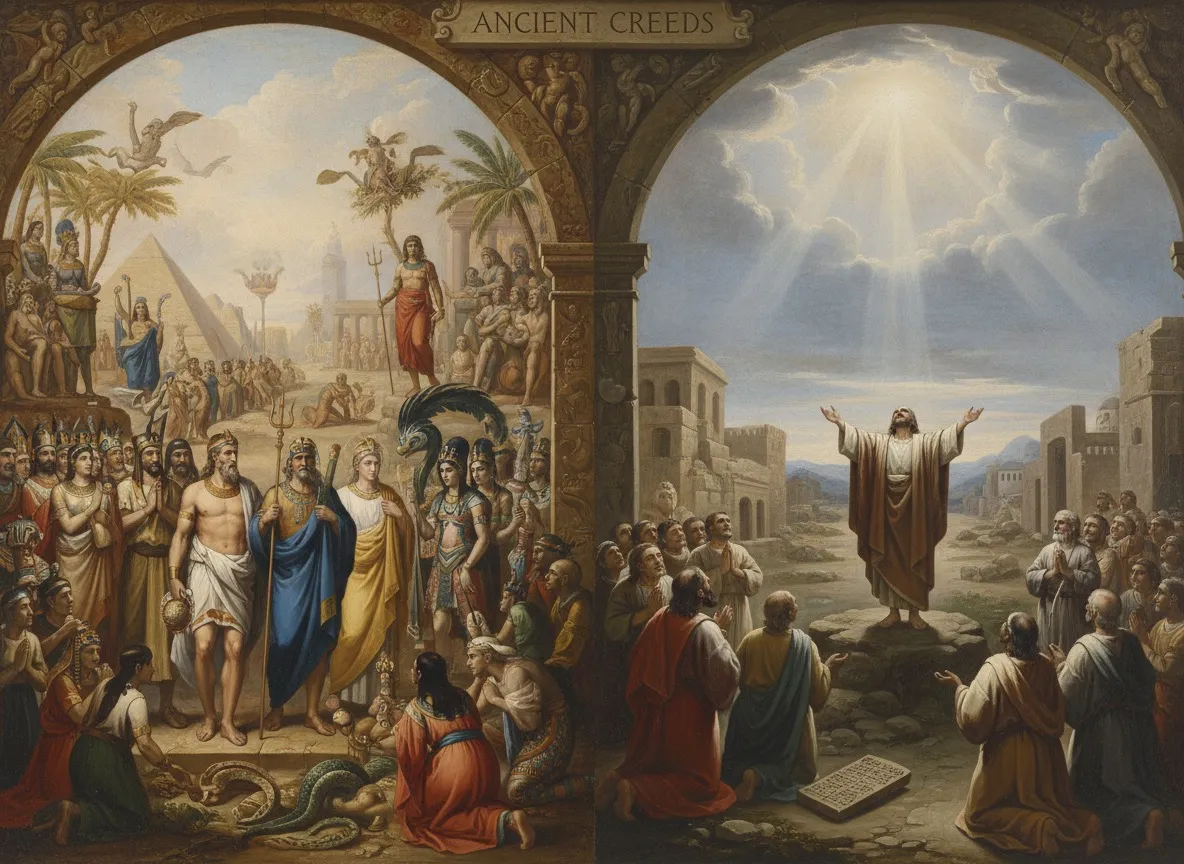
Polytheism and monotheism were two main types of religious beliefs in the ancient world. These belief systems shaped how ancient people understood nature, society, and their place in the universe. By studying the evidence left behind, historians can compare how different civilizations worshipped their gods and how these beliefs influenced daily life and culture.
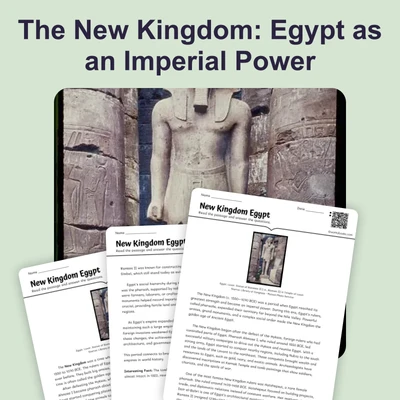
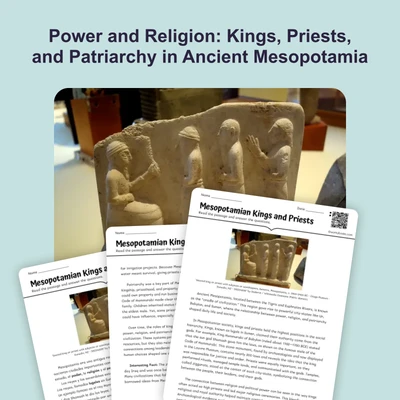
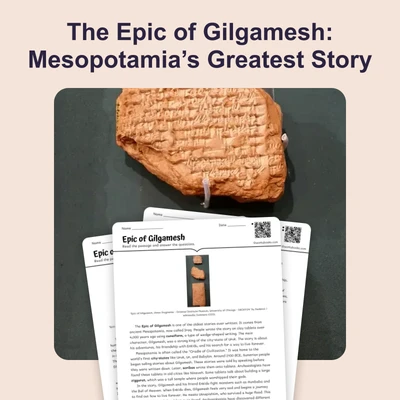
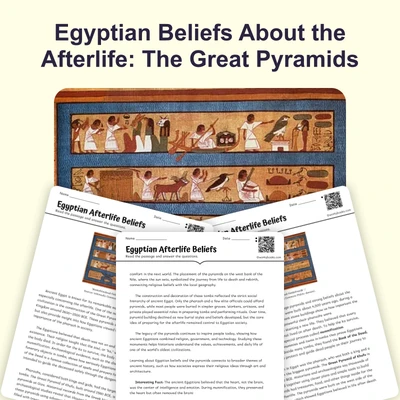
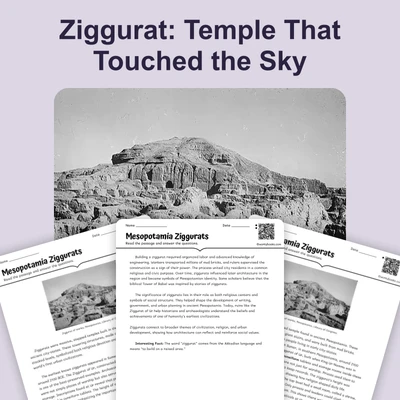
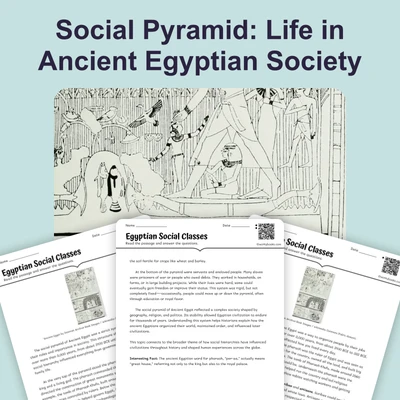
In many early civilizations, polytheism was common. This means people believed in and worshipped many gods, each with special powers and responsibilities. For example, in ancient Mesopotamia (around 3000 BCE), the Sumerians built ziggurats—huge temples—dedicated to gods like Anu (sky god) and Enlil (god of air). Archaeologists have found cuneiform tablets describing rituals and myths about these deities. In Egypt, the pharaohs were believed to be connected to gods such as Ra, Osiris, and Isis. Wall paintings in tombs show offerings to many gods, and the famous Book of the Dead describes the journey to the afterlife, guided by multiple divine beings. These examples show that religion was deeply linked to social hierarchy and government. The king or pharaoh often claimed a special relationship with the gods, which helped justify their power.
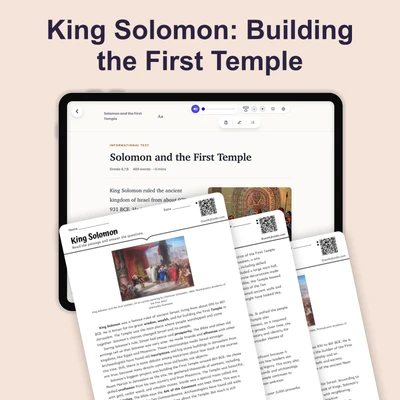
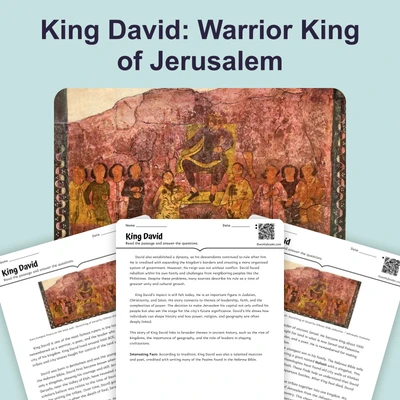
Monotheism, or belief in a single god, developed later and in fewer places. One of the earliest examples is found in ancient Israel. According to archaeological and textual evidence, such as the Hebrew Bible (Old Testament), the Israelites began to worship one god, Yahweh, around 1200 BCE. This idea was especially important during the Babylonian Exile (6th century BCE), when Jewish leaders emphasized the worship of only one god to maintain their identity. Unlike polytheistic societies, monotheistic religions often required followers to reject other gods. This created strong community bonds but sometimes led to conflict with neighboring cultures.
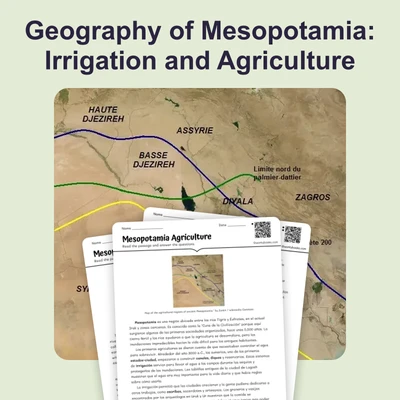
The shift from polytheism to monotheism was not sudden or complete. For example, the Egyptian pharaoh Akhenaten tried to promote the worship of one god, Aten, around 1350 BCE. However, after his death, Egypt quickly returned to its traditional gods. In Mesopotamia, while local gods were important, rulers sometimes claimed their main god was superior, but they did not reject other deities. Geography played a role as well: the unpredictable floods of Mesopotamia may have encouraged beliefs in many powerful gods, while the Israelites’ experience as a smaller group led them to unite around a single deity.
These ancient belief systems have had a lasting impact. Polytheistic religions influenced art, literature, and social order in many cultures, while monotheism laid foundations for modern religions like Judaism, Christianity, and Islam. By examining how people explained the mysteries of life through religion, historians gain insight into ancient societies’ values and priorities.
Transition: Understanding ancient religious beliefs helps us see how ideas about power, community, and the supernatural shaped civilizations throughout history.
Interesting Fact: The world’s oldest known temple complex, Göbekli Tepe in modern-day Turkey, was built around 9600 BCE, but archaeologists still debate which gods, if any, were worshipped there.
Comprehension quiz (8 questions)
1. Which civilization built ziggurats?
2. Who was the sky god in Mesopotamia?
3. When did Israelites begin worshipping Yahweh?
4. Why did Egyptian pharaohs claim ties to gods?
5. How did geography influence Mesopotamian religion?
6. What effect did monotheism have on Israelites?
7. Polytheism means belief in many gods.
8. What is a 'deity'?
Perfect for the way you teach
- Build comprehension skills
- Auto-graded quiz
- Differentiated reading
- Read together at home
- Improve fluency
- Quiet reading time
- Reading curriculum support
- Independent practice
- Track Lexile growth