This learning resource is available in interactive and printable formats. The interactive worksheet can be played online and assigned to students. The Printable PDF version can be downloaded and printed for completion by hand.
This engaging reading passage explores the social pyramid of Ancient Egyptian society, delving into how the roles and responsibilities of pharaohs, nobles, scribes, artisans, farmers, and slaves shaped daily life. Students will analyze how geography influenced social hierarchy, examine evidence from primary sources such as tomb paintings and archaeological finds, and connect these structures to broader world history themes. The passage integrates key academic vocabulary and challenges students to think critically about cause-and-effect relationships, change and continuity over time, and the significance of social class. Activities include a glossary, multiple-choice quiz, writing prompts, graphic organizers, and a timeline. Audio read-aloud and Spanish translation are provided. This resource aligns with CA HSS 6.2, CCSS RI.6-8.1, and other history and literacy standards.
The social pyramid of Ancient Egypt was a strict system that organized people by their roles and importance in society. This structure shaped daily life for millions over more than 3,000 years, from about 3100 BCE until 332 BCE. Ancient Egypt’s social hierarchy influenced everything from government and religion to jobs and family life.
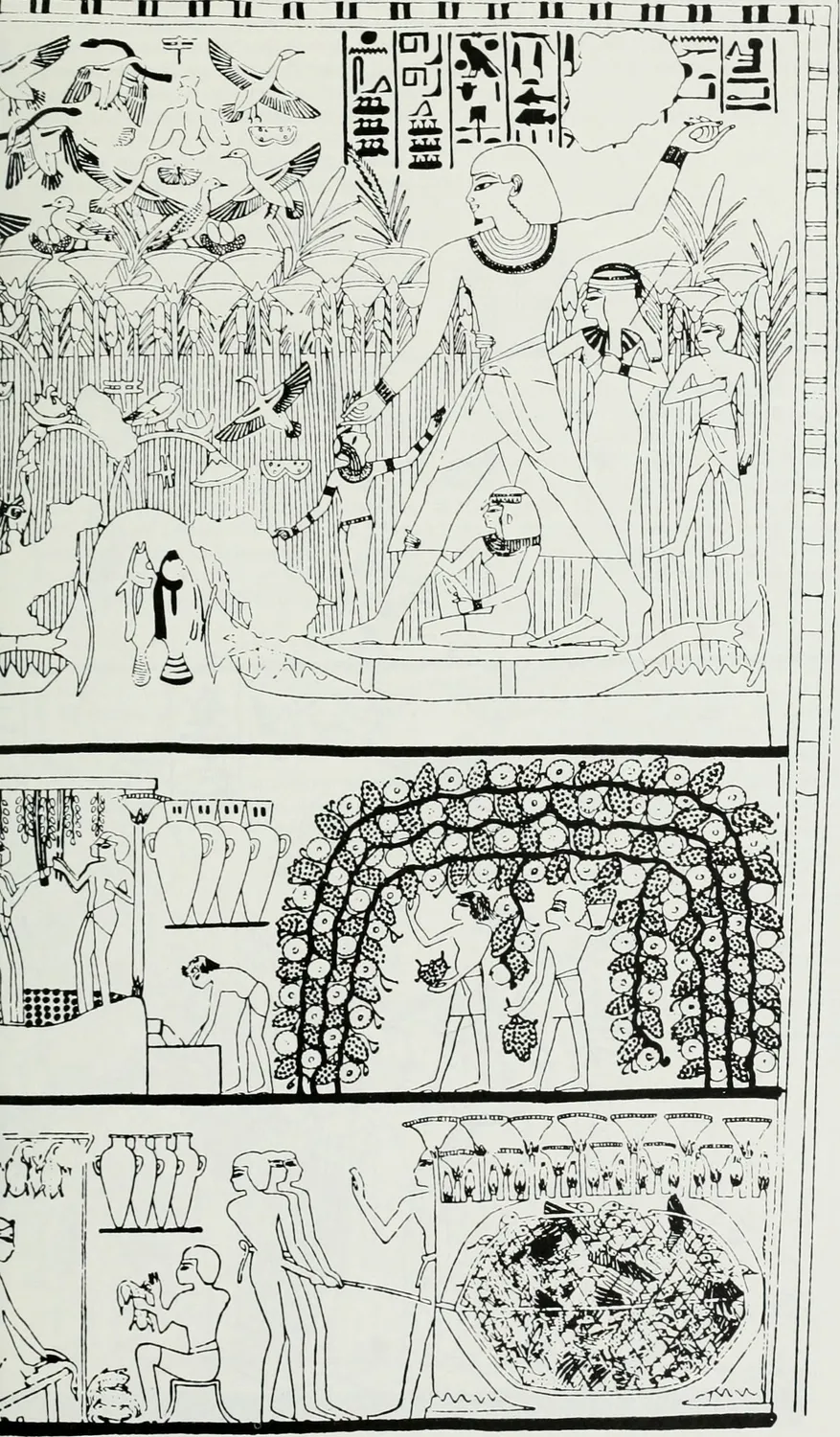
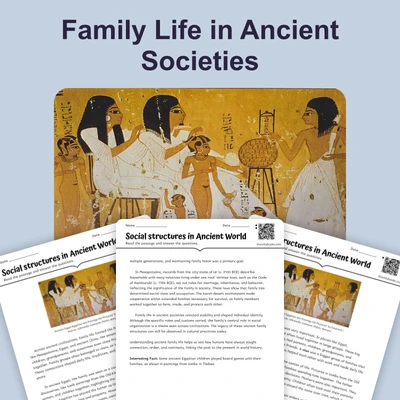
At the very top of the pyramid stood the pharaoh, who was considered both a king and a living god. The pharaoh commanded the army, owned all land, and directed the construction of great monuments such as the pyramids at Giza. For example, the tomb of Pharaoh Khufu, built around 2560 BCE, is evidence of the power and resources controlled by rulers. Below the pharaoh were the nobles and high priests. These officials helped govern Egypt, interpreted the will of the gods, and managed religious ceremonies. Archaeological finds, such as the tomb paintings in Thebes, show nobles overseeing workers and receiving offerings, highlighting their wealth and influence.
In the middle of the pyramid were skilled workers like scribes and artisans. Scribes were essential because they could read and write hieroglyphics, recording everything from laws to trade records. Artisans crafted jewelry, statues, and temple decorations. Both groups were highly respected but did not have political power. Most Egyptians, however, were farmers who worked the land along the Nile River. Their labor was vital for Egypt’s food supply, and the annual flooding of the Nile made the soil fertile for crops like wheat and barley.
At the bottom of the pyramid were servants and enslaved people. Many slaves were prisoners of war or people who owed debts. They worked in households, on farms, or in large building projects. While their lives were hard, some could eventually gain freedom or improve their status. This system was rigid, but not completely fixed—occasionally, people could move up or down the pyramid, often through education or royal favor.
The social pyramid of Ancient Egypt reflected a complex society shaped by geography, religion, and politics. Its stability allowed Egyptian civilization to endure for thousands of years. Understanding this system helps historians explain how the ancient Egyptians organized their world, maintained order, and influenced later civilizations.
This topic connects to the broader theme of how social hierarchies have influenced civilizations throughout history and shaped human experiences across the globe.
Interesting Fact: The ancient Egyptian word for pharaoh, “per-aa,” actually means “great house,” referring not only to the king but also to the royal palace.
Who was at the top of the social pyramid?
PharaohNobleScribeFarmer
What did scribes do?
Farmed the landBuilt pyramidsKept recordsLed the army
Who worked on farms along the Nile?
PharaohsFarmersPriestsArtisans
Why was the Nile important?
It flooded for fertile soilIt gave goldIt was a borderIt was a desert
What was a cause of social mobility?
EducationFarmingBuilding pyramidsWar
What did nobles do?
Governed EgyptFarmedBuilt jewelryFought in wars
Ancient Egypt's social pyramid never changed. True or false?
TrueFalse
What is a 'hieroglyphic'?
A farm toolA social classA type of buildingA written symbol
Perfect For:
👩🏫 Teachers
• Reading comprehension practice
• Auto-graded assessments
• Literacy skill development
👨👩👧👦 Parents
• Reading practice at home
• Comprehension improvement
• Educational reading time
🏠 Homeschoolers
• Reading curriculum support
• Independent reading practice
• Progress monitoring
Reading Features:
📖
Reading Passage
Engaging fiction or nonfiction text
❓
Comprehension Quiz
Auto-graded questions
📊
Instant Feedback
Immediate results and scoring
📄
Printable Version
Download for offline reading
🔊
Read Aloud
Voice-over with word highlighting
Reviews & Ratings
No reviews yet. Be the first to share your experience!
Related Content
Geography of Ancient Egypt
This passage explores the vital role of geography in the rise of Ancient Egypt, focusing on the importance of the Nile R...
The Decline of Ancient Egypt
This detailed passage examines the decline of Ancient Egypt, exploring the complex causes behind the fall of one of hist...
Daily Life in Ancient Egypt
Explore the fascinating world of daily life in Ancient Egypt with this comprehensive history reading passage. Students w...
Temples and Tombs in Ancient Egypt
This passage explores the significance of temples and tombs in Ancient Egypt, focusing on their religious, social, and c...
Egypt Kush Trade
This engaging history reading passage explores the complex trade networks that connected Ancient Egypt, Kush, and region...
6.2.3RH.6-8.1RH.6-8.4RH.6-8.7
New Kingdom Egypt
This engaging history reading passage explores the rise of Ancient Egypt during the New Kingdom, when Egypt became a pow...
CA HSS 6.2RH.6-8.2WHST.6-8.2
Evidence in Ancient History
This engaging history reading passage investigates how archaeologists and historians discover clues about how ancient pe...
Why Egypt Wanted Nubian Gold
This engaging passage explores the relationship between Ancient Egypt and the Kingdom of Kush (Nubia), focusing on why t...
How Pharaohs Governed Egypt
This history reading passage explores how Ancient Egypt was governed, highlighting the roles of the pharaoh, vizier, off...
Art and Architecture in Ancient Egypt
This passage explores the beauty and meaning behind Egyptian art and architecture, from the grand pyramids to detailed t...
King Narmer Unifies Egypt
This engaging history reading passage explores the unification of Ancient Egypt under King Narmer, focusing on the signi...
Ancient Egyptian Afterlife
This engaging history reading passage explores ancient Egyptian beliefs about the afterlife and the construction of the ...
CA HSS 6.2RH.6-8.1RH.6-8.4
Ancient Theocracy
This engaging history reading passage explores the concept of theocracy in ancient civilizations, where priests and reli...
Ancient Mathematics
This passage explores the essential role of mathematics in ancient civilizations, including Mesopotamia, Egypt, Greece, ...
Ancient Monarchy
This reading passage explores the concept of monarchy in ancient civilizations, focusing on the origins, structure, and ...
Women in Ancient Societies
This reading passage explores the complex roles of women in the ancient world, focusing on civilizations such as Mesopot...
Ancient Science and Medicine
This comprehensive reading passage explores the development of science and medicine in ancient civilizations, including ...
Kush Conquers Egypt
This reading passage explores the fascinating period when the Kingdom of Kush, located in Nubia south of Egypt, conquere...
Slavery in Ancient World
This passage explores the complex history of slavery in the ancient world, examining its presence in societies such as M...
Ancient Civilizations and the Environment
This engaging history reading passage explores how ancient civilizations such as Mesopotamia, Egypt, and the Maya adapte...