Mesopotamian Irrigation Systems
Interactive passage with audio narration, comprehension questions, and printable PDF.
By completing this purchase you agree to our Terms of Use and Privacy Policy. Your subscription renews automatically until you cancel. You can cancel anytime from your account settings. All sales are final and non-refundable. Digital content is available for download in your account immediately upon purchase.
What's included
Part of this bundle

Mesopotamian Irrigation Systems preview and details
About this printable Mesopotamian Irrigation Systems reading passage (Grades 5-8)
Sample passage and quiz from Mesopotamian Irrigation Systems
Reading passage and comprehension quiz preview
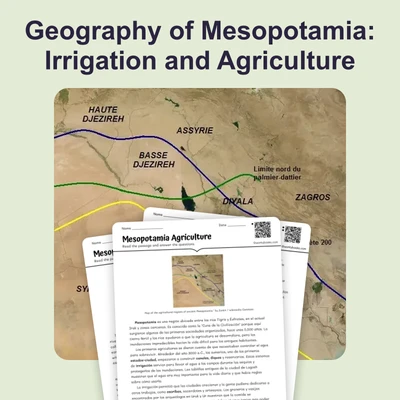
Mesopotamian Irrigation System
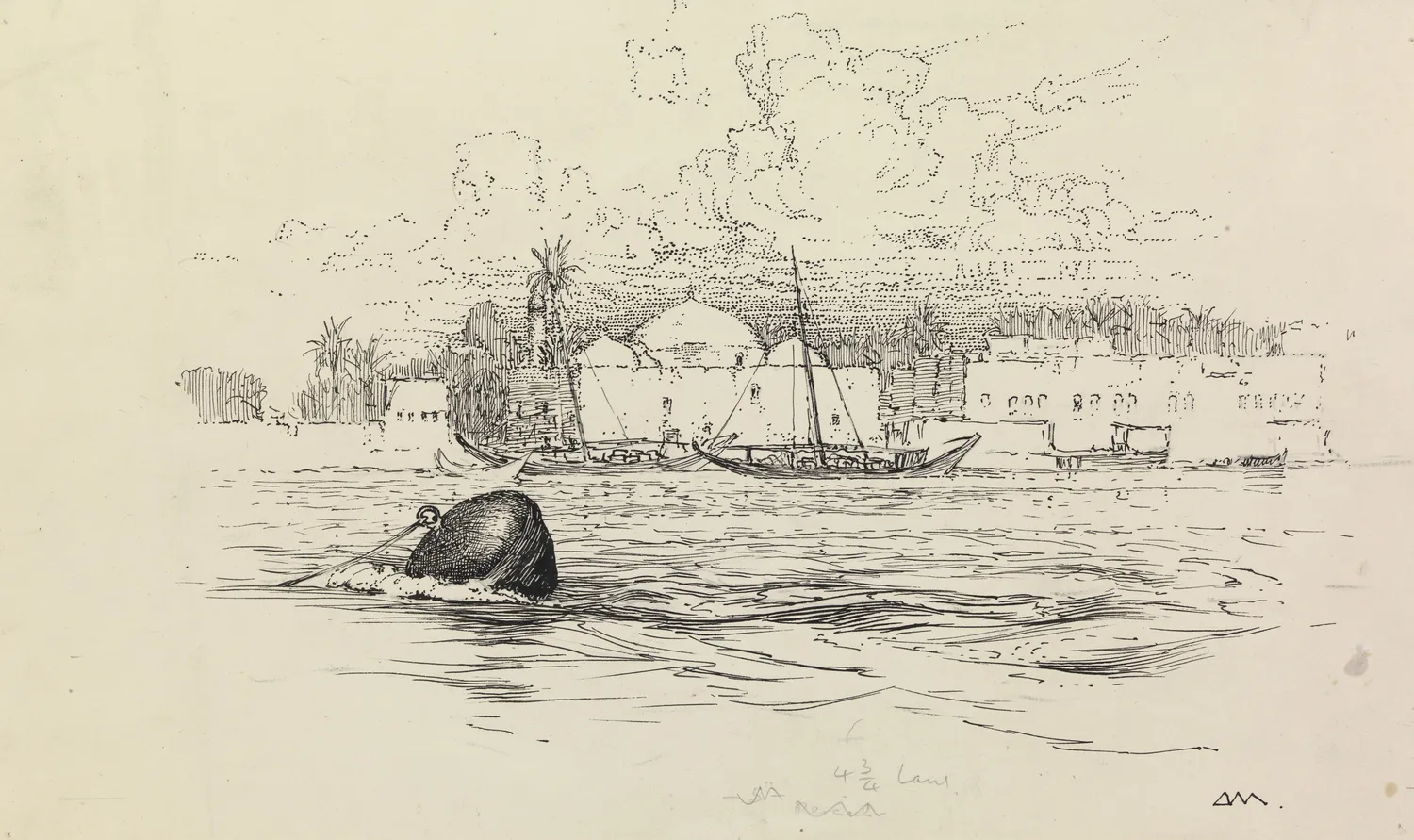
"The Tigris in Flood. Baghdad Art by Donald Maxwell / Wikimedia Commons
The region of Mesopotamia, located in the Fertile Crescent between the Tigris and Euphrates Rivers, was the birthplace of some of the world’s earliest civilizations. Yet, this area presented significant environmental challenges that shaped the lives of its people and the growth of its city-states. Understanding how the people of Mesopotamia faced these obstacles helps historians see the deep connections between geography and human history.
The unpredictable flooding of the Tigris and Euphrates Rivers created both opportunity and danger for Mesopotamians. Heavy spring rains and melting snow from distant mountains often caused the rivers to overflow. Sometimes, the floods brought rich silt that made the land extremely fertile for growing wheat and barley. However, at other times, the floods were devastating, destroying homes, washing away crops, and threatening the survival of entire communities. Archaeological records from sites like Uruk and Lagash show evidence of ancient flood layers, supporting the stories found in the Epic of Gilgamesh, a primary source that describes a great flood. Without natural barriers like mountains or forests, Mesopotamian settlements were also vulnerable to droughts, sudden storms, and attacks from neighboring groups.
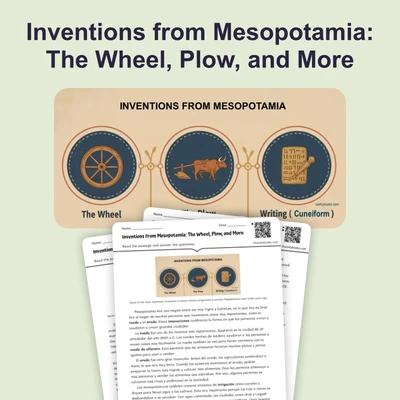
To manage these environmental difficulties, Mesopotamians developed advanced irrigation systems. They built canals, dikes, and reservoirs to direct river water to their fields and to control flooding. This required careful planning and cooperation among many people, leading to the rise of organized government and social hierarchies. Leaders, such as the Sumerian king Urukagina of Lagash (circa 2350 BCE), supervised the construction and maintenance of irrigation networks. Written records on clay tablets, another primary source, reveal that disputes over water rights were common and sometimes led to conflict between city-states. As a result, laws and agreements were established to share resources fairly.
The need to solve environmental problems also led to important technological and social innovations. Mesopotamians invented the plow to help with farming and used mathematics to measure fields and plan construction. Over time, these solutions contributed to the growth of large urban centers like Babylon and Nippur. However, over-irrigation sometimes caused problems like soil salinization, which reduced the land’s fertility and forced people to adapt by growing different crops or moving to new areas. Despite these setbacks, the continuous effort to control their environment shaped Mesopotamian society for centuries.
Mesopotamia’s environmental challenges were a major force in the development of complex societies. The ways in which its people responded—with cooperation, innovation, and adaptation—set a pattern for civilizations that followed. Studying Mesopotamia’s geography and environmental history helps historians understand the close relationship between natural conditions and human achievement.
This story links to broader themes in ancient history, such as the role of geography in the rise of civilizations and the human capacity to respond to challenges through invention and cooperation.
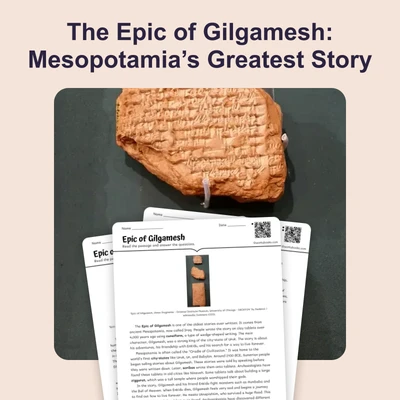
Interesting Fact: The Epic of Gilgamesh, one of the world’s oldest stories, includes a flood narrative that may have been inspired by real floods in Mesopotamia.
Comprehension quiz (8 questions)
1. Which two rivers shaped Mesopotamia?
2. What did flooding sometimes bring?
3. Who was Urukagina?
4. Why did Mesopotamians build irrigation systems?
5. What problem did over-irrigation cause?
6. How did environmental challenges affect society?
7. The Epic of Gilgamesh includes a flood story.
8. What does 'hierarchy' mean?
Perfect for the way you teach
- Build comprehension skills
- Auto-graded quiz
- Differentiated reading
- Read together at home
- Improve fluency
- Quiet reading time
- Reading curriculum support
- Independent practice
- Track Lexile growth