Dogs and Their Super Smelling Power — Reading Comprehension
Rate this
Premium Resource
Present
Present in classroom. No work saved
Assign
Classroom with student accounts, Track progress
Quick Play
No student accounts, assign with a link
Grades
3
4
5
6
PRINT+DIGITAL RESOURCE
This learning resource is available in interactive and printable formats. The interactive worksheet can be played online and assigned to students. The Printable PDF version can be downloaded and printed for completion by hand.
This engaging science passage, aligned with NGSS standards for Grades 4-5, explores the fascinating topic of dogs and their incredible sense of smell. Students will learn about the science behind a dog's nose, how it works, and why it is much stronger than a human's sense of smell. The passage explains important vocabulary words, scientific concepts, and real-world applications, such as how dogs help humans in search and rescue missions and finding lost items. A glossary of terms and a Spanish translation of the passage are included for language support. The resource features multiple-choice questions, vocabulary review, and writing activities that encourage critical thinking and connections to everyday life. The passage also supports audio integration for diverse learners. Ideal for classroom use, homework, or independent study, this resource helps students build reading comprehension, science knowledge, and vocabulary in a fun and accessible way.
CONTENT PREVIEW
Expand content preview
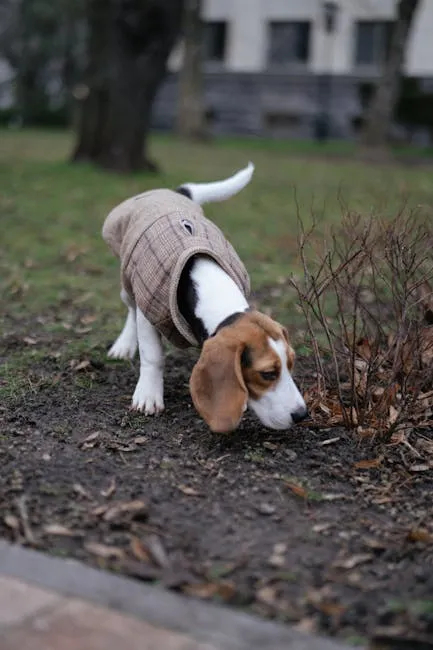
Dogs have one of the best senses of smell in the animal world. Image by Albina White / Pexels.
Dogs have one of the best senses of smell in the animal world. A sense of smell is called olfaction. Dogs use their noses to explore the world, find food, and even help humans in many important ways.
Dogs' noses work differently than human noses. Inside a dog's nose, there are over 200 million scent receptors. These are special cells that detect smells. Humans only have about 5 million scent receptors. Because of this, dogs can smell things that people never notice. Their brains also have a large olfactory bulb, a part that helps them understand smells.
When a dog sniffs, air enters its nose and passes over a wet surface called the mucous membrane. This surface helps trap and identify tiny odor molecules. The scent information travels to the dog's brain, which quickly figures out what the smell is and where it comes from. Dogs can even smell separate odors at the same time!
This super smelling power is very helpful. For example, police and rescue teams use trained dogs to find missing people. Some dogs can detect diseases, like cancer or diabetes, by smelling chemicals in a person's body. Dogs also help humans hunt, find lost pets, and sniff out dangerous items like explosives.
People train dogs to use their noses by playing games, such as hiding treats or toys for them to find. This uses the dog's natural abilities and keeps their brains busy. Scientists study dog noses to learn more about how smells work, which helps create better tools and technology for humans.
Interesting Fact: Bloodhounds have the best sense of smell of all dog breeds. They can follow a scent trail that is over 300 hours old!
What is olfaction?
The sense of smellThe sense of tasteThe sense of sightThe sense of hearing
How many scent receptors do dogs have?
Over 200 millionAbout 5 million1,000Over 1 billion
What helps trap odor molecules in the nose?
Mucous membraneBloodBonesTeeth
Why can dogs smell better than humans?
More scent receptorsBigger eyesLonger tailsSharper teeth
How do people train dogs to use their noses?
By playing scent gamesBy running fastBy teaching tricksBy giving baths
Dogs can smell separate odors at the same time.
TrueFalse
Which word means 'tiny particles that carry smells'?
Odor moleculesExplosivesBloodhoundChemicals
What can some dogs detect in people?
DiseasesColorMusicRain
Perfect For:
👩🏫 Teachers
• Reading comprehension practice
• Auto-graded assessments
• Literacy skill development
👨👩👧👦 Parents
• Reading practice at home
• Comprehension improvement
• Educational reading time
🏠 Homeschoolers
• Reading curriculum support
• Independent reading practice
• Progress monitoring
Reading Features:
📖
Reading Passage
Engaging fiction or nonfiction text
❓
Comprehension Quiz
Auto-graded questions
📊
Instant Feedback
Immediate results and scoring
📄
Printable Version
Download for offline reading
🔊
Read Aloud
Voice-over with word highlighting
Reviews & Ratings
No reviews yet. Be the first to share your experience!
Related Content
The Nature of Life Science
This passage, aligned with NGSS MS-LS1-1, introduces students in grades 6-8 to the foundational concepts of life science...
MS-LS1-1
Aerobic Organisms
This engaging, audio-integrated reading passage, titled 'Aerobic Organisms: The Breath of Life,' introduces students to ...
From Cells to Organisms
This educational passage, "From Cells to Organisms," explores the fundamental concept of how living things are built, st...
Using Dichotomous Keys to Identify Organisms
This audio-integrated passage, 'Using Dichotomous Keys to Identify Organisms,' introduces 6th-grade students to a fundam...
Science Vocabulary
This worksheet on domain-specific words will help students learn some science vocabulary. Students will be asked to matc...
L.3.6L.3.4.A
The Aorta: Molecules to Organisms of the Body's Largest Artery
This educational content features a fascinating reading passage, audio integrated for an enhanced learning experience, a...
Simple Machines Science Report
This science writing task requires students to clearly explain how three simple machines work using precise domain-speci...
W.5.4
Tools and Technology for Life Scientists
This informational passage for grades 6-8 explores the essential tools and technology used by life scientists, aligned t...
MS-LS1-1MS-LS1.A
Cryptobiosis: Pausing Life to Survive
This engaging, audio-integrated reading passage explores the amazing biological process of cryptobiosis, where organisms...
From Senses to Actions
This Grade 4-5 science passage, 'From Senses to Actions,' explores how our senses work together with the brain and body ...
The Science of Hibernation
This educational module, featuring an audio-integrated reading passage titled 'The Science of Hibernation,' is designed ...
The Life Cycle of a Giant Panda
This engaging, audio-integrated reading passage, titled "The Life Cycle of a Giant Panda," explores the fascinating stag...
How Bats Use Sound to See
This Grade 4-5 science passage, 'How Bats Use Sound to See,' explores the fascinating process of echolocation in bats. S...
Citizen Science and Ecological Monitoring
This engaging passage for grades 6-8 introduces the concept of citizen science and its critical role in ecological monit...
MS-LS2-1
The Pumpkin Life Cycle
This informational worksheet explores the pumpkin lifecycle, guiding students through procedural steps in a scientific t...
RI.2.3RI.2.10
Life Cycle Stages
This comprehensive word sort activity helps Grade 3 students understand the universal stages of life cycles as outlined ...
What Is Earth Science?
This engaging middle school science passage introduces students to the field of Earth science, aligning with NGSS standa...
MS-ESS1MS-ESS2MS-ESS3SEP
Growth and Development of Organisms
This middle school science passage, aligned with NGSS standards MS-LS1-4 and MS-LS1-5, provides an in-depth look at the ...
MS-LS1-4MS-LS1-5
Life Makers
This engaging word sort activity helps elementary students understand the diverse methods of reproduction in living orga...
Barnacles and Biofouling
This engaging, audio-integrated reading passage, 'Barnacles and Biofouling,' delves into the fascinating world of how ti...