Eagles Have Super Sharp Vision
Interactive passage with audio narration, comprehension questions, and printable PDF.
By completing this purchase you agree to our Terms of Use and Privacy Policy. Your subscription renews automatically until you cancel. You can cancel anytime from your account settings. All sales are final and non-refundable. Digital content is available for download in your account immediately upon purchase.
What's included
Eagles Have Super Sharp Vision preview and details
About this printable Eagles Have Super Sharp Vision science reading passage, NGSS-aligned (Grades 3-6)
Sample passage and quiz from Eagles Have Super Sharp Vision
Reading passage and comprehension quiz preview
Eagles and Their Super Sharp Vision
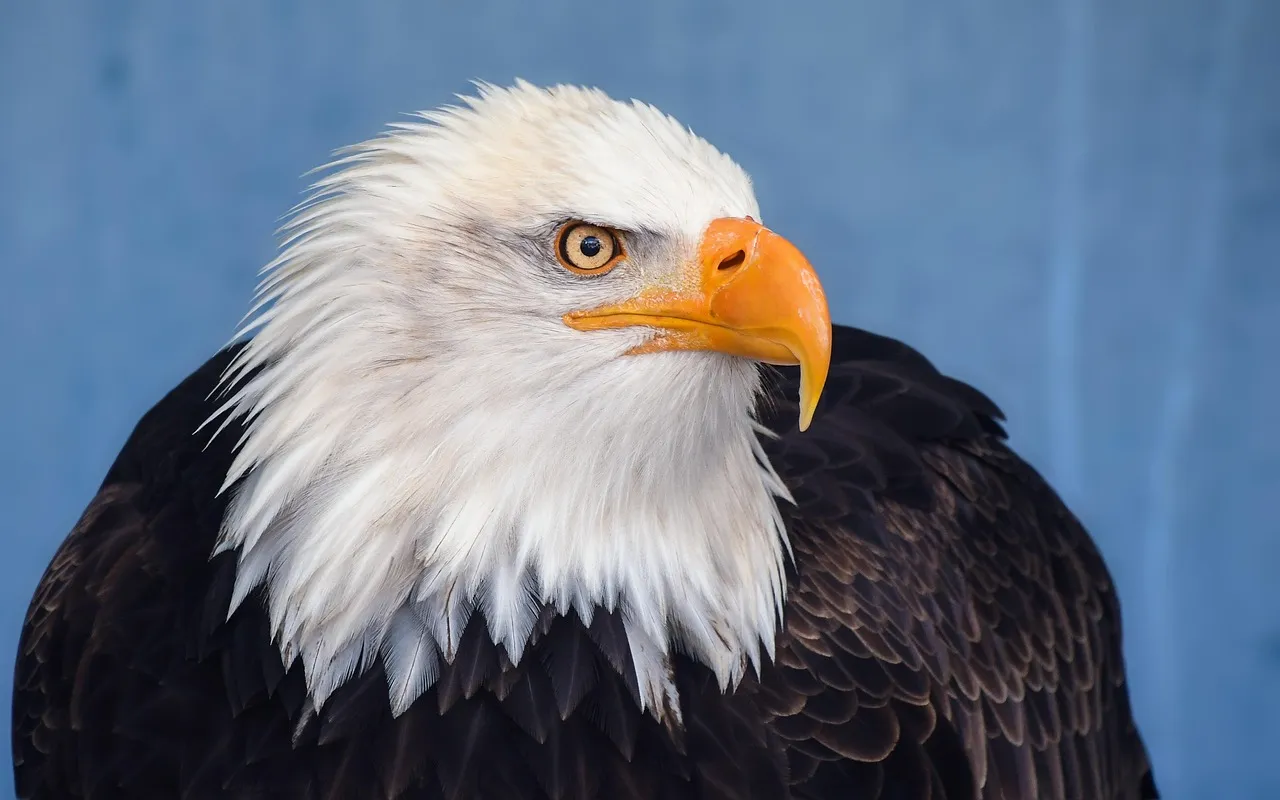
Source: Pixabay.
Eagles are large birds of prey that live in many parts of the world. They are known for their powerful wings, sharp claws, and especially their amazing eyesight. An eagle’s vision is much stronger than that of a human.
An eagle’s eyes are very special. Each eye has a retina, which is a layer in the back of the eye that senses light and color. The retina in an eagle's eye has many more photoreceptor cells than a human’s eye. These cells help eagles see tiny details from very far away.
Another important part of an eagle’s vision is binocular vision. This means both eyes can focus on the same object at once. It helps the eagle judge distance very accurately. This skill is important for hunting, because eagles need to see and catch moving animals like rabbits or fish.
Eagles can see about four to five times farther than humans. They can spot a small animal from as high as a mile away! Their eyes have a special shape that lets in more light, giving them a clearer view even when it’s cloudy or dim.
The sharp vision of eagles is a great example of an adaptation. An adaptation is a body part or behavior that helps an animal survive. For eagles, super sharp vision helps them find food, avoid danger, and care for their chicks.
Eagles are not the only birds with great eyesight. Other birds of prey, like hawks and falcons, also have excellent vision. Scientists study these birds to learn more about how eyes work and to help design better cameras and technology for humans.
Interesting Fact: Some eagles can see ultraviolet light, which helps them find prey that humans can’t even see!
Comprehension quiz (8 questions)
1. What do eagles use to see far?
2. What is the retina's job?
3. How far can eagles see compared to humans?
4. Why is binocular vision helpful?
5. What might happen if eagles had weak eyesight?
6. Which technology is inspired by eagles?
7. Eagles are birds of prey. True or false?
8. What does adaptation mean?
Perfect for the way you teach
- Build comprehension skills
- Auto-graded quiz
- Differentiated reading
- Read together at home
- Improve fluency
- Quiet reading time
- Reading curriculum support
- Independent practice
- Track Lexile growth