This 400-500 word informational science passage explores how electric vehicles help address climate change by reducing transportation emissions. Aligned with NGSS standards for grades 6-8, students learn that EVs run on electricity stored in batteries instead of burning fossil fuels, producing zero tailpipe emissions. The passage explains the important connection between EVs and the electric grid, showing how renewable energy sources make EVs even cleaner. Students discover that while battery production has environmental costs, EVs still provide significant benefits over their lifetime. The reading includes real-world examples, key vocabulary terms, and connects transportation as a major source of emissions to potential solutions. Audio-integrated features support diverse learners. Activities include comprehension questions, writing prompts, and graphic organizers that help students analyze cause-and-effect relationships and compare different transportation options.
Written by Workybooks TeamPublished by Workybooks
Preview
Sample passage and quiz content
CONTENT PREVIEW
Expand content preview
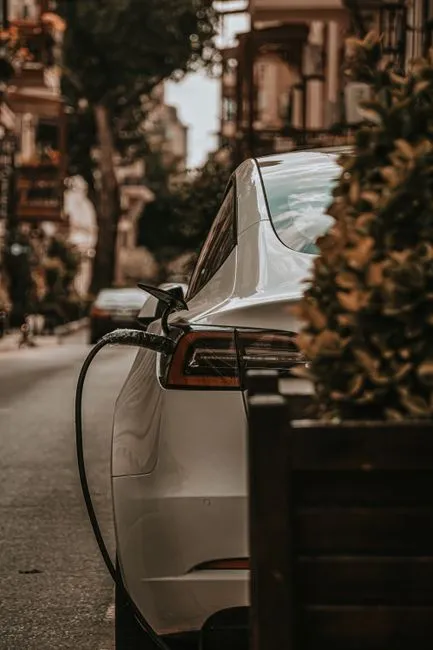
"White electric car charging on an urban city street, emphasizing eco-friendly transportation." by Elmir Jafarov / Pexels.
Transportation produces about one-fourth of all greenhouse gas emissions in the United States. Cars and trucks that burn gasoline or diesel fuel release carbon dioxide into the atmosphere. Scientists explain that electric vehicles offer a cleaner alternative because they run on electricity stored in batteries. Unlike traditional vehicles, EVs produce zero exhaust from a tailpipe while driving.
The environmental benefit of an electric vehicle depends on where its electricity comes from. An EV charged with electricity from a coal power plant still produces emissions, just at the power plant instead of the tailpipe. Evidence shows that an EV powered by coal-generated electricity produces fewer emissions than a gasoline car, but the benefit is limited. However, when an EV charges using electricity from renewable energy sources like wind or solar power, it becomes very clean. This connection explains why electric vehicles and clean energy systems work together to reduce climate impact.
Manufacturing EV batteries does have environmental costs. Mining materials like lithium and cobalt requires energy and can damage ecosystems. Battery production creates emissions and uses significant resources. Scientists have studied the full lifecycle of electric vehicles compared to gasoline vehicles. Their research shows that even when battery production is included, EVs produce fewer total emissions over their lifetime. As the electric grid becomes cleaner with more renewable energy, the advantage of EVs grows larger.
Norway provides a real-world example of this technology in action. About 80 percent of new cars sold in Norway in 2022 were electric vehicles. The country generates most of its electricity from hydroelectric power, a clean renewable energy source. This combination of EVs and clean electricity has helped Norway significantly reduce transportation emissions. The success demonstrates how electric vehicles can make a major difference when paired with clean energy sources.
Electric vehicles represent an important tool for addressing climate change. Transportation remains one of the largest sources of greenhouse gas emissions worldwide. As battery technology improves and becomes less expensive, more people can choose electric vehicles. When countries also invest in renewable energy to power their electric grids, the climate benefits multiply. The shift to electric transportation, combined with cleaner electricity generation, can help reduce the emissions that drive climate change.
Interesting Fact: The first electric cars were actually invented in the 1830s, decades before gasoline-powered cars became popular. Early EVs were quiet and easy to start, but limited battery technology caused gasoline cars to dominate for over a century.
What percentage of greenhouse gas emissions in the United States comes from transportation?
About one-tenthAbout one-fourthAbout one-halfAbout three-fourths
Why do electric vehicles produce zero exhaust from their tailpipes?
They use special filters to clean the exhaustThey burn fuel more efficiently than regular carsThey run on electricity stored in batteries instead of burning fuelThey convert exhaust into water vapor
What does the term 'lifecycle' mean when studying electric vehicles?
How long the battery lasts before replacementThe complete lifespan from manufacturing through use to disposalThe time it takes to charge the batteryThe distance an EV can travel on one charge
According to the passage, what is 'renewable energy'?
Energy that can be used only onceEnergy stored in batteriesEnergy from sources that naturally replenish, like wind and solarEnergy produced by burning coal
How does the source of electricity affect an electric vehicle's environmental impact?
The electricity source does not affect the EV's environmental impactEVs charged with coal power are cleaner than those charged with solar powerEVs charged with renewable energy are much cleaner than those charged with coal powerAll electricity sources produce the same amount of emissions
What environmental concern is associated with manufacturing EV batteries?
Batteries require no natural resources to produceMining materials like lithium and cobalt uses energy and can damage ecosystemsBattery production creates no emissionsBatteries are made entirely from recycled materials
What real-world example does the passage provide to show EVs in action?
China's solar panel productionCalifornia's wind farmsNorway's high rate of EV adoption and use of hydroelectric powerGermany's coal power plants
According to research mentioned in the passage, how do EVs compare to gasoline vehicles over their lifetime?
EVs produce more total emissions than gasoline vehiclesEVs produce the same emissions as gasoline vehiclesEVs produce fewer total emissions even when battery production is includedThe research is inconclusive
True or False: Electric vehicles were first invented in the 1830s, before gasoline-powered cars became popular.
TrueFalse
True or False: An electric vehicle charged with electricity from a coal power plant produces exactly the same amount of emissions as a gasoline-powered car.
TrueFalse
Who it's for
Perfect for the way you teach
Teachers
Build comprehension skills
Auto-graded quiz
Differentiated reading
Parents
Read together at home
Improve fluency
Quiet reading time
Homeschoolers
Reading curriculum support
Independent practice
Track Lexile growth
Topics
electric vehiclesclimate changegreenhouse gas emissionsrenewable energybattery technologytransportation emissionsclean energyNGSS
Reviews & Ratings
No reviews yet. Be the first to share your experience!
More reading you might love
20 more
What Is Earth Science?
This engaging middle school science passage introduces students to the field of Earth science, aligning with NGSS standa...
MS-ESS1MS-ESS2MS-ESS3SEP
Bird Migration and Climate Change
This engaging 400-500 word science passage explores how climate change affects bird migration patterns and populations, ...
MS-LS2-4: CONSTRUCT AN ARGUMENT SUPPORTED BY EMPIRICAL EVIDENCE THAT CHANGES TO PHYSICAL OR BIOLOGICAL COMPONENTS OF AN ECOSYSTEM AFFECT POPULATIONS.
Transportation and Climate Change
This engaging science passage for grades 6-8 explores the vital role that transportation plays in climate change. Studen...
Deforestation and Climate Change
This engaging science passage, aligned with NGSS standards, explains how deforestation contributes to climate change for...
Droughts and Climate Change
This 500-word informational science passage for grades 6-8 examines the relationship between droughts and climate change...
Wildfires and Climate Change
This comprehensive 400-500 word reading passage examines the connection between wildfires and climate change for middle ...
Tools and Technology in Earth Science
This middle school science reading passage explores the wide range of tools and technologies used in Earth science, from...
MS-ESS2-2MS-ESS3-2MS-ETS1-1MS-PS4-3
Habitat Loss and Climate Change
This engaging 500-word science passage explores how climate change drives habitat loss and threatens wildlife population...
MS-LS2-4: CONSTRUCT AN ARGUMENT SUPPORTED BY EMPIRICAL EVIDENCE THAT CHANGES TO PHYSICAL OR BIOLOGICAL COMPONENTS OF AN ECOSYSTEM AFFECT POPULATIONS.
Climate Change: Solutions and Mitigation
This passage explores scientific solutions and mitigation strategies for climate change, designed for middle school scie...
MS-ESS3-4MS-ESS3-5
Amazon Rainforest and Climate Change
This 400-500 word informational science passage for grades 6-8 explores the Amazon Rainforest and Climate Change, aligne...
Extreme Weather and Climate Change
This Grade 6-8 science passage, aligned to NGSS standards, explores the impact of climate change on extreme weather even...
Climate Change and Food Security
This comprehensive 400-500 word reading passage examines the critical relationship between climate change and food secur...
Climate Change: Causes
This comprehensive middle school science passage explores the causes of climate change by examining both natural and hum...
MS-ESS3-5MS-LS2-4
Effects of Climate Change
This comprehensive middle school science passage explores the effects of climate change on Earth's systems and life, ali...
MS-ESS3-5MS-LS4-4
Arctic Fox and Climate Change
This 400-500 word informational science passage examines how climate change threatens Arctic fox populations through mul...
Flooding and Climate Change
This comprehensive 500-word reading passage examines the relationship between flooding and climate change for middle sch...
Climate Change: Vulnerable Ecosystems
This middle school science passage, aligned with NGSS standards MS-ESS3-5 and MS-LS2-4, helps students understand how cl...
MS-ESS3-5MS-LS2-4
Climate Through Earth's History
This engaging passage for grades 6-8 explores how Earth's climate has naturally changed over millions of years, highligh...
MS-ESS1-4MS-ESS2-6
Climate Change and Water Scarcity
This 400-500 word informational science reading passage for grades 6-8 examines how climate change threatens freshwater ...
MS-ESS3-5
Public Transportation and Climate Change
This 400-500 word reading passage examines the relationship between public transportation and climate change for middle ...