Extreme Weather and Climate Change
Interactive passage with audio narration, comprehension questions, and printable PDF.
By completing this purchase you agree to our Terms of Use and Privacy Policy. Your subscription renews automatically until you cancel. You can cancel anytime from your account settings. All sales are final and non-refundable. Digital content is available for download in your account immediately upon purchase.
What's included
Extreme Weather and Climate Change preview and details
About this printable Extreme Weather and Climate Change science reading passage, NGSS-aligned (Grades 6-8)
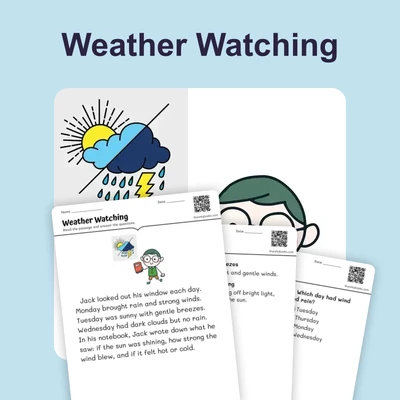
Sample passage and quiz from Extreme Weather and Climate Change
Reading passage and comprehension quiz preview
Extreme Weather and Climate Change
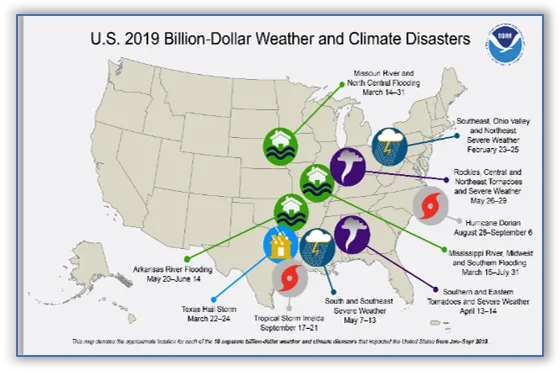
Source: Wikimedia Commons - Wcalvin
Climate change refers to long-term changes in the Earth's average weather patterns. One main cause of climate change is the increase in greenhouse gases like carbon dioxide in the atmosphere. These gases trap heat from the sun, causing the planet to get warmer. This process is called global warming.
As global temperatures rise, the Earth's climate becomes less stable. This leads to more extreme weather events. Extreme weather means severe or unusual weather, such as strong hurricanes, heavy rainstorms, long droughts, and heatwaves. These events can damage homes, destroy crops, and even put people's lives at risk.
For example, warmer ocean water gives more energy to storms, making hurricanes stronger and wetter. In 2017, Hurricane Harvey brought record-breaking rainfall to Texas and caused massive flooding. Heatwaves, which are long periods of very hot weather, are also becoming more common. In recent years, places like Europe and Australia have experienced record-high temperatures, which led to wildfires and health problems for thousands of people.
Droughts happen when an area gets much less rain than usual for a long time. As temperatures rise, water evaporates faster, making droughts worse. This hurts farming and can lead to food shortages. On the other hand, more water in the air from evaporation can cause heavier rainstorms and floods in other areas.
Scientists use data from satellites, weather stations, and computer models to study how climate change affects weather patterns. They have found that extreme weather events are happening more often and are more severe than in the past. This evidence helps scientists predict future weather and advise communities on how to prepare.
People can help slow down climate change by using less energy, driving less, recycling, and planting trees. These actions reduce greenhouse gas emissions and protect our planet for future generations.
Interesting Fact: The number of weather-related disasters worldwide has more than doubled since the 1980s, mostly due to climate change!
Comprehension quiz (8 questions)
1. What causes global warming?
2. Which is an example of extreme weather?
3. What do scientists use to study weather?
4. Why are hurricanes stronger now?
5. What happens with more evaporation?
6. How can people help slow climate change?
7. Extreme weather is always safe. True or false?
8. What does 'drought' mean?
Perfect for the way you teach
- Build comprehension skills
- Auto-graded quiz
- Differentiated reading
- Read together at home
- Improve fluency
- Quiet reading time
- Reading curriculum support
- Independent practice
- Track Lexile growth