How Maize Transformed Life in the Americas — Reading Comprehension
Rate this
Premium Resource
Present
Present in classroom. No work saved
Assign
Classroom with student accounts, Track progress
Quick Play
No student accounts, assign with a link
Grades
5
6
7
8
PRINT+DIGITAL RESOURCE
This learning resource is available in interactive and printable formats. The interactive worksheet can be played online and assigned to students. The Printable PDF version can be downloaded and printed for completion by hand.
This passage explores the dramatic impact of maize (corn) on ancient civilizations throughout the Americas. Students will learn how the domestication and spread of maize led to the rise of complex societies such as the Olmec, Maya, and Aztec. Using archaeological and primary evidence, the text examines the agricultural, social, and economic effects of maize, highlighting cause-and-effect relationships and the importance of geographic context. Activities provide opportunities to analyze evidence, build timelines, and practice critical writing skills. The passage is aligned to CA HSS 6.7 and CCSS RH.6-8.2, and includes a Spanish translation and read aloud audio to support diverse learners. Key vocabulary is integrated and explained, and graphic organizers help students visualize the causes, effects, and significance of maize in ancient American history.
CONTENT PREVIEW
Expand content preview
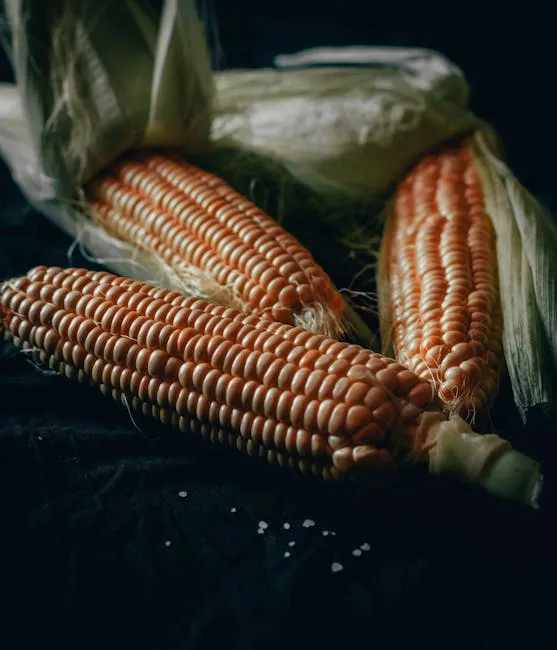
Ripe corn cobs by Marta Dzedyshko / Pexels.
Maize, known today as corn, became one of the most important crops in the history of the Americas. Its domestication and spread shaped the development of ancient American civilizations, such as the Olmec, Maya, and Aztec. The process of transforming wild grasses into a reliable food source began over 9,000 years ago in what is now southern Mexico.
The earliest archaeological evidence of maize comes from the site of Guilá Naquitz in Oaxaca, Mexico, dating back to around 6700 BCE. Early farmers noticed that some wild grasses, called teosinte, produced larger seeds. By carefully selecting seeds from these plants, people gradually cultivated maize that was easier to harvest and provided more food. This process, known as domestication, allowed communities to produce food in greater quantities. As maize farming spread north and south, it appeared in places like the southwestern United States by 2100 BCE and in Peru by 3000 BCE.
The rise of maize agriculture led to major changes in society. Communities could store surplus food, which supported growing populations and the development of urban centers. The Olmec civilization, often called the "mother culture" of Mesoamerica, built large ceremonial centers like San Lorenzo (c. 1200 BCE), where maize was a main food. Later, the Maya relied on maize to support their city-states, such as Tikal and Copán. The Aztec, in central Mexico, even created floating gardens called chinampas to grow maize on lakes, demonstrating complex engineering skills. Maize also played a central role in religion and mythology. Maya texts, like the Popol Vuh, describe humans as being made from maize.
The impact of maize went beyond food. Surplus harvests led to specialization of labor, as not everyone needed to farm. Some people became artisans, traders, or priests, leading to social hierarchy and more complex societies. Maize allowed for trade networks, as evidence from pottery and tools shows the movement of goods between regions. Over time, maize agriculture continued to shape the environment, as farmers adapted to different ecosystems across the Americas.
In conclusion, maize was more than just a crop; it was a foundation for civilization in the ancient Americas. Its domestication enabled the growth of powerful societies, influenced religious beliefs, and transformed daily life. The story of maize connects to broader themes of human adaptation, technological innovation, and the relationship between geography and culture.
Interesting Fact: Scientists have found ancient maize pollen in caves in Mexico, helping us trace how farming practices spread thousands of years ago.
Where did maize first develop?
Southern MexicoEgyptChinaIndia
What crop is also called maize?
CornWheatRiceBarley
Who built chinampas to grow maize?
AztecIncaOlmecMaya
How did maize affect population?
Helped it growMade it smallerNo changeCaused migration
Why was specialization important?
Created new jobsStopped tradeReduced farmingEnded cities
What does 'domestication' mean?
Changing wild plants for useBuilding large citiesTrading with neighborsMaking pottery
Maize helped create social hierarchy. True or False?
TrueFalse
What is an ecosystem?
A living community and environmentA farming toolA type of cityA religious leader
Perfect For:
👩🏫 Teachers
• Reading comprehension practice
• Auto-graded assessments
• Literacy skill development
👨👩👧👦 Parents
• Reading practice at home
• Comprehension improvement
• Educational reading time
🏠 Homeschoolers
• Reading curriculum support
• Independent reading practice
• Progress monitoring
Reading Features:
📖
Reading Passage
Engaging fiction or nonfiction text
❓
Comprehension Quiz
Auto-graded questions
📊
Instant Feedback
Immediate results and scoring
📄
Printable Version
Download for offline reading
🔊
Read Aloud
Voice-over with word highlighting
Reviews & Ratings
No reviews yet. Be the first to share your experience!
Related Content
Evidence in Ancient History
This engaging history reading passage investigates how archaeologists and historians discover clues about how ancient pe...
Ancient Theocracy
This engaging history reading passage explores the concept of theocracy in ancient civilizations, where priests and reli...
Ancient Canaan
This educational passage explores the land of Canaan, the historical homeland of the ancient Israelites. Students will l...
Slavery in Ancient Rome and in the Americas
This educational passage examines the history of slavery in two distinct regions and eras: Ancient Rome and Colonial Ame...
The Americas: Developing in Isolation
This rigorous history reading passage explores how ancient civilizations in the Americas developed in isolation due to t...
Ancient Literature
This passage explores the importance of ancient stories and poems from civilizations such as Greece, India, and Israel. ...
Geography of Ancient Israel
This passage explores the rich geography of Ancient Israel, focusing on how landforms, climate, and natural resources sh...
Ancient Writing Systems
This engaging history reading passage explores the origins and evolution of ancient writing systems, including cuneiform...
Ancient Agriculture Farming
This passage explores the transformative impact of farming on ancient societies, examining how the Neolithic Revolution ...
Ancient Mathematics
This passage explores the essential role of mathematics in ancient civilizations, including Mesopotamia, Egypt, Greece, ...
Ancient Philosophy
This reading passage takes students on a journey through the philosophical traditions of ancient Greece, India, and Chin...
Ancient Athens Democracy
This history reading passage explores the origins and practice of direct democracy in Ancient Athens, one of the world's...
Ancient Science and Medicine
This comprehensive reading passage explores the development of science and medicine in ancient civilizations, including ...
Ancient Monarchy
This reading passage explores the concept of monarchy in ancient civilizations, focusing on the origins, structure, and ...
Women in Ancient Societies
This reading passage explores the complex roles of women in the ancient world, focusing on civilizations such as Mesopot...
Geography of Ancient Egypt
This passage explores the vital role of geography in the rise of Ancient Egypt, focusing on the importance of the Nile R...
Ancient Money Barter
This passage explores the fascinating evolution from barter to the earliest coins in ancient civilizations, focusing on ...
Geography of Ancient Greece
This rigorous history reading passage explores 'The Geography of Ancient Greece,' examining how the region’s mountains, ...
Slavery in Ancient World
This passage explores the complex history of slavery in the ancient world, examining its presence in societies such as M...