How Producers Make Food
Interactive passage with audio narration, comprehension questions, and printable PDF.
By completing this purchase you agree to our Terms of Use and Privacy Policy. Your subscription renews automatically until you cancel. You can cancel anytime from your account settings. All sales are final and non-refundable. Digital content is available for download in your account immediately upon purchase.
What's included
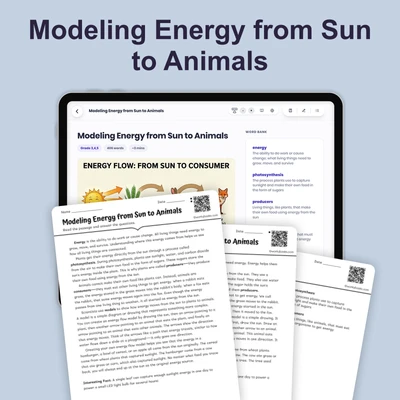
How Producers Make Food preview and details
About this printable How Producers Make Food science reading passage, NGSS-aligned (Grades 4-6)
Sample passage and quiz from How Producers Make Food
Reading passage and comprehension quiz preview
How Producers Make Food
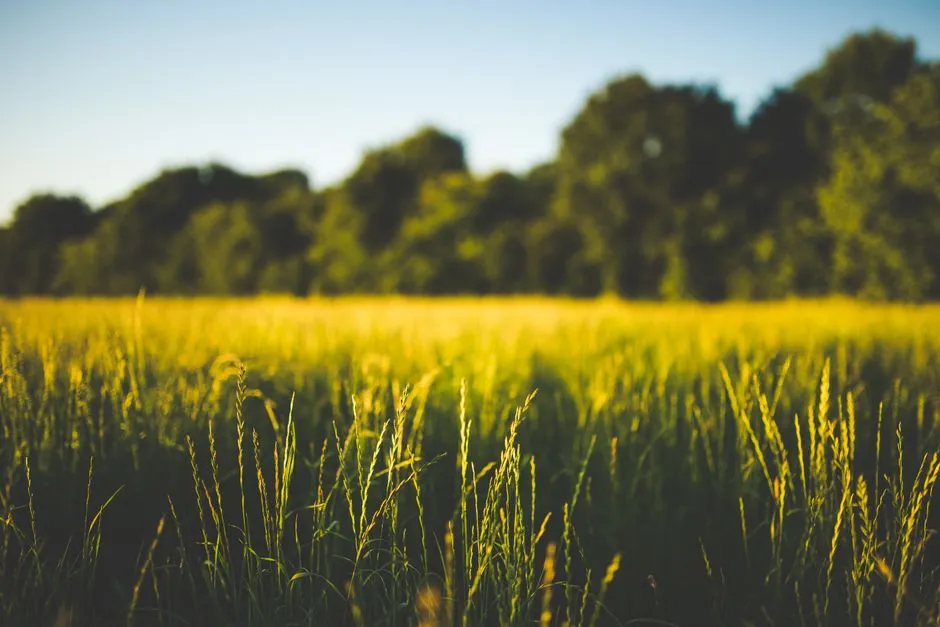
Producers are living things that can make their own food. Most producers are plants and algae. They are called producers because they produce, or create, the food they need to survive. This ability is important because producers are the starting point for all food and energy in an ecosystem.
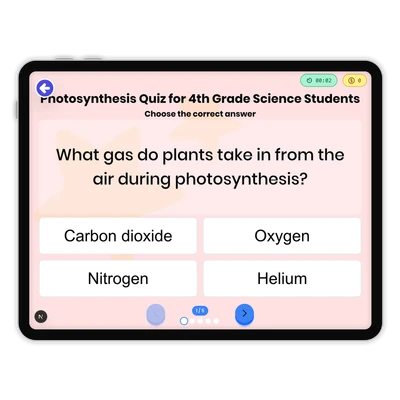
Producers make food through a process called photosynthesis. During photosynthesis, producers use three main ingredients: sunlight, water, and carbon dioxide from the air. The sunlight provides energy that powers the food-making process. Think of sunlight like electricity that powers a blender—without it, nothing can happen. Plants take in water through their roots and carbon dioxide through tiny holes in their leaves. Inside the leaves, a green substance called chlorophyll captures the sunlight's energy and uses it to combine water and carbon dioxide into a type of sugar called glucose. This sugar is the food that gives producers energy to grow, repair themselves, and reproduce.
The food that producers make is not just for themselves. When animals eat plants, they get the energy stored in that food. When other animals eat those plant-eating animals, the energy passes along again. This creates a food chain that starts with producers. Without producers making food from sunlight, no other living things would have energy to survive. Even the oxygen we breathe comes from photosynthesis—producers release oxygen as they make food.
Different types of producers live in different places. On land, trees, grasses, flowers, and garden vegetables are all producers. In water, algae and tiny floating plants called phytoplankton are producers. Some algae are so small you need a microscope to see them, but together they produce much of the oxygen on Earth. Whether large or small, all producers share the same amazing ability: they turn sunlight into food that supports all life on our planet.
Interesting Fact: A single large tree can produce enough oxygen in one year to support two people, while also making food for itself and providing shelter for countless animals!
Comprehension quiz (8 questions)
1. What are producers?
2. What three ingredients do producers need?
3. What does chlorophyll do in plants?
4. Why are producers important to animals?
5. How does photosynthesis help humans breathe?
6. What would happen without producers?
7. All food chains start with producers.
8. What is photosynthesis?
Perfect for the way you teach
- Build comprehension skills
- Auto-graded quiz
- Differentiated reading
- Read together at home
- Improve fluency
- Quiet reading time
- Reading curriculum support
- Independent practice
- Track Lexile growth