Human Impacts: Invasive Species
Interactive passage with audio narration, comprehension questions, and printable PDF.
By completing this purchase you agree to our Terms of Use and Privacy Policy. Your subscription renews automatically until you cancel. You can cancel anytime from your account settings. All sales are final and non-refundable. Digital content is available for download in your account immediately upon purchase.
What's included
Human Impacts: Invasive Species preview and details
About this printable Human Impacts: Invasive Species science reading passage, NGSS-aligned (Grades 5-8)
Sample passage and quiz from Human Impacts: Invasive Species
Reading passage and comprehension quiz preview
Human Impacts: Invasive Species
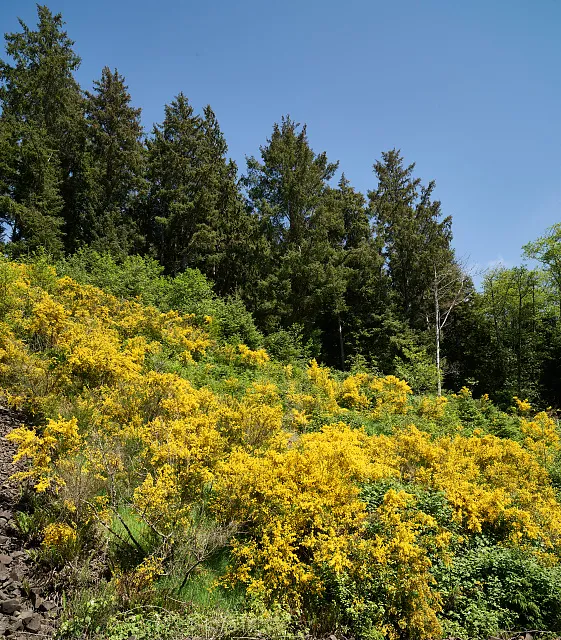
Invasive species are a major challenge for ecosystems around the world. These are non-native organisms that enter a new habitat and cause harm to the environment, economy, or even human health. In recent decades, the spread of invasive species has increased, affecting biodiversity and ecosystem stability. Scientists study how these species spread and why they often outcompete native organisms, leading to complex changes in the environment.
How Species Become Invasive
Species can become invasive through both intentional introduction and accidental means. Humans may bring in new plants or animals for crops, landscaping, or as pets. Sometimes, species are introduced by accident, such as through ballast water discharged by ships or organisms hitchhiking on cargo. Once in a new environment, some of these species thrive because they have no natural predators or diseases to keep their populations in check. For example, zebra mussels arrived in North America in the 1980s via ballast water from ships. They quickly spread throughout waterways, clogging pipes and outcompeting native mussels.
Why Invasive Species Succeed
Invasive species often succeed because of several interacting factors. Without natural predators, their populations can grow rapidly. Some have short reproduction cycles or produce many offspring, allowing them to spread quickly. Invasive plants like kudzu in the southern United States can grow up to 30 centimeters per day, smothering native vegetation. In Australia, the cane toad was introduced to control pests but became invasive, poisoning native animals that tried to eat it. In Florida, the Burmese python now preys on mammals and birds, reducing native wildlife populations by more than 90% in some areas.
Impacts and Control Strategies
The effects of invasive species are far-reaching. They can reduce biodiversity by outcompeting or preying on native species, disrupt food webs, and cause economic damage. For instance, zebra mussels cost the U.S. billions of dollars each year in maintenance and control. The brown tree snake in Guam has caused the extinction of several bird species. To address these problems, scientists and governments use different control strategies, such as physical removal, biological control (using natural enemies), and stricter regulations on species transport. Prevention—stopping invasives from entering new areas in the first place—is usually the most effective approach.
Understanding the mechanisms behind invasive species helps scientists and communities protect ecosystems and maintain biodiversity. Studying these complex interactions deepens our knowledge of how human actions impact natural systems and highlights the importance of responsible environmental management.
Interesting Fact: Some invasive species, like the Asian carp, can jump up to 3 meters out of the water when startled, posing a danger to boaters as well as ecosystems!
Comprehension quiz (10 questions)
1. What is an invasive species?
2. Which of the following is NOT a way species become invasive?
3. What is one reason invasive species can outcompete native species?
4. According to the passage, what is a control strategy for invasive species?
5. In the passage, what does the term 'ballast water' mean?
6. What does 'biodiversity' mean in the context of the passage?
7. Why was the cane toad originally introduced in Australia?
8. Which of the following is an example of economic damage caused by invasive species?
9. True or False: Prevention is usually the most effective approach to managing invasive species.
10. True or False: All invasive species are brought in on purpose by humans.
Perfect for the way you teach
- Build comprehension skills
- Auto-graded quiz
- Differentiated reading
- Read together at home
- Improve fluency
- Quiet reading time
- Reading curriculum support
- Independent practice
- Track Lexile growth