Human Impacts: Habitat Destruction
Interactive passage with audio narration, comprehension questions, and printable PDF.
By completing this purchase you agree to our Terms of Use and Privacy Policy. Your subscription renews automatically until you cancel. You can cancel anytime from your account settings. All sales are final and non-refundable. Digital content is available for download in your account immediately upon purchase.
What's included
Human Impacts: Habitat Destruction preview and details
About this printable Human Impacts: Habitat Destruction science reading passage, NGSS-aligned (Grades 5-8)
Sample passage and quiz from Human Impacts: Habitat Destruction
Reading passage and comprehension quiz preview
Human Impacts: Habitat Destruction
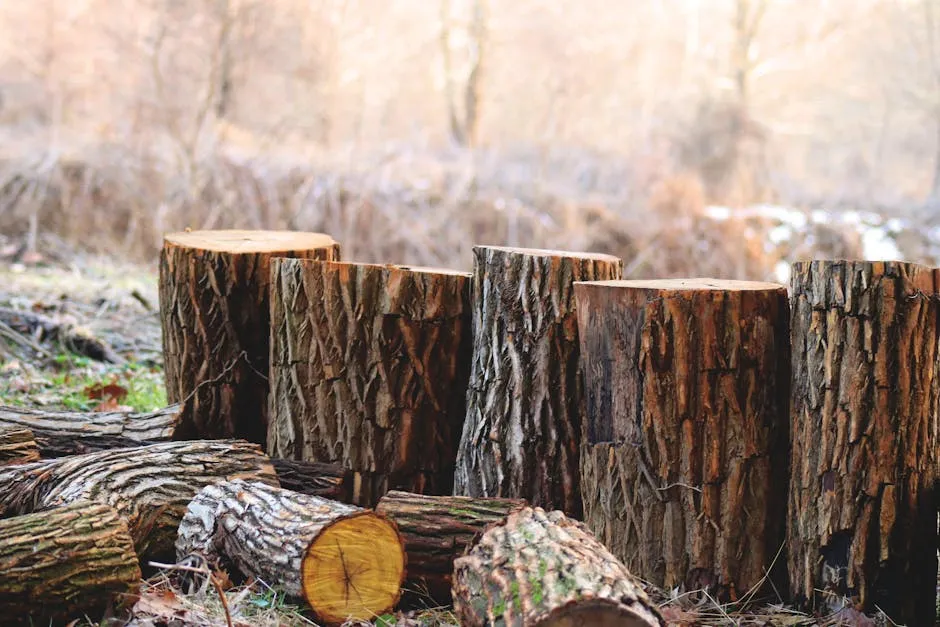
Habitat destruction is the leading cause of global biodiversity loss. Each year, humans clear millions of acres of forests and wetlands for agriculture, logging, and development. These changes are visible from space, with large patches of green turning into fields, cities, or roads. Scientists study satellite images and field data to understand the scale and effects of this destruction, which threatens countless plant and animal species.
Mechanisms of Habitat Destruction
Deforestation occurs when trees are removed for farming, timber, or urban growth. For example, the Amazon rainforest loses about 17% of its original area, mostly due to cattle ranching and soybean farming. In Southeast Asia, Indonesian rainforests are cleared for palm oil plantations. Wetland drainage is another major cause, as marshes and swamps are filled for agriculture and construction. Urban sprawl, where cities expand outward, paves over natural habitats, fragmenting them into smaller, isolated patches.
Fragmentation and Edge Effects
When large habitats are broken into smaller pieces, this is called habitat fragmentation. Fragmentation prevents species from moving freely, which limits migration, feeding, and breeding. Edge effects occur at the boundaries between natural and developed areas, where sunlight, wind, and predators alter the environment. For instance, forest edges are hotter and drier, making them less suitable for many species. Studies show that since 1700, over 50% of the world's wetlands and nearly 30% of forests have been lost or fragmented due to human activities.
Consequences and Broader Implications
These changes disrupt ecosystem functions, such as pollination and water purification, and can lead to species extinction. In monoculture farming, where one crop replaces a diverse ecosystem, pests and diseases can spread more easily. Loss of biodiversity reduces the ability of ecosystems to recover from disturbances like storms or droughts. Understanding these cause-and-effect chains helps scientists and policymakers create solutions, such as protected areas, habitat corridors, and sustainable land use plans.
Scientists use remote sensing, field surveys, and long-term monitoring to track habitat changes and species populations. This evidence helps us connect local actions to global impacts and develop policies to balance human needs with environmental protection. The future of biodiversity depends on how society manages land and resources.
Interesting Fact:
The Amazon rainforest is home to at least 10% of all known species on Earth, making its preservation crucial for global biodiversity.
Comprehension quiz (10 questions)
1. What is the leading cause of global biodiversity loss?
2. Which region has lost about 17% of its original rainforest due to deforestation?
3. What is 'edge effect' as described in the passage?
4. What happens when habitats are fragmented?
5. What is the meaning of 'monoculture' in the passage?
6. What is a potential consequence of habitat destruction?
7. Scientists use satellite images and field data to study habitat destruction.
8. Monoculture farming helps increase biodiversity.
9. If a forest is fragmented, what could happen to animals living there?
10. What is one way to reduce the negative effects of habitat destruction, mentioned in the passage?
Perfect for the way you teach
- Build comprehension skills
- Auto-graded quiz
- Differentiated reading
- Read together at home
- Improve fluency
- Quiet reading time
- Reading curriculum support
- Independent practice
- Track Lexile growth