The Great Barrier Reef
Interactive passage with audio narration, comprehension questions, and printable PDF.
By completing this purchase you agree to our Terms of Use and Privacy Policy. Your subscription renews automatically until you cancel. You can cancel anytime from your account settings. All sales are final and non-refundable. Digital content is available for download in your account immediately upon purchase.
What's included
The Great Barrier Reef preview and details
About this printable The Great Barrier Reef science reading passage, NGSS-aligned (Grades 5-8)
Sample passage and quiz from The Great Barrier Reef
Reading passage and comprehension quiz preview
Great Barrier Reef
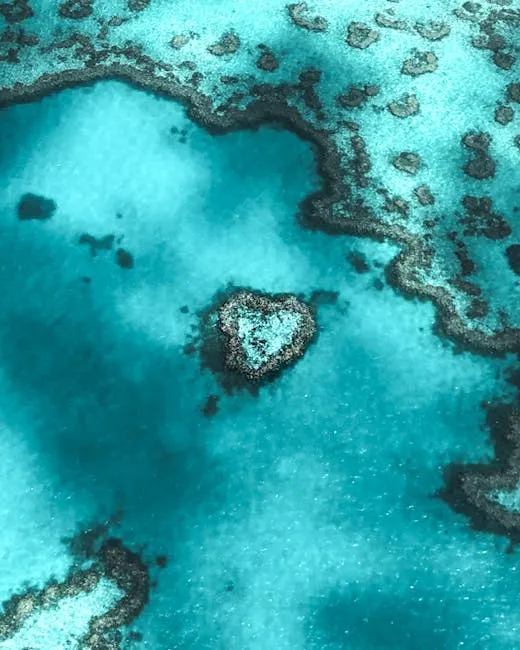
The Great Barrier Reef is the largest coral reef system on Earth in Australia. Image by Vincent Rivaud / Pexels.
The Great Barrier Reef is the largest coral reef system on Earth, stretching over 2,300 kilometers along the northeastern coast of Australia. Its size and complexity make it visible even from space, and it plays a crucial role in marine ecosystems. Scientists have studied the reef for decades to understand how such an enormous and diverse biological system forms, survives, and responds to environmental changes.
How Coral Reefs Form and Function
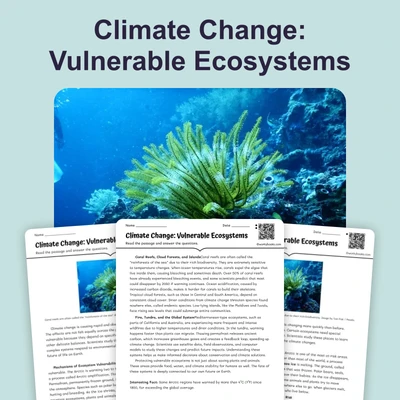
The Great Barrier Reef is built by tiny animals called coral polyps. These polyps secrete calcium carbonate, which hardens to form the reef's structure. Over thousands of years, layer upon layer of skeletons from dead polyps accumulate, creating massive underwater ridges and islands. Coral polyps have a mutualistic relationship with zooxanthellae—microscopic algae living inside their tissues. The algae use sunlight to make food through photosynthesis, providing nutrients for the coral, while the coral offers protection and essential compounds for the algae. This partnership is the foundation of the reef’s productivity and growth.
Extraordinary Biodiversity and Ecosystem Interactions
The Great Barrier Reef supports over 1,500 fish species, 400 types of coral, and thousands of other marine organisms. These species interact in complex food webs, with each organism playing a specific role—such as predators, prey, or decomposers. For example, parrotfish eat algae and help keep coral surfaces clean, while sharks manage populations of smaller fish. Scientists have measured that reefs like the Great Barrier Reef can generate up to 10,000 kilograms of living tissue per hectare each year, illustrating their importance as one of the planet’s most productive ecosystems. These interactions maintain a delicate balance, making the reef resilient but also sensitive to disturbances.
Threats and Conservation Efforts
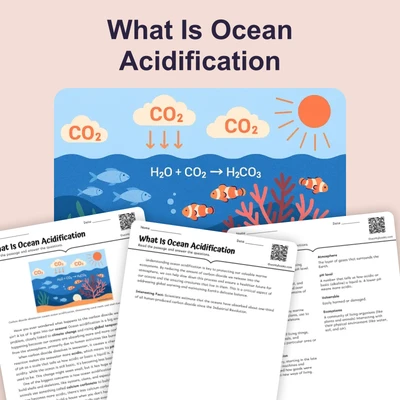
Despite its resilience, the Great Barrier Reef faces significant threats. One major problem is coral bleaching, which happens when water temperatures rise by even 1-2°C above normal. This stress causes corals to expel their zooxanthellae, turning them white and often leading to coral death. Ocean acidification, caused by increased carbon dioxide dissolving into seawater, weakens coral skeletons and slows reef growth. Outbreaks of the crown-of-thorns starfish—which can eat large areas of coral—also threaten reef health. Scientists use satellite images, underwater surveys, and water chemistry tests to monitor these changes. Conservation efforts include marine protected areas, pollution reduction, and active restoration projects. These strategies rely on understanding how interconnected species and environmental factors affect reef survival.
The Great Barrier Reef demonstrates the importance of systems thinking in science, where every action and reaction is linked. Protecting the reef is not only vital for marine life but also for human communities that depend on it for food, tourism, and coastal protection. Ongoing research and conservation show how scientific knowledge can guide effective environmental management.
Interesting Fact:
About one-third of the world’s soft coral species are found only in the Great Barrier Reef, making it a unique global treasure.
Comprehension quiz (10 questions)
1. Where is the Great Barrier Reef located?
2. What tiny animal builds the structure of the Great Barrier Reef?
3. About how many types of coral are found in the Great Barrier Reef?
4. What is 'coral bleaching'?
5. What is the role of zooxanthellae in the reef system?
6. Which word in the passage means 'a decrease in ocean pH due to extra carbon dioxide'?
7. Why is the Great Barrier Reef considered a productive ecosystem?
8. What is one effect of the crown-of-thorns starfish on the reef?
9. True or False: Coral polyps and zooxanthellae have a harmful relationship.
10. True or False: The Great Barrier Reef only supports coral species, not fish or other animals.
Perfect for the way you teach
- Build comprehension skills
- Auto-graded quiz
- Differentiated reading
- Read together at home
- Improve fluency
- Quiet reading time
- Reading curriculum support
- Independent practice
- Track Lexile growth