Indigenous Herbal Medicine
Interactive passage with audio narration, comprehension questions, and printable PDF.
By completing this purchase you agree to our Terms of Use and Privacy Policy. Your subscription renews automatically until you cancel. You can cancel anytime from your account settings. All sales are final and non-refundable. Digital content is available for download in your account immediately upon purchase.
What's included
Indigenous Herbal Medicine preview and details
About this printable Indigenous Herbal Medicine reading passage (Grades 5-8)
Sample passage and quiz from Indigenous Herbal Medicine
Reading passage and comprehension quiz preview
Indigenous Herbal Medicine
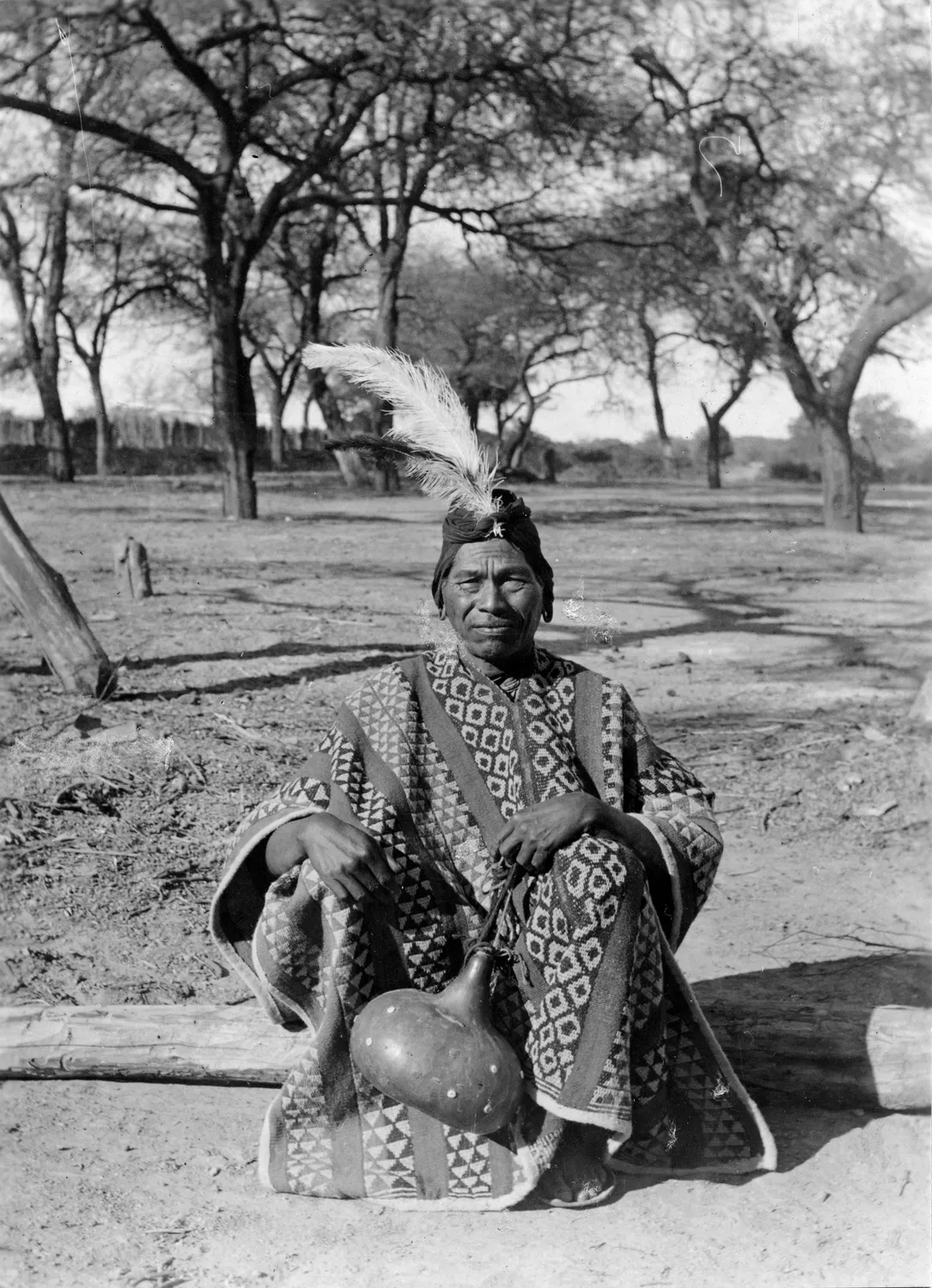
"Carancho, a famous toba medicine man at Pilcomayo" by John Arnott (1907-1971) / Wikimedia Commons
Across the Americas, Indigenous peoples developed advanced knowledge of medicinal plants, shaping the foundation of modern pharmaceutical science. For thousands of years, Native American communities observed, tested, and recorded the effects of different plants on the human body, using careful observation and oral tradition to pass along healing knowledge. Their discoveries, such as the pain-relieving properties of willow bark and fever-reducing uses of certain herbs, were often shared with European settlers and later became crucial to global medicine.
One significant example of Indigenous ingenuity is the use of willow bark for treating pain and fever. Tribes like the Cherokee and the Ojibwe chewed or brewed willow bark into tea, knowing that it could reduce aches and inflammation. In the 18th and 19th centuries, European scientists learned that willow bark contains salicin, a compound that inspired the invention of modern aspirin in 1897 by Felix Hoffmann in Germany. This shows a clear connection between Native American practices and worldwide medical advances. Similarly, the use of cinchona bark from the Andes mountains to treat malaria was first discovered by Indigenous peoples in South America. Spanish colonists learned about this treatment in the 17th century, and quinine from cinchona bark became the world’s first effective anti-malarial drug.
Indigenous communities used hundreds of other plants for various ailments, relying on their understanding of local ecosystems. For example, the Navajo used yarrow root for wounds, while the Maya applied crushed chili peppers for pain relief. These remedies were recorded in oral histories and, in some cases, pictographic texts such as the Aztec Codex Badianus (1552), one of the earliest illustrated herbal guides from the Americas. Archaeological evidence, like ancient grinding stones and plant remains, supports the long-term use of these remedies. The selection of plants was influenced by geography—forests, deserts, and wetlands all offered different medicinal resources, and Indigenous healers adapted their knowledge to the environment.
Over time, European and American scientists began to recognize the value of Indigenous botanical expertise. This exchange led to the adoption of many Native remedies into mainstream medicine, but it also meant that traditional knowledge was sometimes taken without proper recognition or respect. Nevertheless, Indigenous herbal medicine continues to influence modern pharmacology, and many communities today work to preserve and teach these traditions.
The study of Indigenous healing plants reveals a legacy of scientific observation, experimentation, and innovation. These practices demonstrate the importance of respecting diverse medical traditions and understanding how knowledge can be shaped by geography and social needs. The story of herbal medicine connects Native American history to broader themes of invention, adaptation, and cultural exchange.
Interesting Fact: The word “quinine,” used to treat malaria, comes from the Quechua word “kina,” meaning “bark.”
Comprehension quiz (8 questions)
1. Which plant led to modern aspirin?
2. Who used cinchona bark for malaria first?
3. What did the Aztec Codex Badianus show?
4. How did Native healers choose plants?
5. What is a main effect of sharing plant knowledge?
6. Why was quinine important?
7. Indigenous knowledge only helped local people. True or false?
8. What does 'medicinal' mean?
Perfect for the way you teach
- Build comprehension skills
- Auto-graded quiz
- Differentiated reading
- Read together at home
- Improve fluency
- Quiet reading time
- Reading curriculum support
- Independent practice
- Track Lexile growth