Livy the Roman Historian
Interactive passage with audio narration, comprehension questions, and printable PDF.
By completing this purchase you agree to our Terms of Use and Privacy Policy. Your subscription renews automatically until you cancel. You can cancel anytime from your account settings. All sales are final and non-refundable. Digital content is available for download in your account immediately upon purchase.
What's included
Livy the Roman Historian preview and details
About this printable Livy the Roman Historian reading passage (Grades 6-8)
Sample passage and quiz from Livy the Roman Historian
Reading passage and comprehension quiz preview
Livy the Roman Historian
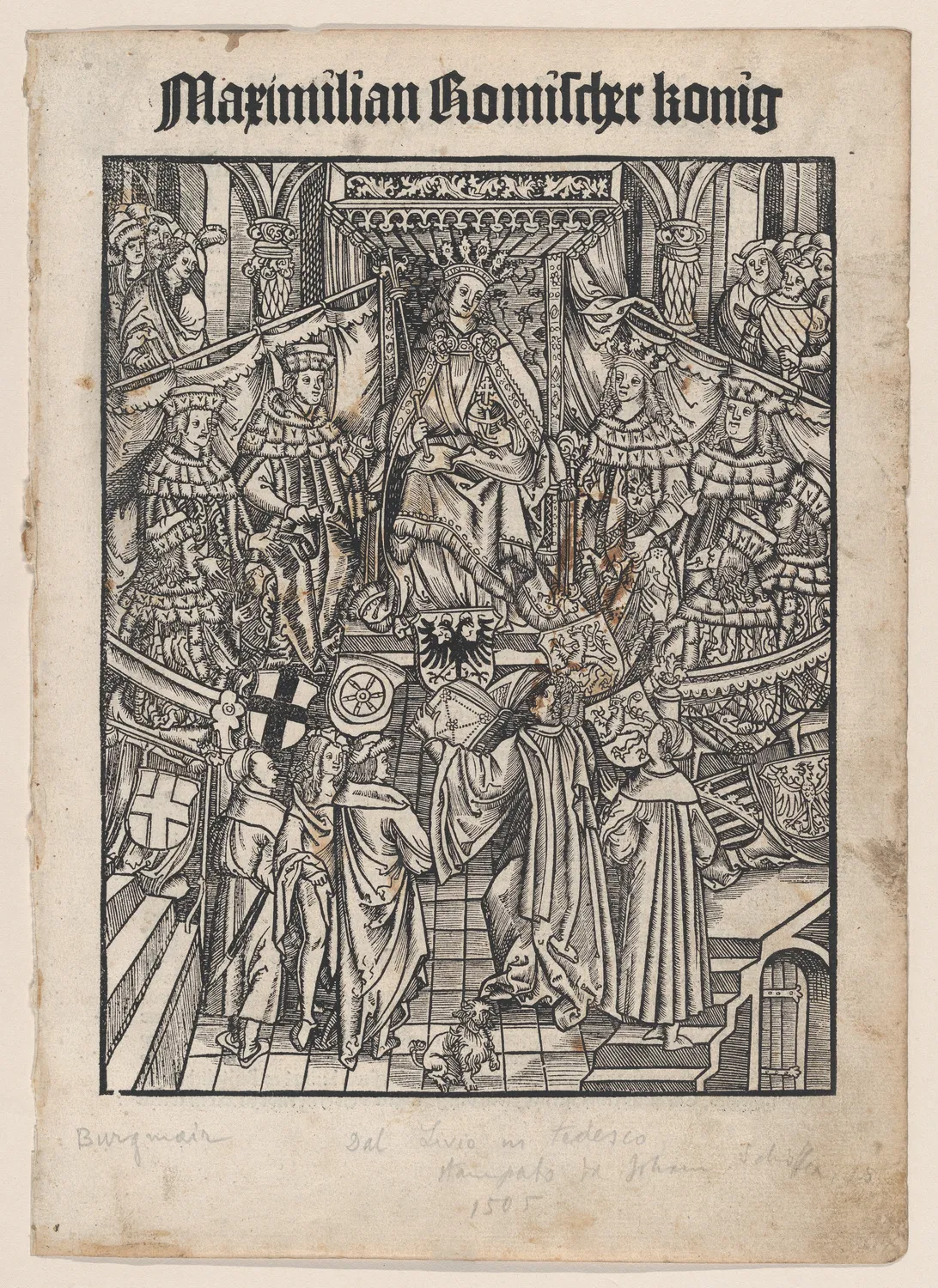
The Emperor Maximilian Receiving Livy's Roman History from the Translators MET DP873552. Johann Schöffer
Wikimedia Commons
Livy, whose full name was Titus Livius, is one of the most important historians from Ancient Rome. Born in 59 BCE in the city of Patavium (modern Padua, Italy), Livy lived during a period when Rome was growing from a Republic into a powerful empire. His writings, especially the monumental history called Ab Urbe Condita ("From the Founding of the City"), are our main source for the early traditions, legends, and historical events of Rome.
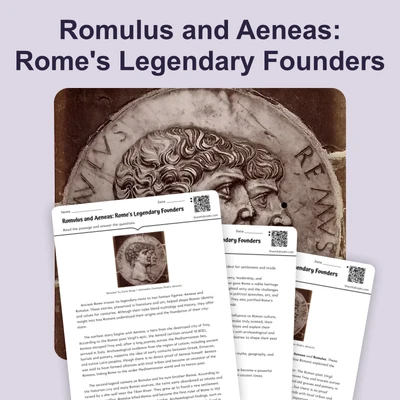
Livy began writing his history in the late 1st century BCE. He aimed to record the origins and development of Rome, starting from its legendary founding in 753 BCE. Livy combined stories passed down through oral tradition with written records and official documents. For example, he described the legend of Romulus and Remus, twin brothers raised by a she-wolf who are said to have founded Rome. Livy also wrote about key events, such as the overthrow of the last Roman king, Tarquin the Proud, in 509 BCE, which marked the transition from monarchy to a republic. His work included detailed accounts of the Roman social structure, showing how patricians (wealthy aristocrats) and plebeians (common people) shaped daily life and politics.
Livy was careful to note when his sources were uncertain or based on legend rather than fact. For example, he discussed the famous story of Horatius defending a bridge against invaders, but he admitted that some details were unclear. Livy’s use of both official records and oral stories makes his history valuable, but historians today also recognize the limits of his evidence. Archaeological discoveries, like the remains of early Roman temples and city walls, sometimes support or challenge Livy's accounts. For instance, excavations at the Roman Forum have provided physical evidence for some of the buildings Livy described.
The significance of Livy’s work is huge. He preserved stories and events that might have been lost forever, helping Romans understand their identity and values. His writings influenced later historians and continue to shape our understanding of Roman civilization. However, reading Livy also reminds us that history depends on sources, both reliable and uncertain, and that historians must weigh evidence carefully.
Livy’s record of Rome’s rise connects to broader themes in ancient history, such as the role of tradition, the challenges of verifying the past, and the ways societies remember and explain their origins.
Interesting Fact: Livy wrote 142 books of Roman history, but only about 35 survive today—many are lost forever!
Comprehension quiz (8 questions)
1. Where was Livy born?
2. What is the title of Livy’s main work?
3. Who were the patricians?
4. Why did Livy’s sources sometimes have limits?
5. What did Livy's work help preserve?
6. How did archaeological finds affect Livy’s accounts?
7. Livy wrote 142 books on Roman history. True or false?
8. What does 'oral tradition' mean?
Perfect for the way you teach
- Build comprehension skills
- Auto-graded quiz
- Differentiated reading
- Read together at home
- Improve fluency
- Quiet reading time
- Reading curriculum support
- Independent practice
- Track Lexile growth