This learning resource is available in interactive and printable formats. The interactive worksheet can be played online and assigned to students. The Printable PDF version can be downloaded and printed for completion by hand.
This passage explores the history and innovation of Inuit parkas, focusing on their sophisticated thermal engineering and cultural significance. Students will learn how Inuit peoples of the Arctic designed multi-layered parkas from caribou and seal skin to survive freezing temperatures. The passage examines archaeological evidence, social roles, and the influence of these garments on modern cold-weather clothing. It aligns with California History-Social Science Framework and Common Core literacy standards. Activities include a glossary, Spanish translation, graphic organizers, timeline, and comprehension questions. An audio read-aloud feature and accessible content support all learners. This passage is ideal for students studying world history, Native American ingenuity, and adaptation to challenging environments.
CONTENT PREVIEW
Expand content preview
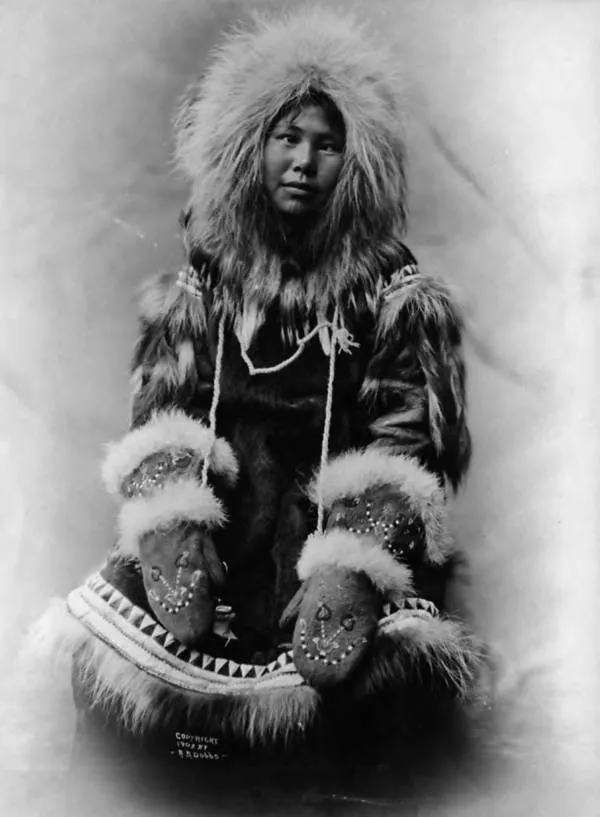
"Inuit woman wearing fur parka with embroidered mittens, Alaska, 1903" by Beverly Bennett Dobbs / Wikimedia Commons
The Inuit peoples of the Arctic developed specialized clothing called parkas to survive in one of the world's harshest environments. The Arctic region, which includes parts of Alaska, Canada, and Greenland, is known for freezing temperatures, powerful winds, and long, dark winters. To protect themselves, the Inuit became skilled at designing clothing that provided warmth, flexibility, and durability. Their parkas, often made from caribou or seal skins, represent an important example of Indigenous innovation and adaptation to geographic challenges.
The design of the Inuit parka shows a deep understanding of thermal engineering. Caribou fur is especially effective because its hollow hairs trap air, creating insulation. Inuit parkas were constructed in layers—an inner parka with the fur facing inward, and an outer parka with the fur facing out. This layering system maximized warmth and allowed moisture to escape, preventing dangerous frostbite. Archaeological finds, such as 500-year-old parkas preserved in permafrost, confirm these techniques were in use for centuries. According to oral histories from Canadian Inuit communities, sewing skills were highly valued, and parkas were often decorated to reflect social status or family identity.
One unique feature is the amauti, a parka designed for women to carry babies safely against their backs, inside a special pouch beneath the hood. The amauti kept both mother and child warm, even at temperatures below -40°F. Its design also allowed mothers to move freely while keeping their babies protected. European explorers, such as those led by Sir John Franklin in the 1840s, noted the effectiveness of Inuit clothing and sometimes adopted similar designs during Arctic expeditions.
The creation of parkas required careful planning, teamwork, and knowledge of the land. Hunters provided animal skins, while women cleaned, softened, and stitched the materials using bone or ivory needles. Patterns were passed down through generations, blending tradition with practical needs. Despite the introduction of new materials like cotton and synthetic fibers in the 20th century, many Inuit families continue making traditional parkas for ceremonies or daily life. Modern cold-weather jackets, including those worn by scientists and explorers, often use design principles first perfected by the Inuit.
The story of the Inuit parka highlights how societies adapt to their environment through ingenuity. By combining local resources, skilled craftsmanship, and cultural knowledge, the Inuit created clothing that helped them thrive where few others could survive. This legacy continues to influence winter fashion and outdoor gear around the world.
Interesting Fact: The word "parka" comes from the Nenets language of Siberia, but it became widely known in English through Inuit innovations.
This topic connects to broader themes of human adaptation, technological innovation, and cultural exchange.
What material was best for warmth?
Caribou furCottonLinenPlastic
Who made most of the parkas?
Inuit womenEuropean explorersChildrenHunters
What is an amauti?
A parka for carrying babiesA hunting toolA type of foodA sled
Why were parkas made in layers?
To trap warmthFor decoration onlyTo keep dry onlyTo look bigger
How did parkas show social status?
Through decorationBy color onlyBy size onlyBy weight
What did European explorers learn from Inuit?
Adopted parka designUsed new weaponsChanged languageTraveled to Canada
Parkas helped Inuit survive Arctic cold. True or false?
TrueFalse
What does 'ingenuity' mean?
Creative skillCold weatherAnimal skinSocial group
Perfect For:
👩🏫 Teachers
• Reading comprehension practice
• Auto-graded assessments
• Literacy skill development
👨👩👧👦 Parents
• Reading practice at home
• Comprehension improvement
• Educational reading time
🏠 Homeschoolers
• Reading curriculum support
• Independent reading practice
• Progress monitoring
Reading Features:
📖
Reading Passage
Engaging fiction or nonfiction text
❓
Comprehension Quiz
Auto-graded questions
📊
Instant Feedback
Immediate results and scoring
📄
Printable Version
Download for offline reading
🔊
Read Aloud
Voice-over with word highlighting
Reviews & Ratings
No reviews yet. Be the first to share your experience!
Related Content
Native American Respect for Nature
This engaging history reading passage explores Native American respect for nature, emphasizing the close relationship be...
D2.HIS.2.3-5D2.HIS.3.3-5RI.4.3RI.4.4
Native Americans and Slavery in Early America
This comprehensive U.S. history reading passage explores the complex relationship between Native Americans and slavery d...
D2.HIS.2.3-5D2.HIS.3.3-5RI.4.3RI.4.4
Native American Tribes Across America
This engaging history reading passage introduces students to Native American tribes across America, focusing on their da...
D2.HIS.1.3-5D2.HIS.2.3-5RI.4.1RI.4.2
Traditional Native American Clothing
This engaging history passage explores traditional Native American clothing and how it reflected the environment, values...
D2.HIS.2.3-5D2.HIS.3.3-5RI.4.3RI.4.4
Native American Basket Weaving
This passage examines the historical importance of basket weaving among Indigenous Americans, highlighting how different...
Native American Treaties
This passage examines early Native American treaties, agreements that were meant to establish peace and boundaries betwe...
D2.HIS.2.3-5D2.HIS.3.3-5RI.4.3RI.4.4
Native American Land Sales
This comprehensive history reading passage examines Native American land sales in U.S. history and asks students to cons...
D2.HIS.2.3-5D2.HIS.3.3-5RI.4.3RI.4.4
Disease and Native Americans
This engaging U.S. history reading passage explores the dramatic impact of European diseases on Native American populati...
D2.HIS.2.3-5D2.HIS.3.3-5RI.4.3RI.4.4
The Cherokee Nation: History and Culture
This reading passage explores the rich history and culture of the Cherokee Nation, one of the largest Native American tr...
D2.HIS.2.3-5D2.HIS.14.3-5RI.4.3RI.4.4RI.4.10
Columbian Exchange Impact on Native Americans
This passage examines the complex effects of the Columbian Exchange on Native Americans, analyzing the causes, consequen...
D2.HIS.2.3-5D2.HIS.3.3-5RI.4.3RI.4.4
Native American Allies in Colonial Wars
This passage examines the complex role of Native American nations as allies and adversaries during the colonial wars of ...
D2.HIS.2.3-5D2.HIS.3.3-5RI.4.3RI.4.4
Spanish Missions Impact on Native American
This reading passage explores the complex impact of Spanish missions on Native American culture in what is now the south...
D2.HIS.2.3-5D2.HIS.3.3-5RI.4.3RI.4.4
Native American Civilizations Before European Contact
This engaging U.S. History reading passage explores Native American civilizations before European contact, focusing on t...
D2.HIS.2.3-5D2.HIS.3.3-5RI.4.3RI.4.4
Moccasins: Soft Leather Footwear
This passage explores the history and significance of moccasins—a soft leather footwear invented by Native American nati...
Native vs European Land Views
This passage examines the contrasting beliefs about land between Native American societies and European settlers, highli...
D2.HIS.2.3-5D2.HIS.3.3-5RI.4.3RI.4.4
Native Americans in Revolutionary War
This engaging U.S. history reading passage explores how Native American nations made difficult decisions during the Amer...
D2.HIS.2.3-5D2.HIS.3.3-5RI.4.3RI.4.4
Pemmican: High-Energy Preserved Food
This engaging history reading passage explores the invention and significance of pemmican, a high-energy preserved food ...
Black History Month Word Search
RF.4.3RF.5.3L.4.4L.5.4
The Inuit Kayak
This passage examines the history and significance of the Inuit kayak, an advanced invention developed by Arctic peoples...
American History Word Search
Word search on American History Word Search! Vocabulary practice aligned to Common Core standards!