This passage explores the life and impact of Siddhartha Gautama, known as the Buddha, and the founding of Buddhism in ancient India. Students will learn about his early life as a prince, his quest for enlightenment, and the spread of his teachings throughout Asia. The reading includes references to primary sources, discussion of key Buddhist concepts, and the historical significance of Buddhism’s rise. Activities include a comprehension quiz, writing prompts, and graphic organizers to deepen understanding. The passage is available in English and Spanish, with a simplified version for differentiated instruction. It aligns with California HSS 6.3.3 and CCSS.ELA-LITERACY.RI.6.1, focusing on explaining the emergence and spread of religion in ancient societies. The resource also offers a read-aloud audio and visual extensions for classroom engagement.
Written by Workybooks TeamPublished by Workybooks
Preview
Sample passage and quiz content
CONTENT PREVIEW
Expand content preview
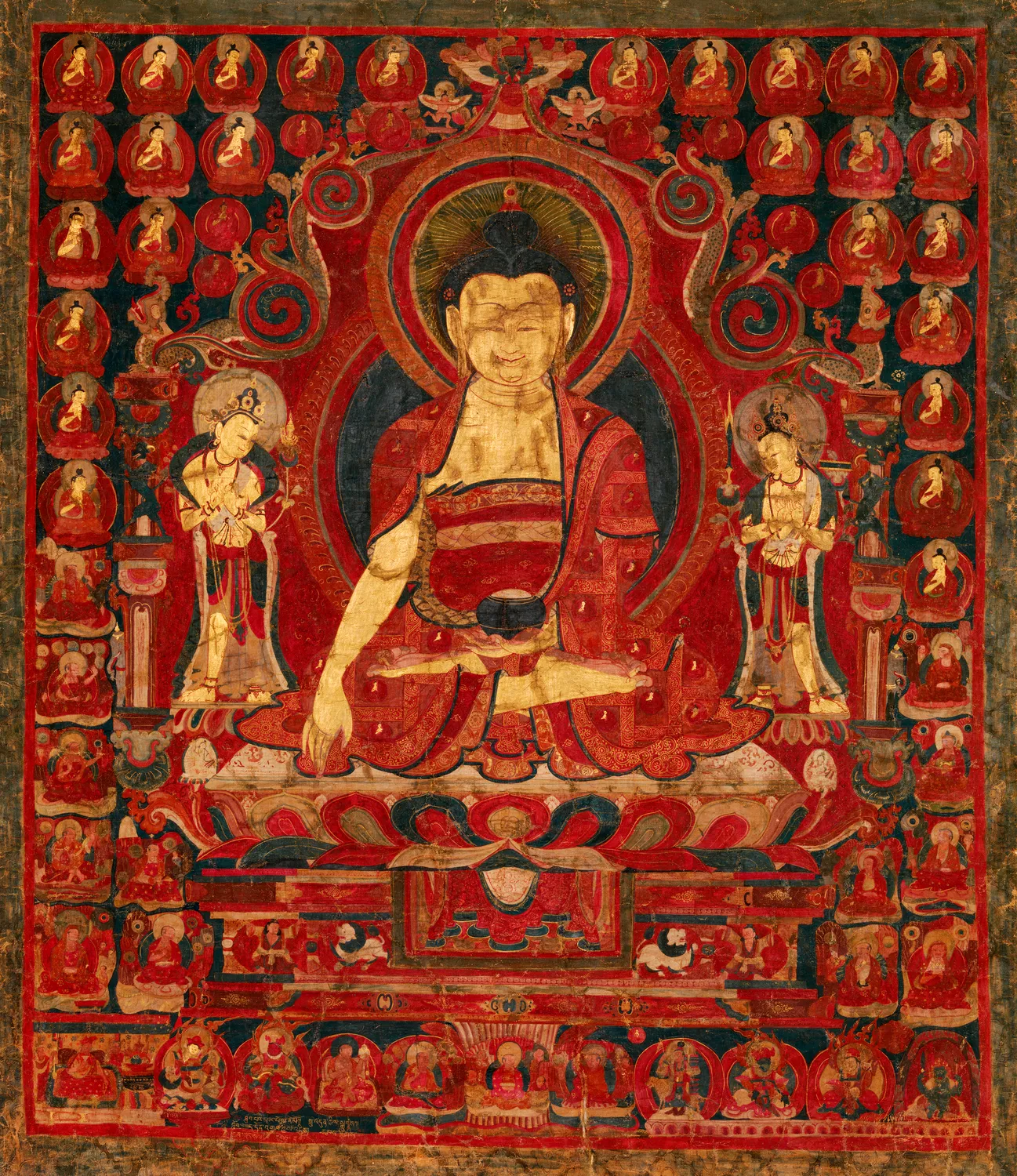
"Buddha Shakyamuni as Lord of the Munis" / Wikimedia Commons (Public domain).
Siddhartha Gautama, who became known as the Buddha, was born in northern India around 563 BCE. He founded Buddhism, a major world religion that has shaped cultures across Asia for over two thousand years. Siddhartha’s life story and teachings help us understand how new ideas and beliefs can transform societies.
Siddhartha was born into a royal family in the kingdom of Kapilavastu, near the Himalayas. Ancient texts, such as the Pali Canon, describe how his father, King Suddhodana, wanted Siddhartha to become a great ruler. To protect him from life’s hardships, the king kept Siddhartha inside the palace, surrounded by luxury. However, at age 29, Siddhartha left the palace and saw what Buddhists call the “Four Sights”: an old man, a sick person, a dead body, and a wandering holy man. These experiences made Siddhartha question the meaning of life and the nature of suffering.
Siddhartha left his royal life behind and began a spiritual search. He studied with different teachers and practiced strict asceticism, or self-denial, hoping to find the cause of suffering. After years of searching, he meditated under a bodhi tree in Bodh Gaya. According to Buddhist tradition, after 49 days of deep meditation, Siddhartha experienced enlightenment, gaining a profound understanding of how to end suffering. He became the Buddha, which means “the Enlightened One.”
The Buddha spent the rest of his life teaching the Four Noble Truths and the Eightfold Path. These teachings explain that suffering is part of life, but people can escape it by following the right path of ethical living, wisdom, and mental discipline. Archaeological findings at sites like Sarnath and Kushinagar show where the Buddha preached and where he died. His followers, called monks and nuns, formed the first Buddhist communities, known as sangha. Over time, Buddhism spread from India to Central Asia, China, and beyond.
The story of the Buddha’s life shows how a single person’s search for answers can inspire a global movement. His teachings still influence millions today, reminding people to seek wisdom, compassion, and inner peace. The study of Buddhism also helps us see how religions shape societies, art, and daily practices in different parts of the world.
This story connects to other big themes in history, such as the spread of ideas, the impact of geography on culture, and how people respond to suffering and change.
Interesting Fact: The earliest images of the Buddha were symbols like footsteps or a tree, not statues of his face or body.
Where was Siddhartha Gautama born?
KapilavastuSarnathVaranasiBodh Gaya
What did Siddhartha see that changed his life?
Four SightsA golden statueA battleA river
What is the Eightfold Path?
A path to end sufferingA river in IndiaA royal familyA type of meditation
Why did Siddhartha leave his royal life?
He wanted to find the reason for sufferingHe wanted to be kingHe was forced to leaveHe wanted to travel
How did Buddhism spread beyond India?
Through monks and teachersBy warBy trade onlyThrough writing
What does enlightenment mean in Buddhism?
Deep understanding and freedom from sufferingBecoming a kingTraveling to new landsBuilding a palace
Buddha’s followers were called monks and nuns. True or False?
TrueFalse
What is a sangha?
Community of monks and nunsA royal familyA type of treeA ritual