The Hajj Pilgrimage
Interactive passage with audio narration, comprehension questions, and printable PDF.
By completing this purchase you agree to our Terms of Use and Privacy Policy. Your subscription renews automatically until you cancel. You can cancel anytime from your account settings. All sales are final and non-refundable. Digital content is available for download in your account immediately upon purchase.
What's included
The Hajj Pilgrimage preview and details
About this printable The Hajj Pilgrimage reading passage (Grades 5-8)
Sample passage and quiz from The Hajj Pilgrimage
Reading passage and comprehension quiz preview
The Hajj: Pilgrimage Connects the Muslim World
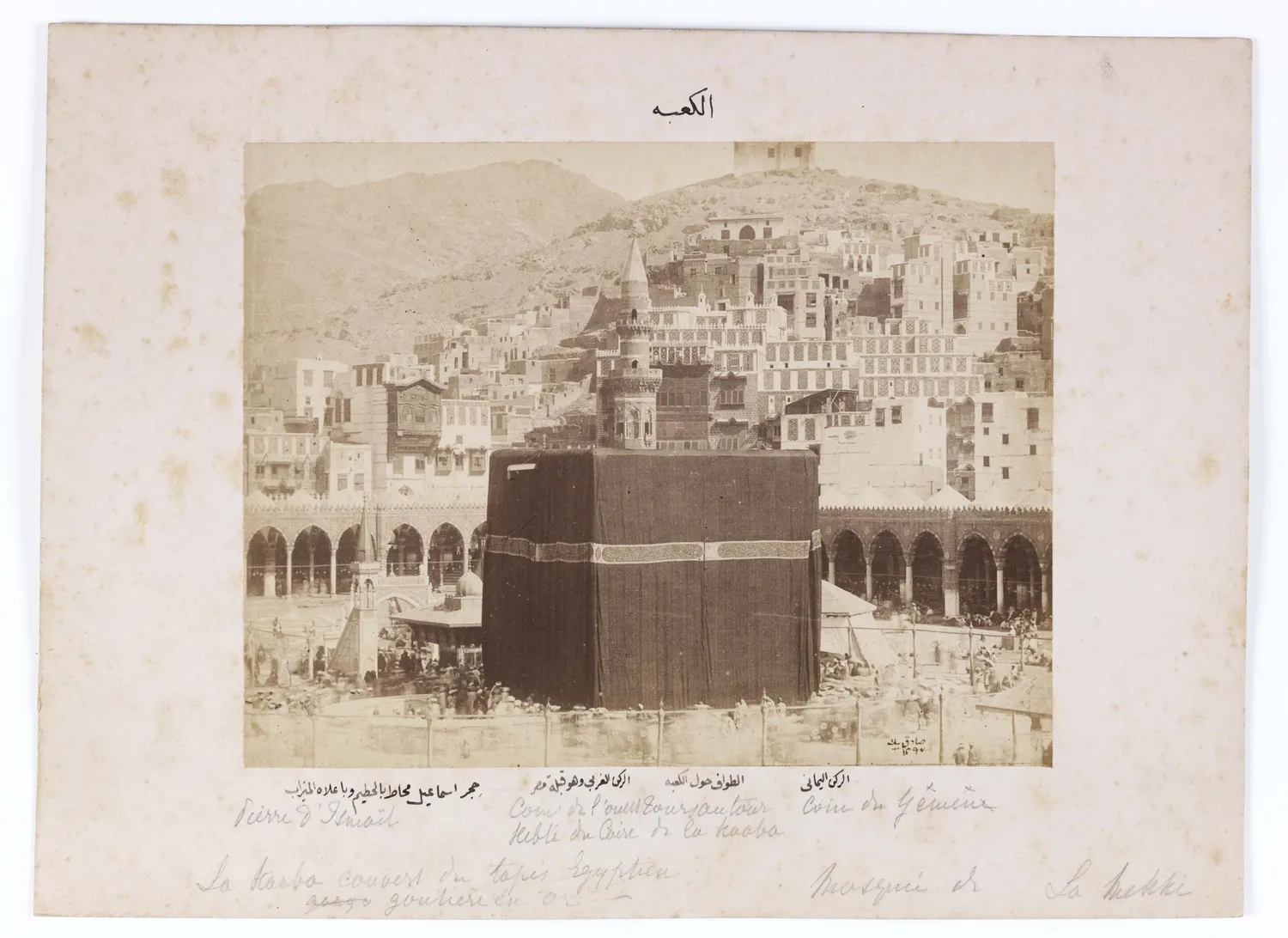
"Hajj and Arts of Pilgrimage" by Khalili Collections / Wikimedia Commons (Public domain).
The Hajj is an annual religious journey that brings millions of Muslims from around the world to the city of Mecca in present-day Saudi Arabia. The Hajj is one of the Five Pillars of Islam, meaning it is a major religious duty for Muslims who are physically and financially able. Every year, during the Islamic month of Dhu al-Hijjah, pilgrims gather to perform a series of rituals that have remained largely unchanged since the 7th century CE, when Islam was founded.
The origins of the Hajj can be traced back to the life of the Prophet Muhammad, but it also draws on much older traditions connected to Abraham (Ibrahim in Arabic), a figure important in Judaism, Christianity, and Islam. According to Islamic tradition, Abraham and his son Ishmael built the Kaaba, a cube-shaped building in Mecca, as a house of worship dedicated to one God. Archaeological evidence and early Islamic writings, such as the accounts of Ibn Ishaq, describe how the Hajj was practiced in various forms even before Islam, although its meaning and rituals were changed and unified by Muhammad in the 7th century CE.
The Hajj rituals include walking around the Kaaba seven times, running between the hills of Safa and Marwa, standing in prayer at the plain of Arafat, and other symbolic acts. These rituals are meant to show unity among Muslims and to remember the experiences of Abraham, Hagar, and Ishmael. The journey is both spiritual and physical, requiring preparation, travel, and endurance. By the 10th century CE, the Hajj had become an organized annual event with established routes, resting places, and marketplaces. Caravans traveled from distant regions such as North Africa, Persia, and even Spain, making Mecca a center of trade and cultural exchange.
The impact of the Hajj on the Muslim world was profound. It brought together people from many different cultures, languages, and social backgrounds, creating a sense of shared identity and belonging. The economic benefits were also significant, as Mecca became a hub for merchants and travelers. Over time, Islamic rulers, such as the Abbasids and Ottomans, invested in roads, security, and public works to support the Hajj. This helped spread ideas, technologies, and artistic styles across the Islamic world. While the core rituals have remained constant, the Hajj has adapted to changes in transportation, health, and safety over time.
In summary, the Hajj is an example of how a religious tradition can connect distant communities and shape history. It demonstrates the importance of pilgrimage in the ancient Middle East and shows how geography, belief, and human effort can work together to influence culture and society.
Interesting Fact: During the medieval period, African emperor Mansa Musa famously completed the Hajj in 1324, traveling with a caravan so large that it amazed people across the Middle East.
Comprehension quiz (8 questions)
1. Where do Muslims travel for the Hajj?
2. Who built the Kaaba according to Islamic tradition?
3. When did Mansa Musa complete his Hajj?
4. Why do pilgrims perform rituals at the Hajj?
5. How did the Hajj affect trade?
6. What is a cause-and-effect of the Hajj?
7. The Hajj rituals have changed every year. True or False?
8. What does 'identity' mean in this passage?
Perfect for the way you teach
- Build comprehension skills
- Auto-graded quiz
- Differentiated reading
- Read together at home
- Improve fluency
- Quiet reading time
- Reading curriculum support
- Independent practice
- Track Lexile growth