This learning resource is available in interactive and printable formats. The interactive worksheet can be played online and assigned to students. The Printable PDF version can be downloaded and printed for completion by hand.
This comprehensive history reading passage explores the origins, structure, and impact of the Torah, the foundational section of the Hebrew Bible, within the context of ancient Israel. Students will learn how the Torah shaped religious beliefs, social structures, and laws, connecting to broader themes in ancient civilizations. The passage incorporates archaeological and primary source evidence, discusses continuity and change, and examines the Torah's geographic and cultural context. Activities include a quiz, writing prompts, graphic organizers, and a timeline, all aligned to CA HSS 6.2.4 and CCSS RH.6-8.1. The resource also provides a full Spanish translation and read aloud audio, supporting language learners and accessibility. Students will build historical thinking skills and vocabulary related to ancient religion, law, and society while engaging with rigorous, standards-based content.
CONTENT PREVIEW
Expand content preview
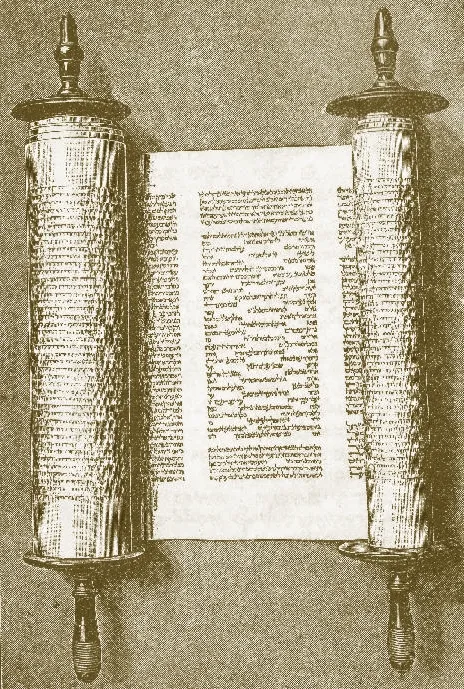
"The Torah" / Wikimedia Commons (Public domain).
The Torah is the most important section of the Hebrew Bible and has shaped the beliefs and daily life of the Jewish people for over 2,500 years. Also known as the Pentateuch, the Torah includes the first five books: Genesis, Exodus, Leviticus, Numbers, and Deuteronomy. These texts describe the origins of the Israelites, their laws, and their special relationship with their God, called a covenant. The Torah’s stories and laws have influenced many societies, including those far beyond ancient Israel.
The Torah was likely written and compiled between the 12th and 5th centuries BCE. Archaeologists have found ancient copies, such as the Dead Sea Scrolls, which date to around 200 BCE. These discoveries show that the texts of the Torah have been carefully preserved for centuries. The Torah tells how Abraham, the first patriarch, left Mesopotamia for Canaan, and how Moses led the Israelites out of slavery in Egypt, an event called the Exodus. According to the Bible, Moses received the Ten Commandments, a set of fundamental laws, at Mount Sinai. This event is a key moment in Jewish history and is mentioned in both written records and oral traditions.
The Torah provides detailed laws and instructions that shaped ancient Israel’s society. It includes rules about justice, food, holidays, and how people should treat one another. These rules formed the basis of Jewish religious practice and social order. For example, the commandment to "remember the Sabbath day and keep it holy" led to the weekly day of rest that is still important to Jewish communities today. The Torah also describes a social hierarchy, with priests, judges, and elders holding important roles. Archaeological evidence from sites like Lachish and Jerusalem supports the existence of such leaders and a structured society in ancient Israel.
Over time, the Torah’s influence spread beyond the Jewish people. It shaped the development of Christianity and Islam, both of which share stories and teachings with the Hebrew Bible. The Torah’s emphasis on justice, community, and faith continues to inspire people today. Because the Torah connects the Israelites’ history to their land, it also reflects the importance of geography in shaping ancient civilizations. Despite debates among scholars about some details, the Torah remains a powerful source for understanding the values and beliefs of ancient Israel.
Studying the Torah helps historians connect ancient Israel to larger patterns of religion, law, and society across civilizations.
Interesting Fact: The Torah is traditionally read aloud in Jewish synagogues from handwritten scrolls, and special silver pointers called "yad" are used so the parchment is not touched by hand.
What are the first five books called?
TorahQuranVedasEpics
Who led the Israelites out of Egypt?
MosesDavidSolomonAbraham
Where did Abraham travel from?
MesopotamiaGreeceRomePersia
What did Moses receive at Mount Sinai?
Ten CommandmentsTorah scrollBook of PsalmsSabbath
How did the Torah affect Jewish society?
Formed laws and practicesEnded their religionMade them nomadsNone of these
Why is the Sabbath important?
Day of rest each weekNew year celebrationHarvest festivalFast day
The Torah is read aloud in synagogues. True or false?
TrueFalse
What is a covenant?
Special promise or agreementAncient cityJewish holidayType of scroll
Perfect For:
👩🏫 Teachers
• Reading comprehension practice
• Auto-graded assessments
• Literacy skill development
👨👩👧👦 Parents
• Reading practice at home
• Comprehension improvement
• Educational reading time
🏠 Homeschoolers
• Reading curriculum support
• Independent reading practice
• Progress monitoring
Reading Features:
📖
Reading Passage
Engaging fiction or nonfiction text
❓
Comprehension Quiz
Auto-graded questions
📊
Instant Feedback
Immediate results and scoring
📄
Printable Version
Download for offline reading
🔊
Read Aloud
Voice-over with word highlighting
Reviews & Ratings
No reviews yet. Be the first to share your experience!
Related Content
Ancient Civilizations and the Environment
This engaging history reading passage explores how ancient civilizations such as Mesopotamia, Egypt, and the Maya adapte...
Gender Roles in Ancient Civilizations
This engaging history reading passage explores the roles of men and women in various ancient civilizations, including Me...
Writing Prompts Ancient Civilizations
Step into the shoes of an archaeologist with this engaging worksheet focused on ancient civilizations. Students will be ...
W.5.2.A-2W.5.1.CW.5.1.D
Power and Authority in Ancient Civilizations
This passage explores the roles of men in positions of power within ancient civilizations, focusing on their authority i...
Evidence in Ancient History
This engaging history reading passage investigates how archaeologists and historians discover clues about how ancient pe...
Ancient Monarchy
This reading passage explores the concept of monarchy in ancient civilizations, focusing on the origins, structure, and ...
Ancient Theocracy
This engaging history reading passage explores the concept of theocracy in ancient civilizations, where priests and reli...
Ancient Mathematics
This passage explores the essential role of mathematics in ancient civilizations, including Mesopotamia, Egypt, Greece, ...
Ancient Canaan
This educational passage explores the land of Canaan, the historical homeland of the ancient Israelites. Students will l...
Ancient Money Barter
This passage explores the fascinating evolution from barter to the earliest coins in ancient civilizations, focusing on ...
Ancient Science and Medicine
This comprehensive reading passage explores the development of science and medicine in ancient civilizations, including ...
Ancient Literature
This passage explores the importance of ancient stories and poems from civilizations such as Greece, India, and Israel. ...
Ancient Agriculture Farming
This passage explores the transformative impact of farming on ancient societies, examining how the Neolithic Revolution ...
Ancient Writing Systems
This engaging history reading passage explores the origins and evolution of ancient writing systems, including cuneiform...
Geography of Ancient Israel
This passage explores the rich geography of Ancient Israel, focusing on how landforms, climate, and natural resources sh...
Slavery Across Civilizations
This detailed history reading passage explores the role and impact of slavery across several ancient civilizations, incl...
Social Classes in Ancient Societies
This passage explores the concept of social hierarchies in ancient civilizations, focusing on why societies such as Meso...
Social structures in Ancient World
This passage explores the organization and significance of family life in ancient societies, focusing on how extended fa...
Polytheism and Monotheism in Ancient Times
This passage explores the religious beliefs of ancient civilizations, focusing on the differences and similarities betwe...
Women in Ancient Societies
This reading passage explores the complex roles of women in the ancient world, focusing on civilizations such as Mesopot...