What Is a Civilization
Interactive passage with audio narration, comprehension questions, and printable PDF.
By completing this purchase you agree to our Terms of Use and Privacy Policy. Your subscription renews automatically until you cancel. You can cancel anytime from your account settings. All sales are final and non-refundable. Digital content is available for download in your account immediately upon purchase.
What's included
Part of this bundle

What Is a Civilization preview and details
About this printable What Is a Civilization reading passage (Grades 6-8)
Sample passage and quiz from What Is a Civilization
Reading passage and comprehension quiz preview
What Is a Civilization
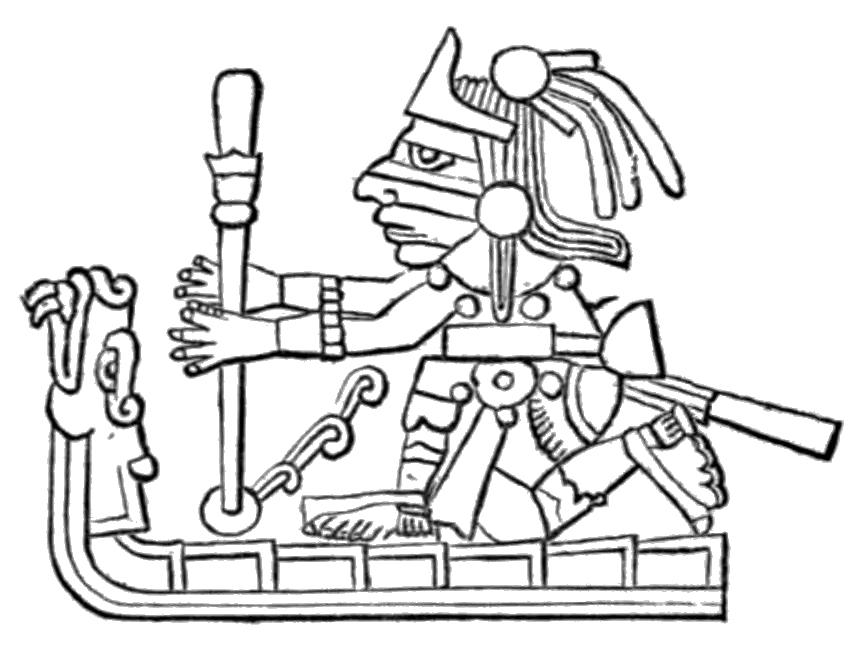
Illustration from the book Researches into the early history of Mankind and the development of Civilization (1878) by Edward Burnett Tylor / Wikimedia Commons
In 4000 BCE, the first civilizations began to appear in different parts of the world, marking a major turning point in human history. These civilizations developed along major rivers, including the Tigris and Euphrates in Mesopotamia, the Nile in Egypt, the Indus in South Asia, and the Yellow River in China. The fertile land near these rivers allowed people to practice agriculture, which created food surpluses and supported growing populations. With more resources, societies could build cities, develop writing systems, and form complex governments.
One of the earliest known civilizations was Sumer, located in southern Mesopotamia (present-day Iraq). Archaeological evidence, such as clay tablets and ruins of ziggurats, shows that Sumerians built advanced cities like Uruk and Ur. They invented cuneiform, one of the earliest writing systems, to keep records of trade, laws, and religious ceremonies. These records are primary sources that help historians understand daily life, trade, and social structures of ancient Sumer. Sumerians also constructed large temples called ziggurats for religious rituals, showing the importance of religion in early societies.
In Egypt, the Nile River shaped every part of civilization. Annual floods deposited rich silt, making the land ideal for farming wheat and barley. The Egyptians developed a centralized government led by a pharaoh, who was both a king and a religious leader. Hieroglyphics, their unique writing system, were used to record laws, taxes, and stories. Pyramids and monuments, built as tombs and temples, reveal a strict social hierarchy with the pharaoh and priests at the top and farmers and laborers at the base. Archaeological finds, like the Narmer Palette, provide primary evidence of the unification of Upper and Lower Egypt around 3100 BCE.
The rise of early civilizations allowed people to specialize in different occupations, such as artisans, scribes, and merchants. This specialization led to trade and cultural exchange between regions. However, not all aspects of these societies were equal. Many early civilizations had social classes, with elite rulers and workers who had fewer rights. Over time, new inventions like the plow and the wheel changed how people lived and worked, showing both continuity and change in human societies. Geography played a crucial role, as access to rivers and fertile land determined where large communities could thrive.
The emergence of civilizations around 4000 BCE was significant because it set the foundation for later societies. The development of government, writing, and religion shaped how people organized their lives, solved problems, and remembered their histories. Understanding these early civilizations helps us see how geography, innovation, and social organization influence societies today.
Interesting Fact: The city of Uruk is believed to have had over 40,000 inhabitants by 3000 BCE, making it one of the largest urban centers of the ancient world.
Comprehension quiz (8 questions)
1. Which river was important for Egypt?
2. What did Sumerians invent for record keeping?
3. Who was the ruler of ancient Egypt?
4. Why did civilizations develop near rivers?
5. How did social hierarchy affect early societies?
6. What is a primary source?
7. The city of Uruk had 40,000 people by 3000 BCE. True or false?
8. What does 'agriculture' mean?
Perfect for the way you teach
- Build comprehension skills
- Auto-graded quiz
- Differentiated reading
- Read together at home
- Improve fluency
- Quiet reading time
- Reading curriculum support
- Independent practice
- Track Lexile growth