Chemical Properties of Matter
Interactive passage with audio narration, comprehension questions, and printable PDF.
By completing this purchase you agree to our Terms of Use and Privacy Policy. Your subscription renews automatically until you cancel. You can cancel anytime from your account settings. All sales are final and non-refundable. Digital content is available for download in your account immediately upon purchase.
What's included
Chemical Properties of Matter preview and details
About this printable Chemical Properties of Matter science reading passage, NGSS-aligned (Grades 5-8)
Sample passage and quiz from Chemical Properties of Matter
Reading passage and comprehension quiz preview
Chemical Properties of Matter
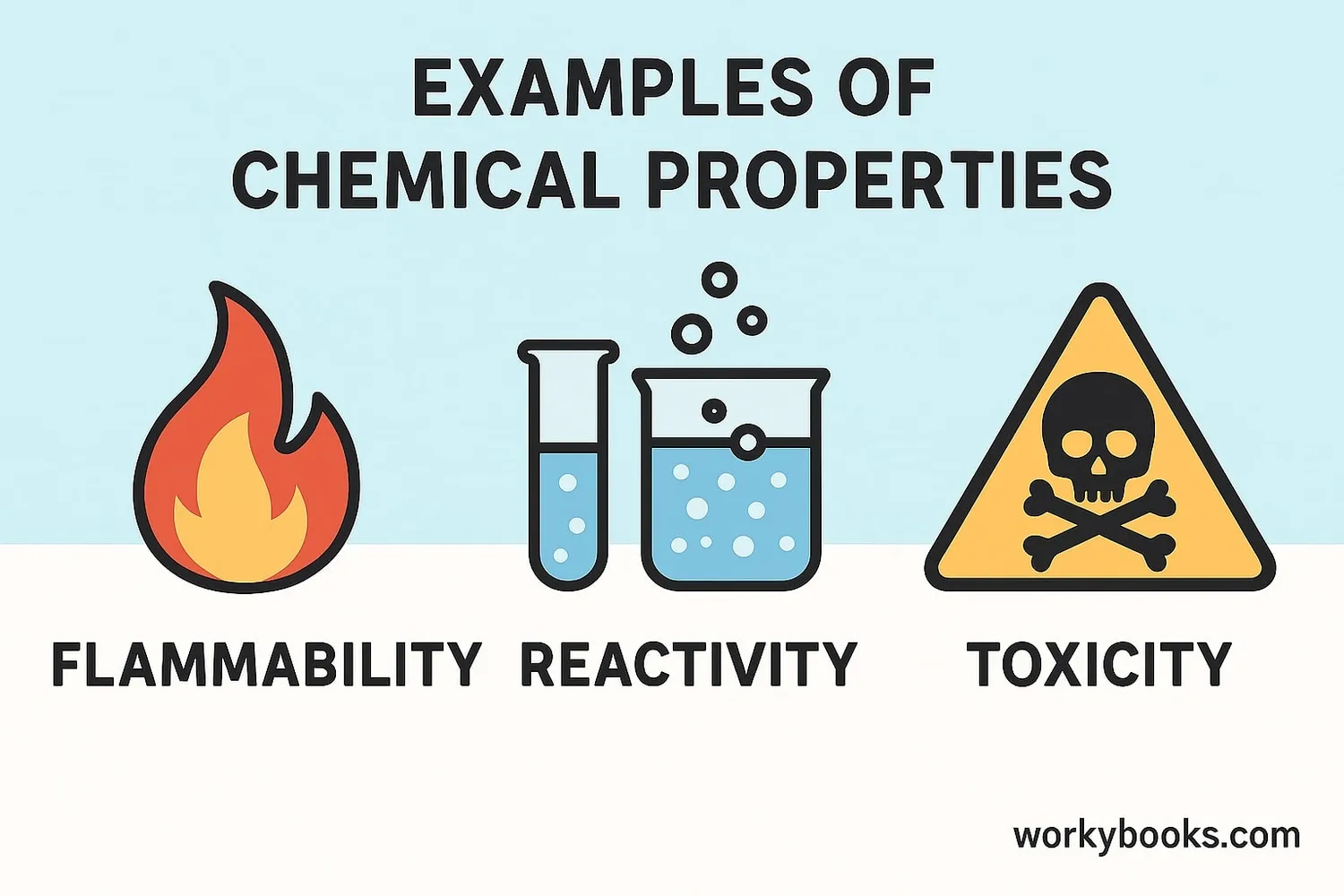
Chemical properties are special characteristics that can only be observed when a substance undergoes a chemical change. For example, the reason iron rusts but gold stays shiny is because of their different chemical properties. Understanding these properties helps scientists and engineers choose materials for specific uses, protect the environment, and keep people safe. The study of chemical properties also reveals how substances interact in nature and in technology.
How Chemical Properties Work
At the heart of a chemical property is the way a substance reacts with other substances. Flammability is a chemical property that describes how easily something burns in the presence of oxygen. For instance, gasoline has high flammability, while water does not burn at all. Reactivity is another key property, describing how a substance responds when it comes into contact with acids, water, or oxygen. Iron is reactive with oxygen and water, which causes it to form rust (iron oxide) over time. In contrast, gold is very unreactive, so it does not rust or tarnish even after many years. Toxicity is a chemical property that measures how harmful a substance is to living things when it undergoes a chemical change inside a body.
Examples of Chemical Properties in Action
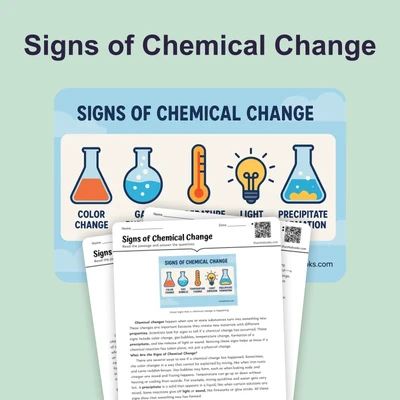
Chemical properties are observed during chemical changes. For example, when baking soda (sodium bicarbonate) is mixed with vinegar (acetic acid), a reaction occurs that produces carbon dioxide gas. This is why the mixture fizzes and bubbles. The ability of baking soda to react with acids is one of its chemical properties. The rate of this reaction can increase if the temperature is higher or if more baking soda is added. Another example is wood burning in a campfire. As wood burns, it reacts with oxygen in the air and produces heat, light, carbon dioxide, and ash. This process is not reversible, showing that a chemical change has taken place and the chemical properties of wood have been observed.
Applications and Importance of Chemical Properties
Chemical properties influence everything from material selection for buildings to food safety. Engineers avoid using reactive metals like iron in situations where rust would be dangerous, such as in bridges or water pipes. Scientists use knowledge of toxicity to prevent exposure to dangerous chemicals in the environment or in consumer products. Chemical properties also explain why some substances are used as fuels while others are used for storage or insulation. Understanding these properties allows us to predict and control reactions, solve environmental problems, and design safer products.
Chemical properties are central to all of chemistry. They help us understand how and why substances change, and how those changes affect the world. The study of chemical properties connects chemistry to biology, engineering, and environmental science, making it a foundation for understanding and improving our lives.
Interesting Fact:
The reason gold jewelry never rusts is because gold is one of the least reactive elements on Earth!
Comprehension quiz (10 questions)
1. What is a chemical property?
2. Which of the following is NOT a chemical property?
3. What happens when baking soda mixes with vinegar?
4. According to the passage, why does iron rust but gold does not?
5. Which word from the passage means 'the ability to burn'?
6. What does toxicity measure?
7. Why do engineers avoid using iron in bridges exposed to water?
8. Which of the following is an example of a chemical property in action?
9. True or False: Burning wood is an example of a chemical change.
10. True or False: Flammability is a physical property.
Perfect for the way you teach
- Build comprehension skills
- Auto-graded quiz
- Differentiated reading
- Read together at home
- Improve fluency
- Quiet reading time
- Reading curriculum support
- Independent practice
- Track Lexile growth