This learning resource is available in interactive and printable formats. The interactive worksheet can be played online and assigned to students. The Printable PDF version can be downloaded and printed for completion by hand.
This engaging science passage for grades 6-8 explores Antarctica, the coldest climate zone on Earth. Students will learn about Antarctica's extreme weather, unique wildlife, and the scientific importance of this icy continent. The passage explains key science vocabulary such as 'glacier', 'adaptation', and 'ecosystem', and discusses how living things survive in such harsh conditions. Real-world examples, like penguins and scientific research stations, help students connect concepts to everyday life. The passage aligns with NGSS science standards and includes a glossary, reading comprehension quiz, and writing activities to promote critical thinking. This resource features audio integration and is ideal for classroom or independent learning. Keywords: Antarctica, cold climate, polar region, adaptation, climate zone, NGSS.
CONTENT PREVIEW
Expand content preview
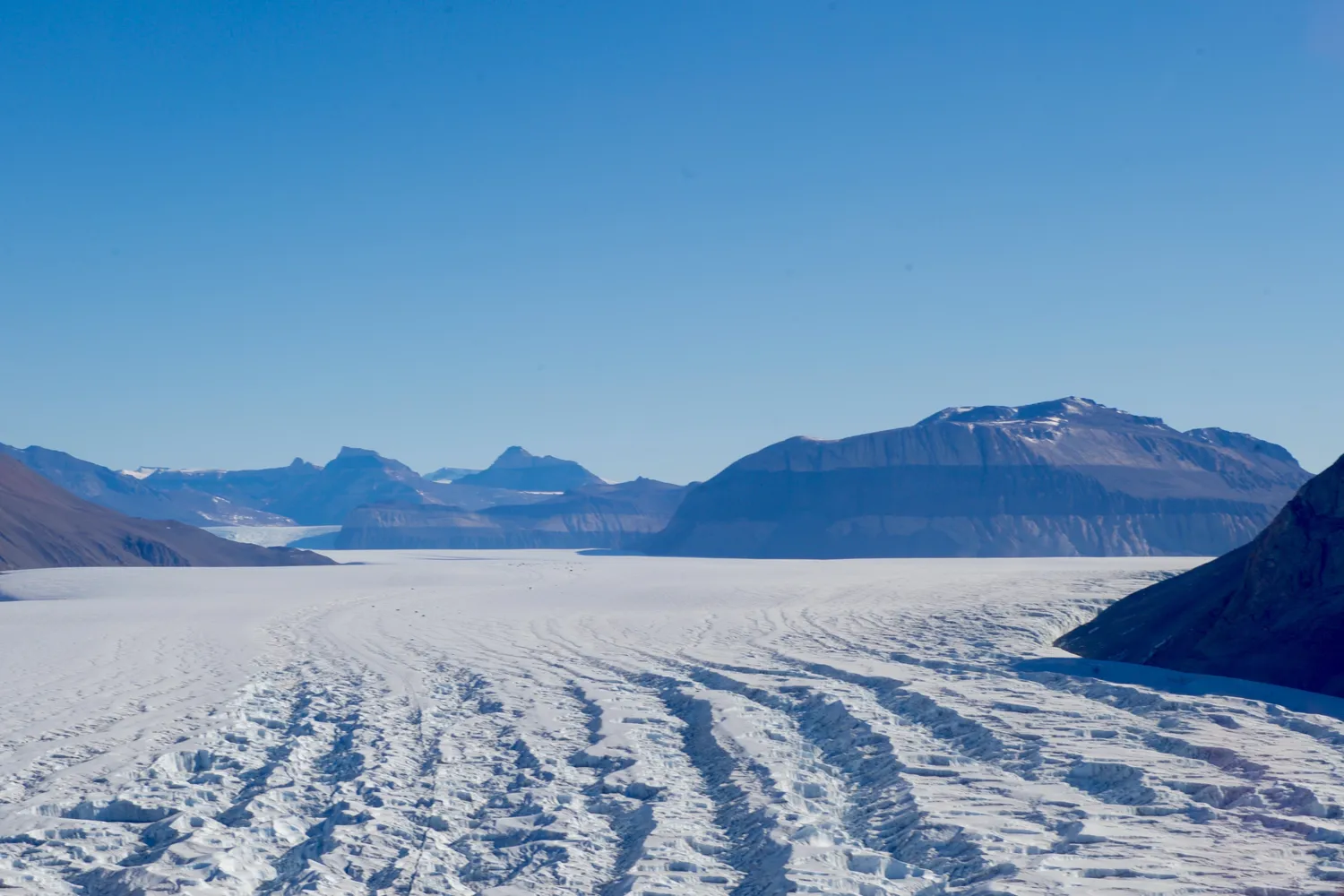
"Ice Flow in the McMurdo Dry Valleys in Antarctica (30279240524)" by U.S. Department of State from United States / Wikimedia Commons
Antarctica is the southernmost continent on our planet and is known as the coldest place on Earth. It is almost completely covered by thick layers of ice called ice sheets. These ice sheets are sometimes more than 4,000 meters deep! Antarctica is located around the South Pole and is surrounded by the Southern Ocean. This continent is much colder than the Arctic because it sits higher above sea level and is covered with more ice, which reflects sunlight away.
The climate in Antarctica is called a polar climate. A polar climate means it is extremely cold, dry, and windy most of the year. Temperatures in the winter can drop below -60°C (-76°F). In the summer, it rarely gets above freezing. It also receives very little precipitation, making it one of the driest places on Earth, almost like a desert made of ice!
Only a few living things can survive in Antarctica's harsh conditions. Animals like penguins, seals, and certain types of birds have special adaptations to help them live there. An adaptation is a special feature or behavior that helps an organism survive in its environment. For example, emperor penguins have a thick layer of fat and tightly packed feathers to keep them warm. Seals have blubber to protect them from the cold water. Most plants cannot survive, but some tiny mosses and lichens grow on rocks where it is slightly warmer.
Antarctica is also important for science. Scientists from all over the world travel there to study its ecosystem, climate, and glaciers. A glacier is a large mass of moving ice. Studying Antarctica helps scientists understand climate change and how our planet is changing over time. The ice in Antarctica locks away clues about Earth’s past climate, including bubbles of ancient air trapped in the ice.
Even though people do not live in Antarctica permanently, there are research stations where scientists stay for part of the year. These stations are built to handle the extreme cold and strong winds. Supplies must be brought in by ship or plane.
Interesting Fact: The largest iceberg ever recorded broke off from Antarctica in 2000 and was bigger than the island of Jamaica!
Where is Antarctica located?
Around the South PoleAt the EquatorAround the North PoleNear Africa
What covers most of Antarctica?
Ice sheetsForestsSand dunesMountains
What is a glacier?
A moving mass of iceA type of penguinA desert plantAn ocean current
Why is Antarctica drier than most deserts?
It gets little precipitationIt is always sunnyIt is below sea levelIt has many plants
How do emperor penguins stay warm?
Blubber and feathersDrinking hot waterLiving in treesBuilding fires
What helps scientists study Earth's past climate?
Ice sheets with air bubblesDesert sandOcean saltRainfall
Antarctica is always warm. True or false?
TrueFalse
What is adaptation?
A feature to surviveA kind of plantA research stationA type of ice
Perfect For:
👩🏫 Teachers
• Reading comprehension practice
• Auto-graded assessments
• Literacy skill development
👨👩👧👦 Parents
• Reading practice at home
• Comprehension improvement
• Educational reading time
🏠 Homeschoolers
• Reading curriculum support
• Independent reading practice
• Progress monitoring
Reading Features:
📖
Reading Passage
Engaging fiction or nonfiction text
❓
Comprehension Quiz
Auto-graded questions
📊
Instant Feedback
Immediate results and scoring
📄
Printable Version
Download for offline reading
🔊
Read Aloud
Voice-over with word highlighting
Reviews & Ratings
No reviews yet. Be the first to share your experience!
Related Content
Climate and weather activity
This worksheet is perfect for understanding the differences between climate and weather. Students will read the phrases ...
Climate and Weather — Distinguishing Characterstics
This worksheet highlights the differences between climate and weather. The chart format makes comparing and contrasting ...
Comparing Weather and Climate Texts
This reading comprehension worksheet has 5th graders read two informational texts about Weather and Climate. Students th...
RI.5.9
Tools and Technology in Earth Science
This middle school science reading passage explores the wide range of tools and technologies used in Earth science, from...
MS-ESS2-2MS-ESS3-2MS-ETS1-1MS-PS4-3
What Is Space Weather and How Does It Affect the Earth?
This NGSS-aligned science passage for middle school explains what space weather is and how it affects Earth. Students le...
MS-ESS2-2
What Is Earth Science?
This engaging middle school science passage introduces students to the field of Earth science, aligning with NGSS standa...
MS-ESS1MS-ESS2MS-ESS3SEP
Extreme Weather and Climate Change
This Grade 6-8 science passage, aligned to NGSS standards, explores the impact of climate change on extreme weather even...
What Is The Difference Between Climate Model And Weather Model?
This reading passage delves into the fundamental differences between weather models and climate models, explaining their...
Scientific Inquiry in Earth Science
This passage explores scientific inquiry in Earth science for grades 6-8, aligned with NGSS standards MS-ESS1-4, MS-ESS2...
MS-ESS1-4MS-ESS2-1MS-ESS3-5SEP
Earth's Major Climate Zones Explained
This engaging science passage for grades 6-8 explains Earth's major climate zones, including tropical, temperate, and po...
Climate Through Earth's History
This engaging passage for grades 6-8 explores how Earth's climate has naturally changed over millions of years, highligh...
MS-ESS1-4MS-ESS2-6
Earth: Our Home in Space
This engaging Grade 4-5 science passage, aligned to NGSS, introduces students to Earth's special place in the solar syst...
Weather vs. Climate
This comprehensive passage for grades 6-8 explores the difference between weather and climate, aligning with NGSS standa...
MS-ESS2-6
How is Climate Different from Weather?
This passage distinguishes climate from weather for young readers. It defines climate as the usual weather patterns over...
RI.3.1RI.4.14.ESS2.D
Air Masses and Weather
This audio-integrated passage, "Air Masses and Weather," is designed for 6th-grade students to understand how the moveme...
Climate Zones Word Sort
This word sort activity helps students understand different climate zones through real-world locations. Students classif...
Escape Velocity and Space Travel
This middle school science passage introduces students to the concept of escape velocity—the minimum speed required to b...
MS-ESS1-2MS-PS2-4
Polar Bears and Climate
This informational text on polar bears is a great way to practice reading comprehension. Students will read the passage ...
RI.4.1W.4.72-LS4-1RF.4.4
How Climate Change Affects Weather
This middle school science passage explores how and why weather patterns are changing globally. Students will learn abou...