This learning resource is available in interactive and printable formats. The interactive worksheet can be played online and assigned to students. The Printable PDF version can be downloaded and printed for completion by hand.
This engaging Grade 4-5 science passage, aligned to NGSS, introduces students to Earth's special place in the solar system. Students will learn about Earth's layers, the role of its atmosphere, gravity, and how these features make life possible. Key science vocabulary is highlighted and defined for easy understanding. Real-world examples and fun facts help students connect scientific concepts to their everyday experiences. The passage is audio integrated for accessible learning and includes a Spanish translation for multilingual classrooms. Multiple-choice quiz and writing activities support comprehension, critical thinking, and writing skills. This resource is perfect for classroom or homework use, reinforcing science standards and vocabulary acquisition. Keywords: Earth, solar system, gravity, planet, NGSS, atmosphere.
CONTENT PREVIEW
Expand content preview
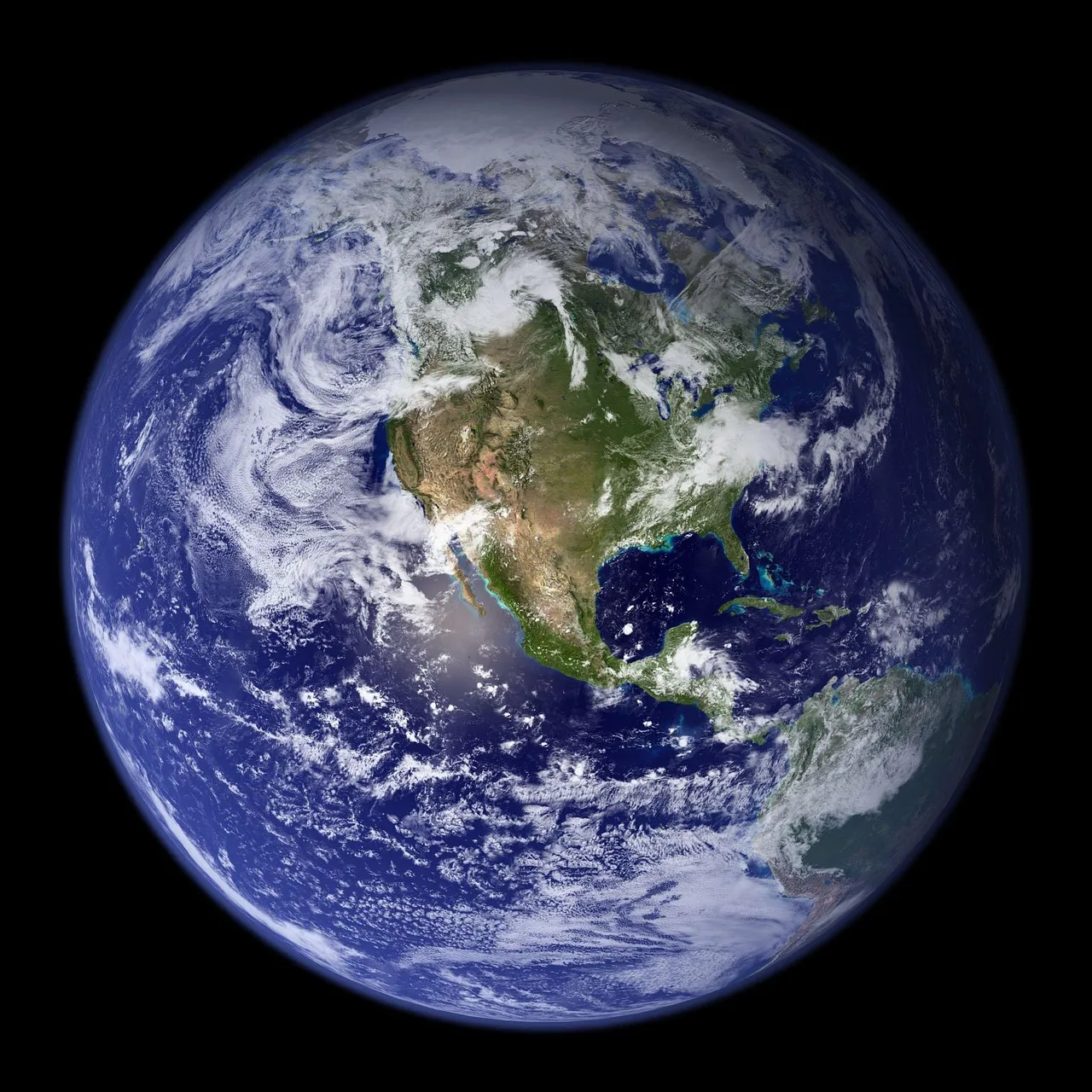
"The Earth" by WikiImages / Pixabay.
Earth is the third planet from the Sun in our solar system. It is the only planet we know that supports life. Earth is special because it has water, air, and the right temperature for living things to survive.
The Earth is made up of several layers. The outer layer is called the crust, where we live. Below the crust is the mantle, which is made of hot, soft rocks. The center of the Earth is called the core. The core is very hot and made mostly of iron and nickel.
Earth has an atmosphere, which is a layer of gases that surrounds the planet. The atmosphere protects us from the Sun's harmful rays and keeps Earth warm. It also gives us the oxygen we need to breathe.
One important force on Earth is gravity. Gravity pulls everything toward the center of the planet. This is why we stay on the ground and why objects fall when dropped. The Moon orbits Earth because of gravity too.
Earth also rotates, or spins, on its axis. It takes 24 hours for Earth to make one full turn, which causes day and night. As Earth moves around the Sun, we have different seasons like summer, autumn, winter, and spring.
Earth’s special features, such as water, atmosphere, and gravity, make it the perfect place for plants, animals, and people to live.
Interesting Fact:Earth is the only planet in our solar system known to have liquid water on its surface!
Which planet is Earth from the Sun?
ThirdFirstFifthSeventh
What surrounds Earth and keeps it warm?
AtmosphereOceansMountainsForests
What is the center of Earth called?
CoreCrustMantleAxis
Why do we have day and night?
Earth rotatesSun movesMoon rotatesClouds move
How does gravity affect us on Earth?
Keeps us on groundMakes it rainGrows plantsChanges seasons
Why is Earth special for life?
Has water and airIs very hotIs closest to SunIs made of metal
No reviews yet. Be the first to share your experience!
Related Content
Tools and Technology in Earth Science
This middle school science reading passage explores the wide range of tools and technologies used in Earth science, from...
MS-ESS2-2MS-ESS3-2MS-ETS1-1MS-PS4-3
Earth's Place in the Universe
This reading passage explains Earth's place in the universe, supporting NGSS 1-ESS1-1. It describes how Earth is one of ...
1-ESS1-1
Scientific Inquiry in Earth Science
This passage explores scientific inquiry in Earth science for grades 6-8, aligned with NGSS standards MS-ESS1-4, MS-ESS2...
MS-ESS1-4MS-ESS2-1MS-ESS3-5SEP
What Is Space Weather and How Does It Affect the Earth?
This NGSS-aligned science passage for middle school explains what space weather is and how it affects Earth. Students le...
MS-ESS2-2
Escape Velocity and Space Travel
This middle school science passage introduces students to the concept of escape velocity—the minimum speed required to b...
MS-ESS1-2MS-PS2-4
Space Stations
This informational science reading passage for grades 6-8 explores the complex systems and technology behind space stati...
MS-ESS1-3MS-ETS1-1
What Is Earth Science?
This engaging middle school science passage introduces students to the field of Earth science, aligning with NGSS standa...
MS-ESS1MS-ESS2MS-ESS3SEP
The Space Garden
This innovative passage combines plant science with space exploration, aligning with NGSS standards for life sciences an...
RL.3.1RL.2.1RL.4.9
Measuring Distances in Space
This middle school science passage explores how astronomers measure the vast distances in space, aligning with NGSS stan...
MS-ESS1-3
Earth: Our Home Planet
This comprehensive science passage for grades 6-8 explores Earth’s unique characteristics and the interconnected systems...
MS-ESS1-2
Meteorite Impacts on Earth
This engaging science reading passage for Grades 4-5 explores meteorite impacts on Earth, aligning with NGSS standards. ...
Exploring Space: Rockets and Spacecraft
Space exploration has been one of humanity's greatest achievements, made possible by rockets and spacecraft. Rockets act...
RI.4.4RI.4.2
Earth's Rotation
This middle school science passage, aligned with NGSS standard MS-ESS1-1, focuses on Earth's rotation—how Earth spins on...
MS-ESS1-1
Facts About Earth
This engaging science reading passage introduces Grade 4 and 5 students to Earth, our home planet. Aligned with NGSS sta...
Earth's Moon Facts
This engaging science passage, 'The Moon: Earth's Companion,' is designed for Grade 4-5 students and aligns with NGSS ge...
International Space Station
Discover the wonders of the International Space Station with this informative coloring page showcasing the orbiting outpost where astronauts live and work in space. As children color the complex modul...
Earth's Seasons
This comprehensive reading passage for grades 6-8 explains why Earth has seasons, revealing the scientific mechanisms be...
MS-ESS1-1
Venus: Earth's Twin?
This comprehensive science passage for grades 6-8 examines Venus—often called Earth's twin—by exploring its similarities...
MS-ESS1-2MS-ESS1-3
What Makes Earth Perfect for Life?
This Grade 4-5 science passage, aligned with NGSS standards, explores the essential features that make Earth the perfect...