Arabian Peninsula: Location And Characterics
Interactive passage with audio narration, comprehension questions, and printable PDF.
By completing this purchase you agree to our Terms of Use and Privacy Policy. Your subscription renews automatically until you cancel. You can cancel anytime from your account settings. All sales are final and non-refundable. Digital content is available for download in your account immediately upon purchase.
What's included
Arabian Peninsula: Location And Characterics preview and details
About this printable Arabian Peninsula: Location And Characterics science reading passage, NGSS-aligned (Grade 6)
Sample passage and quiz from Arabian Peninsula: Location And Characterics
Reading passage and comprehension quiz preview
Arabian Peninsula: Location and Characteristics
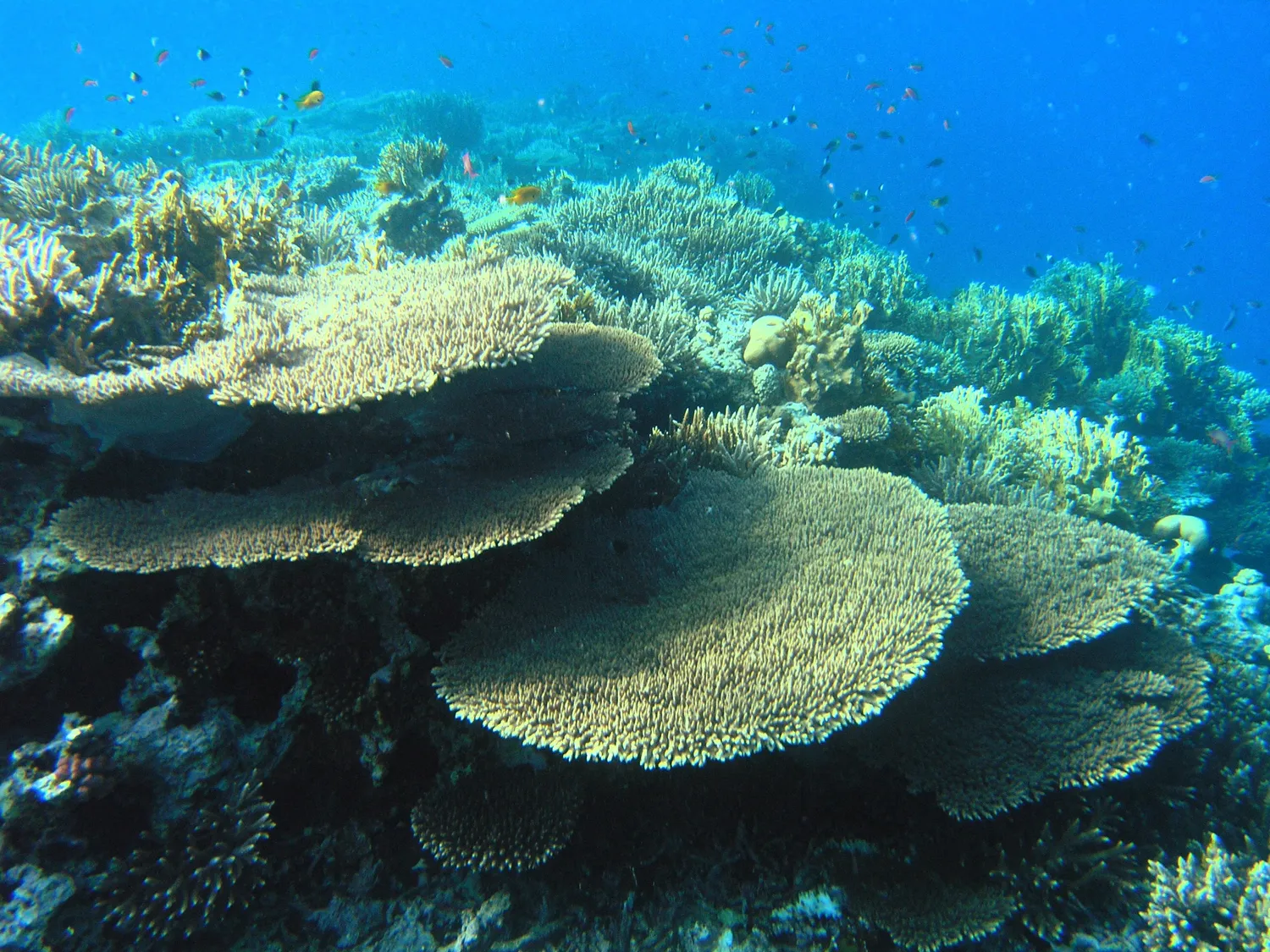
"Coral Reef in the Red Sea" by Mahmoud Habeeb / Wikimedia Commons.
Imagine a land where vast deserts meet sparkling seas, and ancient mountains stand tall, telling stories of Earth's powerful past. This is the Arabian Peninsula, a fascinating region in Southwest Asia, home to countries like Saudi Arabia, Yemen, Oman, UAE, Qatar, Kuwait, and Bahrain. Its location is truly unique, surrounded by important bodies of water that have shaped its history and geography. To the west, you'll find the Red Sea, a narrow waterway famous for its vibrant marine life. To the east lies the Persian Gulf, a busy route for trade and home to rich oil reserves. To the south, the Arabian Sea connects it to the vast Indian Ocean. These bodies of water aren't just borders; they are crucial parts of the peninsula's story, influencing its climate, culture, and economy.
The landforms of the Arabian Peninsula are incredibly diverse. While many people think of endless sand dunes, the region also features rugged mountain ranges and fertile coastal plains. The interior is dominated by immense sandy deserts, such as the Rub' al Khali, also known as the Empty Quarter, one of the largest sand deserts in the world. But how did these striking features, particularly the mountains and the unique shape of the Red Sea, come to be? The answer lies in Earth's powerful geological processes, specifically plate tectonics.
Plate tectonics is the scientific theory that Earth's outer layer, called the lithosphere, is broken into large, moving pieces called tectonic plates. These plates are constantly, though very slowly, shifting, colliding, and pulling apart. The Arabian Peninsula itself sits on the Arabian Plate. For millions of years, this plate has been moving northward, away from the African Plate. This separation caused the land to stretch and thin, creating a deep valley that eventually filled with water, forming the Red Sea. This type of geological feature, where Earth's crust pulls apart, is known as a rift valley. Over time, as the plates continued to move, sediments from the land were deposited, and volcanic activity shaped the landscape, contributing to the formation of the peninsula's mountains and plateaus.
The ongoing movement of the Arabian Plate continues to influence the region's geography, even today. Understanding plate tectonics helps us appreciate why certain geological features, like mountain ranges and seas, are located where they are. It’s a powerful reminder that our planet is always changing, shaped by forces deep beneath our feet.
Interesting Fact: The Red Sea is one of the youngest oceans on Earth, still actively widening by about 1 centimeter per year due to ongoing plate tectonic activity.
Comprehension quiz (10 questions)
1. Which sea is located to the west of the Arabian Peninsula?
2. The Arabian Peninsula is located in Southwest Asia. (True/False)
3. What is the Rub' al Khali known as?
4. What geological process explains the formation of the Red Sea?
5. Why is the Persian Gulf important for the Arabian Peninsula?
6. How does the movement of the Arabian Plate affect the Red Sea?
7. Which term describes Earth's outer layer broken into moving pieces?
8. If the Arabian Plate stopped moving, what might happen to the Red Sea?
9. What geological feature is formed when Earth's crust pulls apart?
10. What does 'plate tectonics' explain?
Perfect for the way you teach
- Build comprehension skills
- Auto-graded quiz
- Differentiated reading
- Read together at home
- Improve fluency
- Quiet reading time
- Reading curriculum support
- Independent practice
- Track Lexile growth