Shi Huangdi: First Emperor of China
Interactive passage with audio narration, comprehension questions, and printable PDF.
By completing this purchase you agree to our Terms of Use and Privacy Policy. Your subscription renews automatically until you cancel. You can cancel anytime from your account settings. All sales are final and non-refundable. Digital content is available for download in your account immediately upon purchase.
What's included
Shi Huangdi: First Emperor of China preview and details
About this printable Shi Huangdi: First Emperor of China reading passage (Grades 6-8)
Sample passage and quiz from Shi Huangdi: First Emperor of China
Reading passage and comprehension quiz preview
Shi Huangdi: First Emperor of China
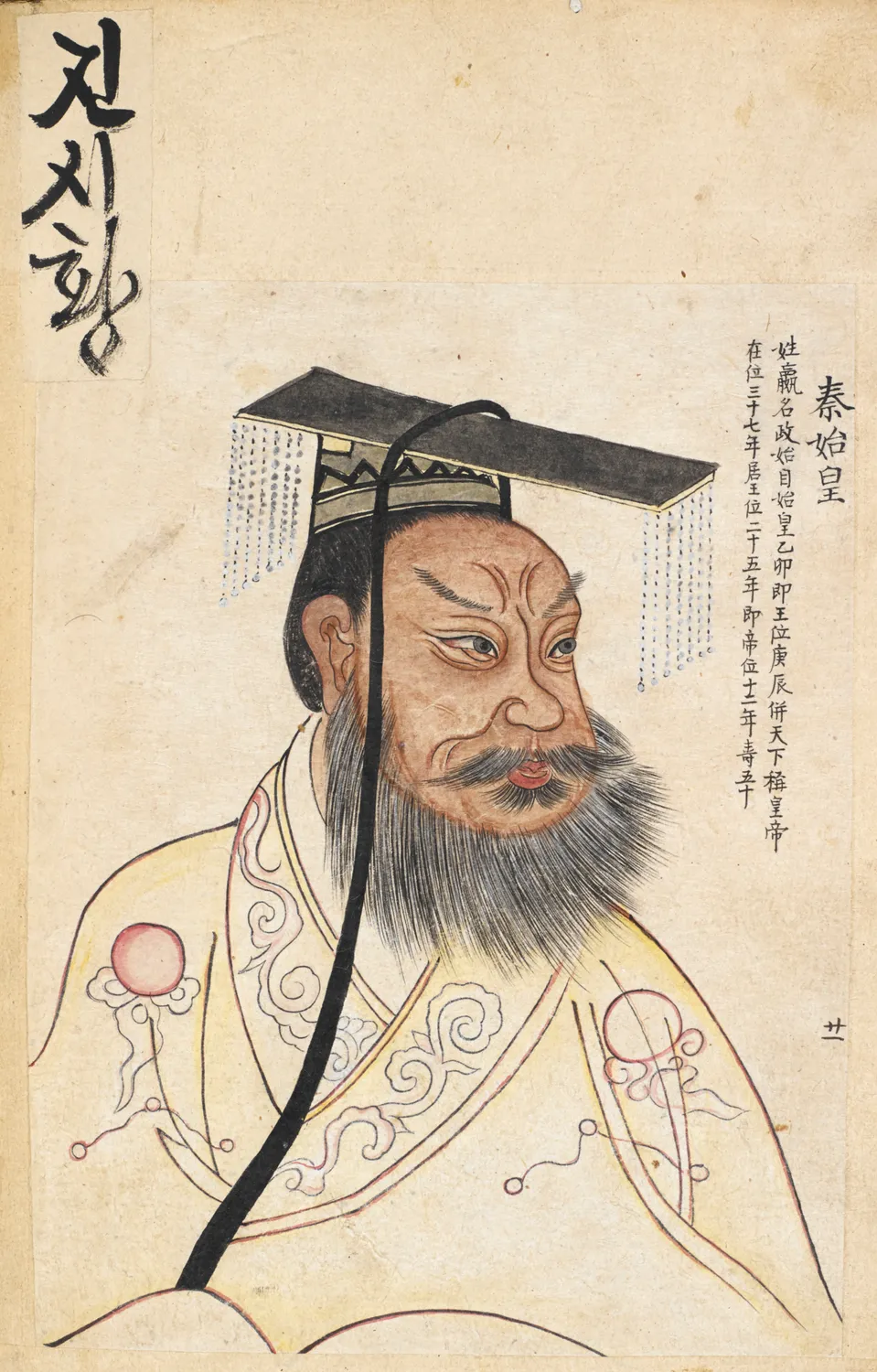
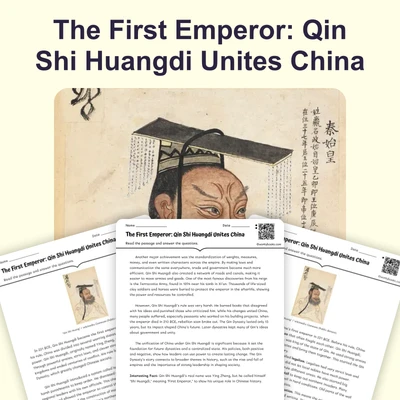
"Qin Shi Huang" / Wikimedia Commons (Public domain).
Shi Huangdi founded the Qin Dynasty and became the first emperor to unite China in 221 BCE. His given name was Ying Zheng, and as king of Qin, he conquered rival states during a period of constant warfare known as the Warring States Period. By defeating the other kingdoms, Shi Huangdi ended centuries of conflict and brought the regions along the Yellow and Yangtze Rivers under his rule. His rise marks one of the most influential turning points in ancient Chinese history.
Shi Huangdi’s government was highly centralized. He replaced the old feudal system, where local lords held power, with a system where officials were appointed by the emperor. This centralization allowed him to create a uniform set of laws, weights and measures, and even standardized written characters. Archaeological evidence, such as bronze weights and Qin coins, shows how daily life became more organized under his rule. The emperor’s policies helped connect people from different regions, creating a shared Chinese identity.
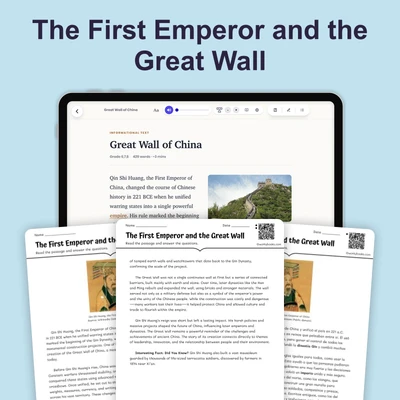
One of Shi Huangdi’s most famous achievements was the construction of the Great Wall of China. He ordered the linking of earlier walls built by northern states to protect against invasions from the Xiongnu and other nomadic groups. Workers, including soldiers, peasants, and prisoners, labored for years under harsh conditions. Ancient historian Sima Qian wrote about the suffering of those who built the wall, highlighting the human cost of the emperor’s ambitions. The wall became a symbol of both protection and the emperor’s absolute power.
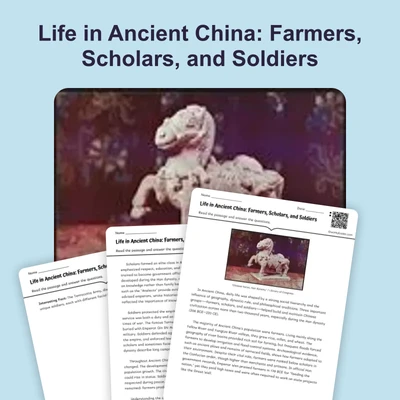
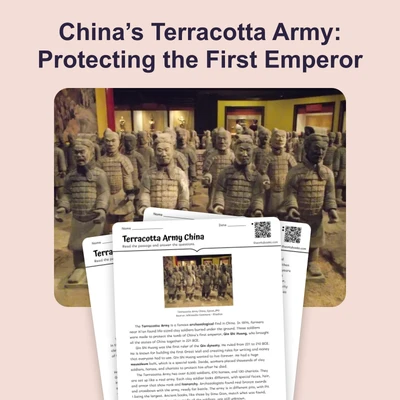
Shi Huangdi also left a lasting legacy through his enormous tomb, guarded by the famous Terracotta Army. Discovered in 1974 near the city of Xi’an, these thousands of life-sized clay soldiers and horses reflect advanced craftsmanship and the emperor’s desire for immortality. The tomb’s vastness demonstrates the resources and organization of the Qin state. However, Shi Huangdi’s rule was also harsh. He enforced strict legalist laws, burned books that opposed his ideas, and punished those who resisted his authority.
The reign of Shi Huangdi changed China forever. His reforms laid the foundation for later dynasties, and his unification of China influenced its culture, language, and government for centuries. While some historians criticize his cruelty, others recognize the stability and order he brought. Shi Huangdi’s story shows how geography, ambition, and leadership can shape civilizations.
Interesting Fact: Shi Huangdi survived several assassination attempts, leading him to search for magical elixirs of immortality and build secret tunnels beneath his palace.
Comprehension quiz (8 questions)
1. Who was the first emperor of China?
2. What was the main purpose of the Great Wall?
3. Which dynasty did Shi Huangdi found?
4. How did Shi Huangdi standardize China?
5. What was a result of centralization?
6. Why did workers suffer building the Great Wall?
7. Shi Huangdi ruled with strict legalist laws. True or false?
8. What does 'dynasty' mean?
Perfect for the way you teach
- Build comprehension skills
- Auto-graded quiz
- Differentiated reading
- Read together at home
- Improve fluency
- Quiet reading time
- Reading curriculum support
- Independent practice
- Track Lexile growth