How Earthquakes Affect People
Interactive passage with audio narration, comprehension questions, and printable PDF.
By completing this purchase you agree to our Terms of Use and Privacy Policy. Your subscription renews automatically until you cancel. You can cancel anytime from your account settings. All sales are final and non-refundable. Digital content is available for download in your account immediately upon purchase.
What's included
How Earthquakes Affect People preview and details
About this printable How Earthquakes Affect People science reading passage, NGSS-aligned (Grades 3-5)
Sample passage and quiz from How Earthquakes Affect People
Reading passage and comprehension quiz preview
How Earthquakes Affect People
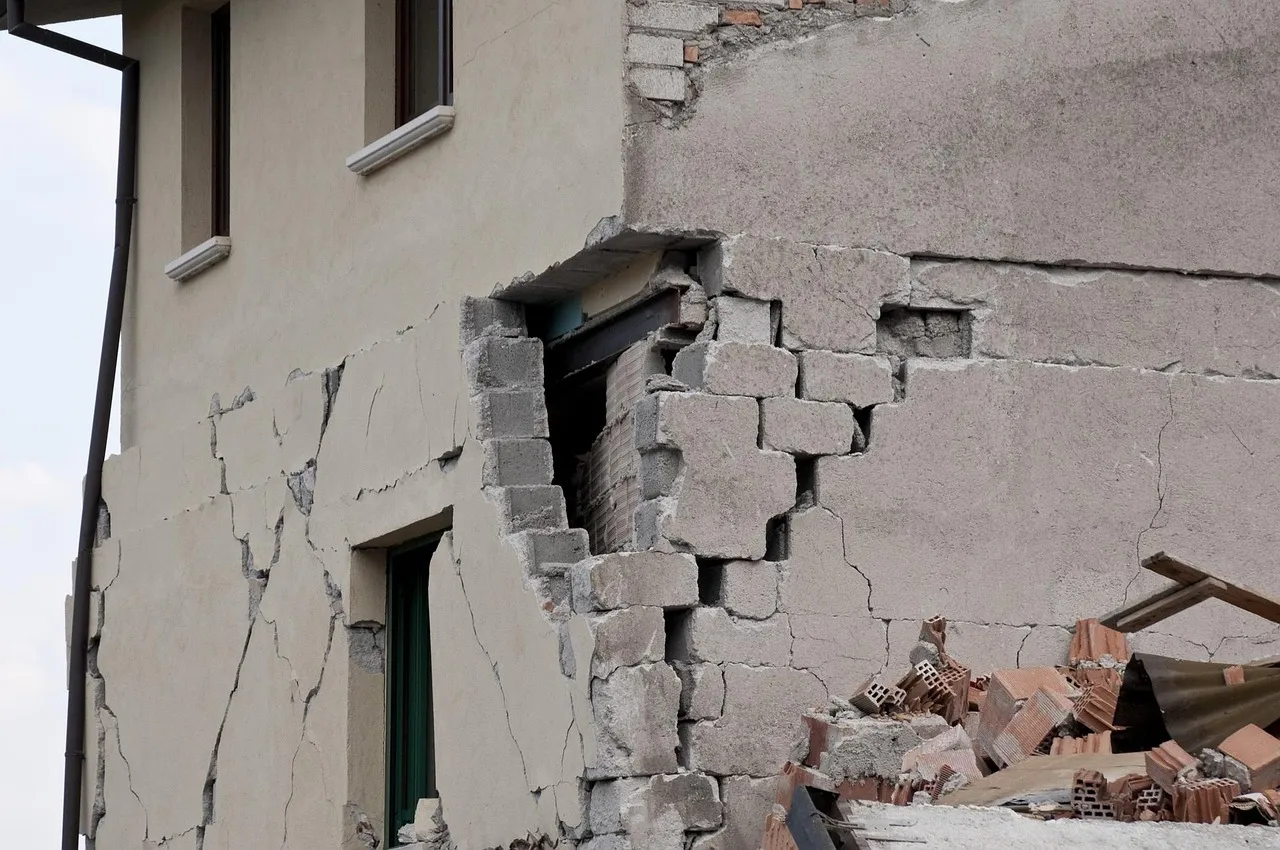
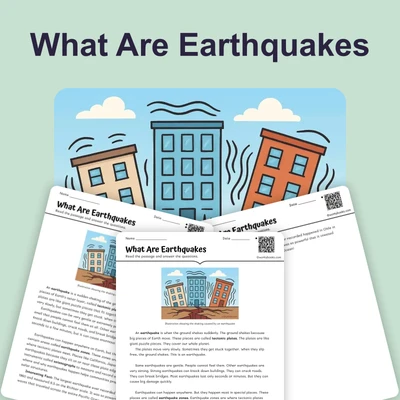
An earthquake is a sudden shaking of the ground caused by movements deep inside Earth. Earthquakes matter because they can cause serious harm to people and communities, especially in areas where they happen often.
Strong earthquakes can destroy buildings where people live and work. Homes, schools, hospitals, and roads can be badly damaged or completely collapse. When buildings fall apart, people inside can be injured by falling objects like bricks, glass, and pieces of walls. A structure is any building or thing that has been built, and when structures collapse during an earthquake, they create dangerous situations.
Earthquakes also damage important systems that people need every day. Underground water pipes can crack and break, leaving communities without clean drinking water. Gas lines can rupture, which means they break open and leak dangerous gas that can cause fires or explosions. Power lines often snap, so people lose electricity for their lights, refrigerators, and heaters.
After a large earthquake, life becomes very difficult. People may not have safe shelter, clean water, or electricity for days or even weeks. An aftershock is a smaller earthquake that happens after the main earthquake, and these can damage buildings that are already weak.
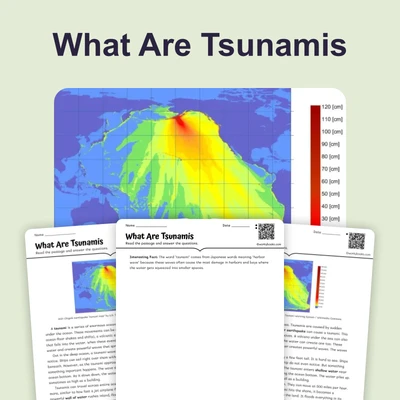
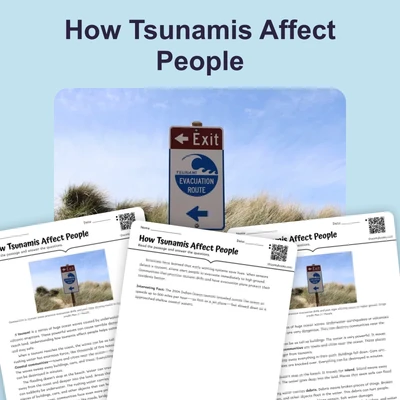
Earthquakes can also trigger other dangers. They can cause landslides, which happen when soil and rocks slide down hills or mountains. Near oceans, earthquakes can create giant waves called tsunamis that flood coastal areas.
Because earthquakes strike without warning, communities in earthquake zones must plan ahead. They need emergency supplies, strong buildings, and practiced safety plans to protect people when earthquakes happen.
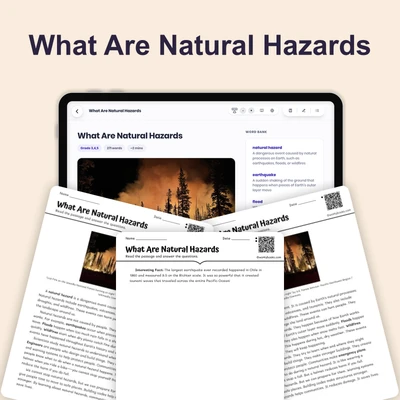
Interesting Fact: The largest earthquake ever recorded happened in Chile in 1960 and measured 9.5 on the Richter scale. It was so powerful that it created tsunamis that traveled all the way across the Pacific Ocean to Japan!
Comprehension quiz (8 questions)
1. What is an earthquake?
2. What can happen to buildings during earthquakes?
3. What happens when water pipes break?
4. Why are broken gas lines dangerous?
5. What other danger can earthquakes cause?
6. Why must communities in earthquake zones plan?
7. Earthquakes can happen without any warning.
8. What is an aftershock?
Perfect for the way you teach
- Build comprehension skills
- Auto-graded quiz
- Differentiated reading
- Read together at home
- Improve fluency
- Quiet reading time
- Reading curriculum support
- Independent practice
- Track Lexile growth