This learning resource is available in interactive and printable formats. The interactive worksheet can be played online and assigned to students. The Printable PDF version can be downloaded and printed for completion by hand.
This engaging 250-word reading passage introduces fourth-grade students to avalanches and their impact on mountain communities. Aligned with NGSS standard 4-ESS3-2, the passage explains how avalanches are large masses of snow that suddenly slide down mountainsides. Students learn about the various triggers of avalanches, including heavy snowfall, warming temperatures, wind, and even loud sounds. The passage describes how avalanches gain speed and collect more snow as they rush downhill, creating dangerous conditions that can bury roads, destroy buildings, and trap people. Students discover why mountainous areas where people ski, hike, or live are particularly vulnerable to avalanche danger. The passage emphasizes the importance of avalanche warnings in helping people avoid dangerous areas. Audio-integrated features support diverse learners, while bold vocabulary terms and clear definitions build scientific literacy. This resource includes a simplified differentiated version, Spanish translations, glossary, comprehension questions, writing activities, and graphic organizers to support comprehensive understanding of natural hazards and human impact on Earth systems.
CONTENT PREVIEW
Expand content preview
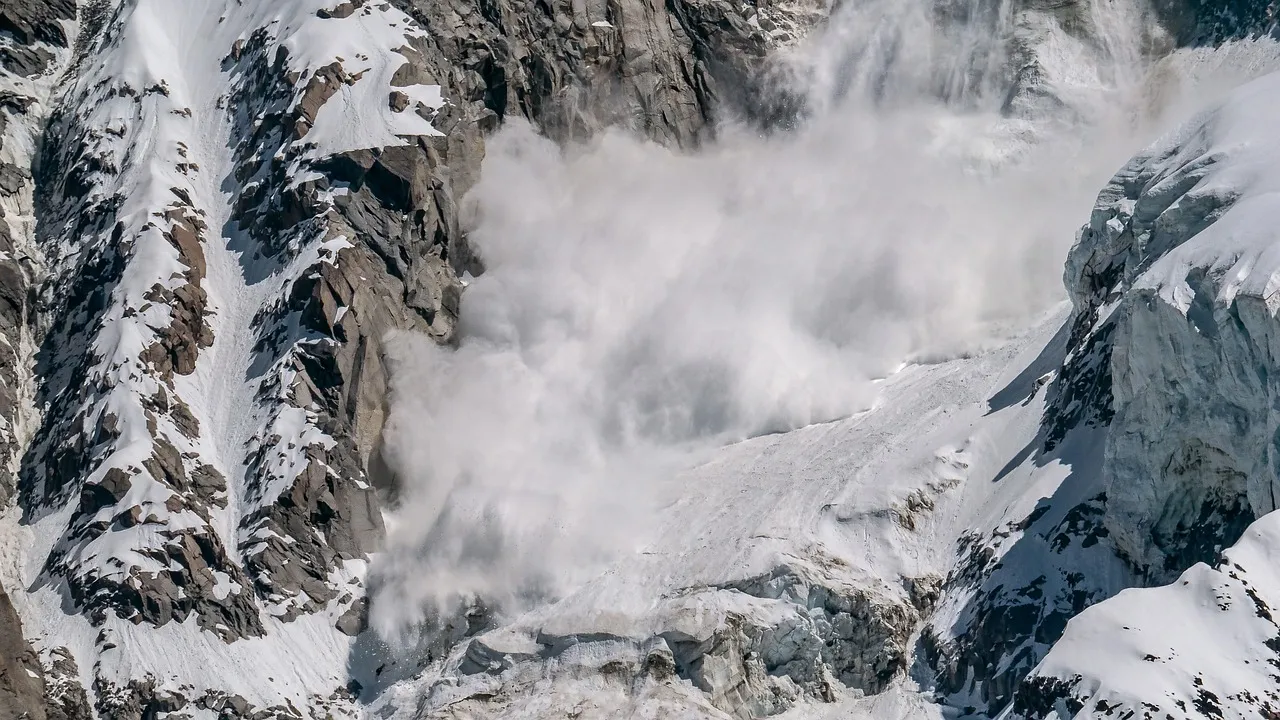
An avalanche is a large amount of snow that suddenly breaks loose and slides down a mountain very fast.. Image credit jacky73490 / Pixabay.
An avalanche is a large mass of snow that suddenly slides down a mountainside. Avalanches happen when snow becomes unstable and breaks loose from the slope. Understanding avalanches is important because they can cause serious damage and harm to people living in or visiting mountain areas.
Several things can trigger, or start, an avalanche. Heavy snowfall adds weight to the snow already on the mountain, making it more likely to slide. Warming temperatures can melt the bottom layer of snow, creating a slippery surface. Strong winds can pile snow unevenly on slopes, creating weak spots. Even loud sounds, like thunder or explosions, can shake the snow enough to start an avalanche. Think of it like stacking blocks—if you add too many or bump the tower, it falls down.
Once an avalanche starts, it picks up speed quickly as it rushes downhill. The moving snow collects more snow along the way, growing larger and heavier. This is similar to rolling a small snowball down a hill and watching it grow bigger. Avalanches can reach speeds of 80 miles per hour and bury everything in their path under many feet of heavy snow.
Avalanches are most dangerous in mountainous areas where people ski, hike, or live in valleys below steep slopes. They can bury roads, destroy buildings, and trap people under snow. Avalanche warnings are alerts that tell people when conditions are dangerous. These warnings help people stay out of risky areas and save lives.
Interesting Fact: The largest avalanche ever recorded happened in 1970 in Peru, when an earthquake triggered a massive snow and ice slide that traveled 11 miles down a mountain!
What is an avalanche?
A large snowstorm on a mountainSnow sliding down a mountainsideIce forming on a mountainA mountain covered with snow
What can trigger an avalanche?
Only heavy snowfallOnly warming temperaturesHeavy snow, warm temperatures, or soundsOnly earthquakes
How fast can avalanches move?
20 miles per hour50 miles per hour80 miles per hour100 miles per hour
Why do avalanches grow larger?
They melt as they moveThey collect more snow downhillWind adds more snowThey move slower over time
How do avalanche warnings help people?
They stop avalanches from happeningThey make mountains safer to climbThey tell people to avoid dangerThey predict when snow will fall
Why are warming temperatures dangerous for snow?
They make snow heavierThey create a slippery bottom layerThey freeze the snow solidThey remove all the snow
Avalanches only happen in winter months.
TrueFalse
What does 'trigger' mean in the passage?
To stop somethingTo cause something to startTo slow something downTo measure something
Perfect For:
👩🏫 Teachers
• Reading comprehension practice
• Auto-graded assessments
• Literacy skill development
👨👩👧👦 Parents
• Reading practice at home
• Comprehension improvement
• Educational reading time
🏠 Homeschoolers
• Reading curriculum support
• Independent reading practice
• Progress monitoring
Reading Features:
📖
Reading Passage
Engaging fiction or nonfiction text
❓
Comprehension Quiz
Auto-graded questions
📊
Instant Feedback
Immediate results and scoring
📄
Printable Version
Download for offline reading
🔊
Read Aloud
Voice-over with word highlighting
Reviews & Ratings
No reviews yet. Be the first to share your experience!
Related Content
What Are Tsunamis
This Grade 4 science reading passage introduces students to tsunamis, aligning with NGSS standard 4-ESS3-2. Students lea...
NGSS 4-ESS3-2
How Tsunamis Affect People
This engaging 250-word reading passage introduces fourth-grade students to the devastating impacts of tsunamis on coasta...
NGSS 4-ESS3-2
Landslides
This engaging 350-word reading passage introduces Grade 4-5 students to landslides as powerful natural events where soil...
NGSS 4-ESS3-2
What Are Earthquakes
This engaging 250-word reading passage introduces fourth-grade students to the concept of earthquakes as natural hazards...
NGSS 4-ESS3-2
How Earthquakes Affect People
This 250-word informational reading passage introduces Grade 4 students to the ways earthquakes affect people and commun...
NGSS 4-ESS3-2ESS3.B
What Are Volcanoes
This engaging 250-word reading passage introduces fourth-grade students to volcanoes and volcanic activity, aligned with...
NGSS 4-ESS3-2
How Volcanoes Affect People
This 250-word reading passage introduces fourth-grade students to the ways volcanic eruptions affect people and communit...
NGSS 4-ESS3-2
What Are Weather Hazards
This Grade 4 science reading passage introduces students to weather hazards as part of the NGSS 4-ESS3-2 standard focusi...
NGSS 4-ESS3-2ESS3.B
What Are Tornadoes
This engaging Grade 4 science reading passage introduces students to tornadoes, one of nature's most powerful and danger...
NGSS 4-ESS3-2
What Are Hurricanes
This Grade 4 science reading passage introduces students to hurricanes and their impact on coastal communities, aligned ...
NGSS 4-ESS3-2
What Are Floods
This engaging 250-word reading passage introduces fourth-grade students to floods as natural hazards, aligned with NGSS ...
NGSS 4-ESS3-2
What Are Wildfires
This 250-word reading passage explains what wildfires are and introduces Grade 4 students to key concepts about these na...
NGSS 4-ESS3-2
What Are Droughts
This 250-word reading passage introduces fourth-grade students to the concept of droughts as defined in NGSS 4-ESS3-2. S...