This learning resource is available in interactive and printable formats. The interactive worksheet can be played online and assigned to students. The Printable PDF version can be downloaded and printed for completion by hand.
This 250-word reading passage introduces fourth-grade students to the concept of droughts as defined in NGSS 4-ESS3-2. Students learn that a drought is a long period of time with much less rain than normal, and unlike sudden natural hazards, droughts develop slowly over weeks, months, or even years. The passage explains how droughts affect rivers, lakes, soil, crops, and communities, causing water shortages for drinking, cooking, and bathing. Students discover how farmers lose crops, animals suffer from lack of water and food, and dry conditions increase wildfire risk. The content emphasizes that droughts can affect huge areas and millions of people simultaneously. Audio-integrated features support diverse learners. Activities include reading comprehension questions, writing prompts asking students to explain drought impacts and connect concepts to real-world scenarios, and graphic organizers for analyzing cause-and-effect relationships and comparing drought conditions. This standards-aligned resource builds foundational understanding of natural hazards and their human impact, preparing students for hands-on investigations and collaborative discussions about water conservation and community preparedness.
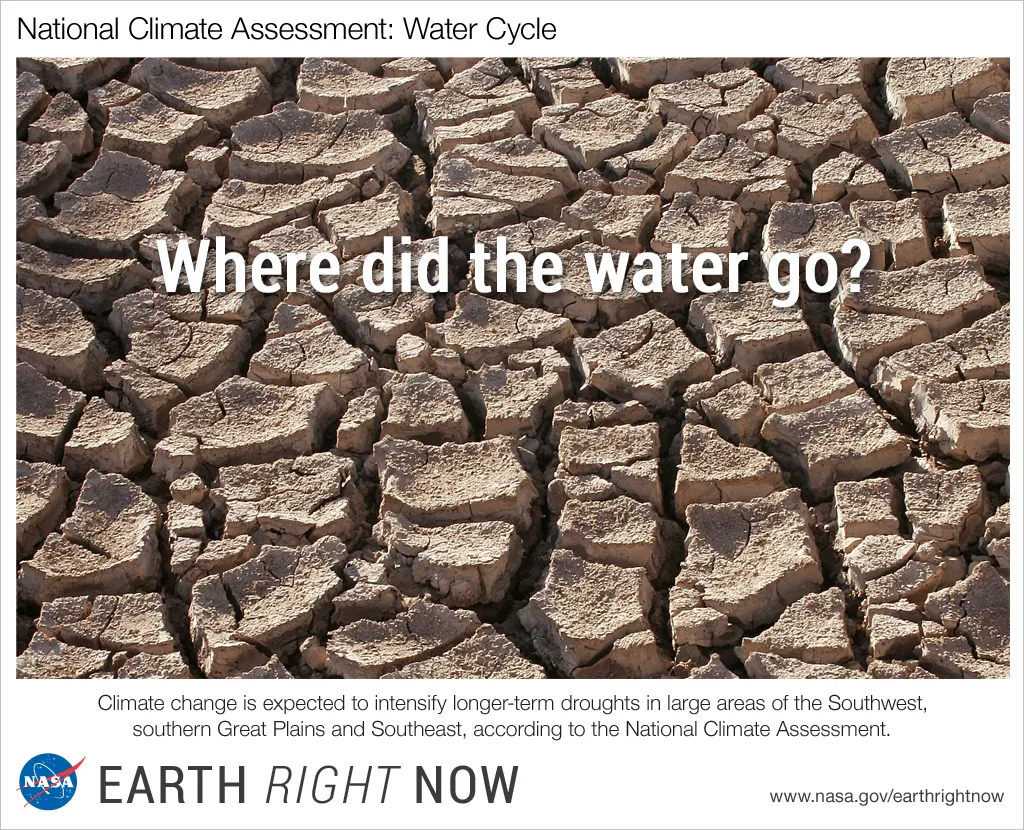
A drought is a long period of time with much less rain than normal. Droughts are different from other natural hazards because they do not happen suddenly. Instead, they develop slowly over weeks, months, or even years.
During a drought, the land does not get enough water. Rivers and lakes begin to shrink as water levels drop lower and lower. The soil dries out and becomes hard. Plants cannot grow without enough water, so crops in farmers' fields start to die. When crops fail, farmers lose the food they planned to grow and sell.
People face serious problems during droughts. Families may not have enough water for drinking, cooking, and bathing. These are basic needs that everyone depends on every day. Animals also suffer because they need water to drink and plants to eat. When plants die from lack of water, animals lose their food source.
Droughts create another danger: wildfires. Dry plants catch fire very easily, so wildfires spread quickly during droughts. A single spark can start a huge fire that burns across the land.
Droughts can affect enormous areas. Sometimes a drought covers several states at once, impacting millions of people. Because droughts last a long time, their effects build up slowly and can cause damage for years.
Interesting Fact: The longest drought in United States history was the Dust Bowl of the 1930s, which lasted nearly a decade and forced hundreds of thousands of families to leave their farms and move to other states.
What is a drought?
A sudden flood of waterA long time with little rainA very cold winter stormA short period of heavy rain
How do droughts develop over time?
They happen suddenly in one dayThey develop slowly over timeThey only last a few hoursThey happen only at night
What happens to crops during droughts?
They grow bigger and fasterThey stay exactly the sameThey die from lack of waterThey need less water to grow
Why do wildfires spread during droughts?
Because wet plants burn easilyBecause dry plants catch fire easilyBecause there is too much rainBecause animals start the fires
How do droughts affect people's water?
People have more water than beforeWater becomes easier to findPeople may not have enough waterWater quality improves during droughts
What happens to animals during droughts?
They find more food to eatThey lose water and food sourcesThey grow stronger and healthierThey need less water to survive
Droughts can affect millions of people.
TrueFalse
What does the word 'shrink' mean?
To become bigger in sizeTo become smaller in sizeTo stay the same sizeTo change color only
Perfect For:
👩🏫 Teachers
• Reading comprehension practice
• Auto-graded assessments
• Literacy skill development
👨👩👧👦 Parents
• Reading practice at home
• Comprehension improvement
• Educational reading time
🏠 Homeschoolers
• Reading curriculum support
• Independent reading practice
• Progress monitoring
Reading Features:
📖
Reading Passage
Engaging fiction or nonfiction text
❓
Comprehension Quiz
Auto-graded questions
📊
Instant Feedback
Immediate results and scoring
📄
Printable Version
Download for offline reading
🔊
Read Aloud
Voice-over with word highlighting
Reviews & Ratings
No reviews yet. Be the first to share your experience!
Related Content
What Are Tsunamis
This Grade 4 science reading passage introduces students to tsunamis, aligning with NGSS standard 4-ESS3-2. Students lea...
NGSS 4-ESS3-2
How Tsunamis Affect People
This engaging 250-word reading passage introduces fourth-grade students to the devastating impacts of tsunamis on coasta...
NGSS 4-ESS3-2
What Are Avalanches
This engaging 250-word reading passage introduces fourth-grade students to avalanches and their impact on mountain commu...
NGSS 4-ESS3-2
Landslides
This engaging 350-word reading passage introduces Grade 4-5 students to landslides as powerful natural events where soil...
NGSS 4-ESS3-2
What Are Earthquakes
This engaging 250-word reading passage introduces fourth-grade students to the concept of earthquakes as natural hazards...
NGSS 4-ESS3-2
How Earthquakes Affect People
This 250-word informational reading passage introduces Grade 4 students to the ways earthquakes affect people and commun...
NGSS 4-ESS3-2ESS3.B
What Are Volcanoes
This engaging 250-word reading passage introduces fourth-grade students to volcanoes and volcanic activity, aligned with...
NGSS 4-ESS3-2
How Volcanoes Affect People
This 250-word reading passage introduces fourth-grade students to the ways volcanic eruptions affect people and communit...
NGSS 4-ESS3-2
What Are Weather Hazards
This Grade 4 science reading passage introduces students to weather hazards as part of the NGSS 4-ESS3-2 standard focusi...
NGSS 4-ESS3-2ESS3.B
What Are Tornadoes
This engaging Grade 4 science reading passage introduces students to tornadoes, one of nature's most powerful and danger...
NGSS 4-ESS3-2
What Are Hurricanes
This Grade 4 science reading passage introduces students to hurricanes and their impact on coastal communities, aligned ...
NGSS 4-ESS3-2
What Are Floods
This engaging 250-word reading passage introduces fourth-grade students to floods as natural hazards, aligned with NGSS ...
NGSS 4-ESS3-2
What Are Wildfires
This 250-word reading passage explains what wildfires are and introduces Grade 4 students to key concepts about these na...