This learning resource is available in interactive and printable formats. The interactive worksheet can be played online and assigned to students. The Printable PDF version can be downloaded and printed for completion by hand.
This engaging 250-word reading passage introduces fourth-grade students to floods as natural hazards, aligned with NGSS standard 4-ESS3-2 (ESS3.B: Natural Hazards). Students learn what floods are, how they form through heavy rain and melting snow, and why they matter to communities. The passage explains different types of floods, including flash floods that happen suddenly, and describes the real-world impacts on homes, infrastructure, drinking water, and farmland. Written at a Grade 4 reading level, the passage uses simple sentences and everyday vocabulary to build foundational understanding of this important Earth science concept. The resource includes audio integration for accessibility, a simplified differentiated version for struggling readers, Spanish translations of both versions, a comprehensive glossary of key terms, multiple-choice comprehension questions, writing activities that promote critical thinking, and graphic organizers to help students visualize cause-and-effect relationships. This complete educational package supports diverse learners while ensuring all students can access core science concepts about natural hazards and their impacts on human populations and the environment.
CONTENT PREVIEW
Expand content preview
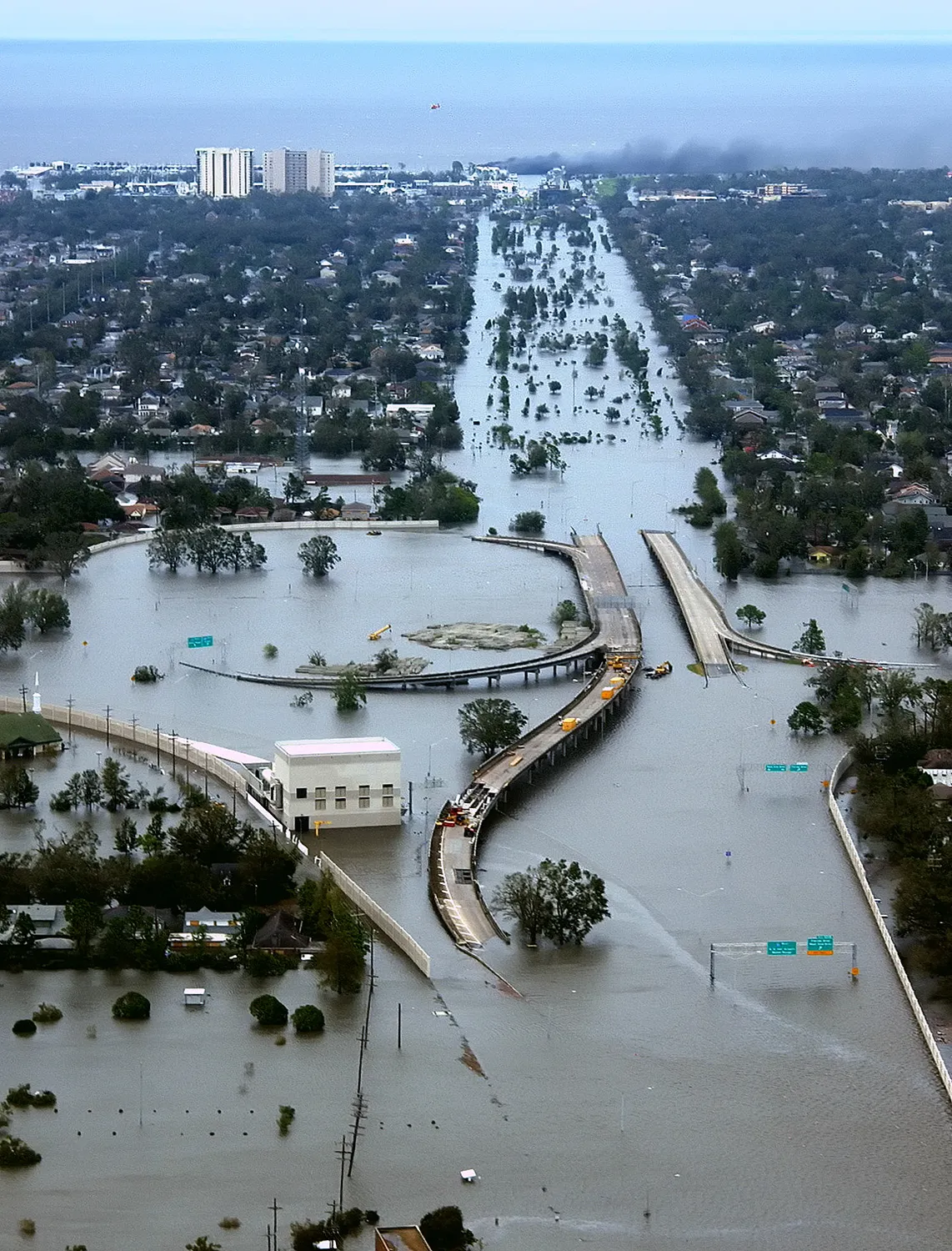
Katrina NewOrleans Flooded by AP Photo/U.S. Coast Guard, Petty Officer 2nd Class Kyle Niemi / Wikimedia Commons
A flood happens when water covers land that is normally dry. Floods are the most common natural hazard in the world—a dangerous natural event that can harm people and property. Understanding floods helps communities prepare and stay safe when too much water arrives.
Heavy rain is one major cause of floods. When a lot of rain falls, rivers and streams can overflow their banks. The water spills onto nearby land, covering roads, fields, and neighborhoods. Melting snow can also cause floods. When winter snow melts quickly in spring, it sends too much water downstream all at once.
Flash floods are especially dangerous because they happen suddenly. A flash flood occurs when a large amount of rain falls in a short time, like during a thunderstorm. The water rushes through streets, neighborhoods, and low-lying areas with little warning. Flash floods can happen in minutes, giving people very little time to move to safety.
Floods cause serious damage to communities. They can destroy homes and wash away roads and bridges. Floodwater often carries dirt, chemicals, and waste that contaminate—or pollute—drinking water supplies. Floods make farmland unusable by covering crops with water and mud. Even a few inches of moving water can knock a person down, making floods dangerous to anyone caught in them.
Interesting Fact: The fastest-moving floodwaters can travel at speeds up to 25 miles per hour—faster than most people can run!
What is a flood?
Water covering normally dry landA type of rainstormSnow melting in winterA river flowing downstream
What causes rivers to overflow?
Not enough rain fallingHeavy rain or melting snowPeople using too much waterWind blowing across the water
How fast do flash floods happen?
Over several weeksIn about one dayIn just minutesOver many hours
Why are flash floods dangerous?
They give little warning timeThey only happen at nightThey make loud noisesThey happen only in winter
How do floods affect drinking water?
They make it taste betterThey contaminate it with dirtThey freeze the waterThey make more water available
What can floods do to farmland?
Help crops grow fasterMake soil more fertileCover crops with water and mudCreate new planting areas
Floods are the most common natural hazard.
TrueFalse
What does 'contaminate' mean?
To make clean and pureTo make dirty or unsafeTo freeze something solidTo measure water depth
Perfect For:
👩🏫 Teachers
• Reading comprehension practice
• Auto-graded assessments
• Literacy skill development
👨👩👧👦 Parents
• Reading practice at home
• Comprehension improvement
• Educational reading time
🏠 Homeschoolers
• Reading curriculum support
• Independent reading practice
• Progress monitoring
Reading Features:
📖
Reading Passage
Engaging fiction or nonfiction text
❓
Comprehension Quiz
Auto-graded questions
📊
Instant Feedback
Immediate results and scoring
📄
Printable Version
Download for offline reading
🔊
Read Aloud
Voice-over with word highlighting
Reviews & Ratings
No reviews yet. Be the first to share your experience!
Related Content
What Are Tsunamis
This Grade 4 science reading passage introduces students to tsunamis, aligning with NGSS standard 4-ESS3-2. Students lea...
NGSS 4-ESS3-2
How Tsunamis Affect People
This engaging 250-word reading passage introduces fourth-grade students to the devastating impacts of tsunamis on coasta...
NGSS 4-ESS3-2
What Are Avalanches
This engaging 250-word reading passage introduces fourth-grade students to avalanches and their impact on mountain commu...
NGSS 4-ESS3-2
Landslides
This engaging 350-word reading passage introduces Grade 4-5 students to landslides as powerful natural events where soil...
NGSS 4-ESS3-2
What Are Earthquakes
This engaging 250-word reading passage introduces fourth-grade students to the concept of earthquakes as natural hazards...
NGSS 4-ESS3-2
How Earthquakes Affect People
This 250-word informational reading passage introduces Grade 4 students to the ways earthquakes affect people and commun...
NGSS 4-ESS3-2ESS3.B
What Are Volcanoes
This engaging 250-word reading passage introduces fourth-grade students to volcanoes and volcanic activity, aligned with...
NGSS 4-ESS3-2
How Volcanoes Affect People
This 250-word reading passage introduces fourth-grade students to the ways volcanic eruptions affect people and communit...
NGSS 4-ESS3-2
What Are Weather Hazards
This Grade 4 science reading passage introduces students to weather hazards as part of the NGSS 4-ESS3-2 standard focusi...
NGSS 4-ESS3-2ESS3.B
What Are Tornadoes
This engaging Grade 4 science reading passage introduces students to tornadoes, one of nature's most powerful and danger...
NGSS 4-ESS3-2
What Are Hurricanes
This Grade 4 science reading passage introduces students to hurricanes and their impact on coastal communities, aligned ...
NGSS 4-ESS3-2
What Are Wildfires
This 250-word reading passage explains what wildfires are and introduces Grade 4 students to key concepts about these na...
NGSS 4-ESS3-2
What Are Droughts
This 250-word reading passage introduces fourth-grade students to the concept of droughts as defined in NGSS 4-ESS3-2. S...