This learning resource is available in interactive and printable formats. The interactive worksheet can be played online and assigned to students. The Printable PDF version can be downloaded and printed for completion by hand.
This Grade 4 science reading passage introduces students to hurricanes and their impact on coastal communities, aligned with NGSS standard 4-ESS3-2. Students learn that hurricanes are massive rotating storms forming over warm ocean water, spanning hundreds of miles with dangerous winds and heavy rain. The passage explains the hurricane's structure, including the calm eye surrounded by the strongest winds. Students discover how storm surge—a wall of ocean water pushed onto shore—creates flooding dangers when hurricanes reach land. The content emphasizes how hurricanes affect coastal areas and why people evacuate to safety. Audio-integrated features support diverse learners as they explore these powerful natural hazards. The passage builds foundational understanding of severe weather patterns and human responses to natural disasters, preparing students for hands-on investigations and discussions about weather safety and community preparedness in coastal regions.
CONTENT PREVIEW
Expand content preview
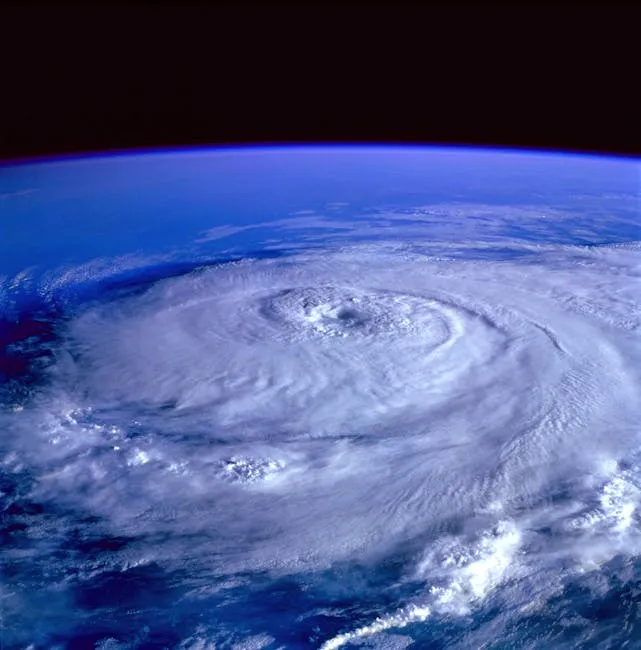
"A breathtaking satellite image capturing a swirling hurricane over the Earth's ocean." by Pixabay / Pexels.
A hurricane is a massive rotating storm that forms over warm ocean water. Hurricanes are important to understand because they can cause serious damage to coastal communities and put people's lives at risk.
Hurricanes can grow to be hundreds of miles wide. They bring three main dangers: powerful winds, heavy rainfall, and flooding. The winds in a hurricane can blow faster than cars drive on highways. These strong winds can knock down trees, damage buildings, and send objects flying through the air.
Every hurricane has a special part called the eye. The eye is the center of the hurricane where the weather is surprisingly calm. However, the area surrounding the eye has the strongest and most dangerous winds. Think of it like the calm center of a spinning top—everything around it moves fast, but the middle stays still.
When a hurricane moves from the ocean onto land, it brings a dangerous phenomenon called storm surge. Storm surge is a wall of ocean water that gets pushed onto the shore by the hurricane's powerful winds. This wall of water can flood streets, homes, and entire neighborhoods. Combined with heavy rain that can last for hours or even days, hurricanes create severe flooding in coastal areas—the regions near the ocean where land meets water.
Because hurricanes are so dangerous, weather scientists track them carefully. When a hurricane approaches land, people who live in coastal areas often evacuate, which means they leave their homes and travel to safer locations inland until the storm passes.
Interesting Fact: The eye of a hurricane can be 20 to 40 miles wide, and if you were standing in it, you might see blue sky and sunshine above while the most powerful part of the storm surrounds you!
Where do hurricanes form?
Over cold ocean waterOver warm ocean waterOver mountainsOver desert land
What is the eye of a hurricane?
The area with strongest windsThe calm center of the stormThe edge of the hurricaneThe rainiest part of the storm
How wide can hurricanes grow?
A few feet wideAbout one mile wideHundreds of miles wideOnly ten miles wide
Why do hurricanes cause flooding in coastal areas?
Only from heavy rainFrom storm surge and heavy rainFrom melting iceFrom broken water pipes
What happens when people evacuate?
They stay inside their homesThey watch the storm outsideThey leave and go to safer placesThey build stronger houses
Which part of a hurricane is most dangerous?
The eye in the centerThe area surrounding the eyeThe outer edge far from centerThe top of the hurricane
Hurricanes only bring wind, not rain or flooding.
TrueFalse
What does storm surge mean?
Very strong windsHeavy rainfall from cloudsOcean water pushed onto shoreThe calm eye of hurricane
Perfect For:
👩🏫 Teachers
• Reading comprehension practice
• Auto-graded assessments
• Literacy skill development
👨👩👧👦 Parents
• Reading practice at home
• Comprehension improvement
• Educational reading time
🏠 Homeschoolers
• Reading curriculum support
• Independent reading practice
• Progress monitoring
Reading Features:
📖
Reading Passage
Engaging fiction or nonfiction text
❓
Comprehension Quiz
Auto-graded questions
📊
Instant Feedback
Immediate results and scoring
📄
Printable Version
Download for offline reading
🔊
Read Aloud
Voice-over with word highlighting
Reviews & Ratings
No reviews yet. Be the first to share your experience!
Related Content
What Are Tsunamis
This Grade 4 science reading passage introduces students to tsunamis, aligning with NGSS standard 4-ESS3-2. Students lea...
NGSS 4-ESS3-2
How Tsunamis Affect People
This engaging 250-word reading passage introduces fourth-grade students to the devastating impacts of tsunamis on coasta...
NGSS 4-ESS3-2
What Are Avalanches
This engaging 250-word reading passage introduces fourth-grade students to avalanches and their impact on mountain commu...
NGSS 4-ESS3-2
Landslides
This engaging 350-word reading passage introduces Grade 4-5 students to landslides as powerful natural events where soil...
NGSS 4-ESS3-2
What Are Earthquakes
This engaging 250-word reading passage introduces fourth-grade students to the concept of earthquakes as natural hazards...
NGSS 4-ESS3-2
How Earthquakes Affect People
This 250-word informational reading passage introduces Grade 4 students to the ways earthquakes affect people and commun...
NGSS 4-ESS3-2ESS3.B
What Are Volcanoes
This engaging 250-word reading passage introduces fourth-grade students to volcanoes and volcanic activity, aligned with...
NGSS 4-ESS3-2
How Volcanoes Affect People
This 250-word reading passage introduces fourth-grade students to the ways volcanic eruptions affect people and communit...
NGSS 4-ESS3-2
What Are Weather Hazards
This Grade 4 science reading passage introduces students to weather hazards as part of the NGSS 4-ESS3-2 standard focusi...
NGSS 4-ESS3-2ESS3.B
What Are Tornadoes
This engaging Grade 4 science reading passage introduces students to tornadoes, one of nature's most powerful and danger...
NGSS 4-ESS3-2
What Are Floods
This engaging 250-word reading passage introduces fourth-grade students to floods as natural hazards, aligned with NGSS ...
NGSS 4-ESS3-2
What Are Wildfires
This 250-word reading passage explains what wildfires are and introduces Grade 4 students to key concepts about these na...
NGSS 4-ESS3-2
What Are Droughts
This 250-word reading passage introduces fourth-grade students to the concept of droughts as defined in NGSS 4-ESS3-2. S...