This learning resource is available in interactive and printable formats. The interactive worksheet can be played online and assigned to students. The Printable PDF version can be downloaded and printed for completion by hand.
This Grade 4 science reading passage introduces students to weather hazards as part of the NGSS 4-ESS3-2 standard focusing on ESS3.B: Natural Hazards. Students learn that weather hazards are dangerous weather events caused by conditions in Earth's atmosphere, unlike earth hazards that originate from inside our planet. The passage explains various types of weather hazards including severe storms, floods, droughts, tornadoes, hurricanes, and wildfires. Students discover that some weather hazards develop slowly over weeks or months while others strike quickly with little warning. The passage emphasizes the important role meteorologists play in predicting weather hazards and warning communities before they arrive. Audio-integrated features support diverse learners by providing read-aloud options. Aligned activities include reading comprehension questions, writing prompts, and graphic organizers that help students classify different weather hazards and understand cause-and-effect relationships. This foundational knowledge prepares students for hands-on investigations about natural hazards and human responses to dangerous weather events.
CONTENT PREVIEW
Expand content preview
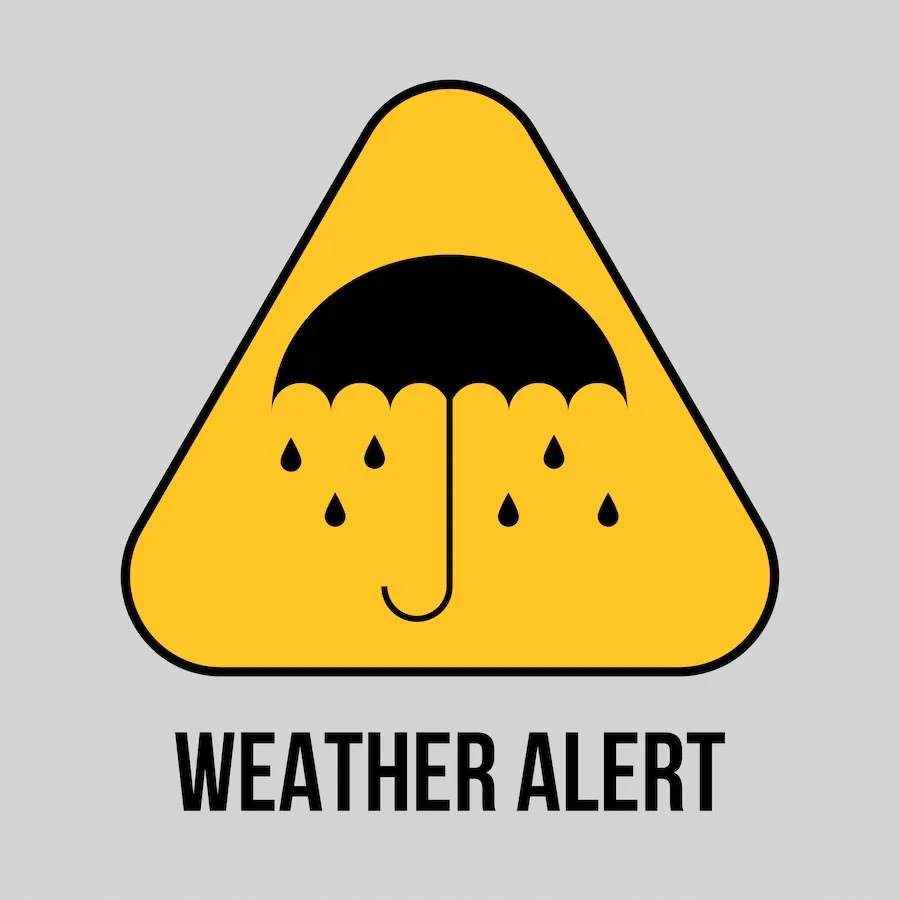
Weather hazards are dangerous weather events that can harm people and damage property. These hazards happen because of conditions in the atmosphere — the layer of air that surrounds Earth. Understanding weather hazards helps communities prepare and stay safe when dangerous weather approaches.
Unlike earth hazards such as earthquakes and volcanoes that come from inside Earth, weather hazards form in the air above us. There are many types of weather hazards. Severe storms bring heavy rain, strong winds, lightning, and hail. Floods occur when too much water covers normally dry land. Droughts happen when an area receives very little rain for a long time. Tornadoes are spinning columns of air that touch the ground and can destroy buildings. Hurricanes are massive storms with powerful winds that form over warm ocean water. Wildfires are uncontrolled fires that spread quickly through forests and grasslands, often made worse by hot, dry, windy weather.
Some weather hazards develop slowly over weeks or months, like droughts. Others strike quickly with little warning, like tornadoes. Weather scientists called meteorologists study the atmosphere and use special tools to predict weather hazards. They work to warn people before dangerous weather arrives so communities can prepare and protect themselves. Think of meteorologists as weather detectives who solve clues in the sky to keep people safe.
Interesting Fact: The fastest wind speed ever recorded in a tornado was 302 miles per hour in Oklahoma in 1999 — that's faster than a race car!
What are weather hazards?
Dangerous weather events that harm peopleEarthquakes that come from inside EarthTools meteorologists use to study weatherLayers of air surrounding Earth
Where do weather hazards form?
Inside Earth like volcanoesIn the atmosphere around EarthUnder the ocean waterDeep underground near earthquakes
What is a tornado?
A period with very little rainA storm that forms over oceansA spinning column of air touching groundToo much water covering dry land
Why do meteorologists study weather hazards?
To make weather hazards happen fasterTo warn people before dangerous weatherTo create tornadoes and hurricanesTo stop all rain from falling
Which weather hazard develops slowly over time?
Tornadoes that strike with little warningLightning during severe stormsDroughts that take weeks or monthsFloods that happen after heavy rain
How are hurricanes and tornadoes different?
Hurricanes form over warm ocean waterTornadoes only happen during droughtsHurricanes never have strong windsTornadoes are larger than hurricanes
Weather hazards come from inside Earth.
TrueFalse
What does atmosphere mean?
The inside of planet EarthThe layer of air surrounding EarthA tool to predict weatherA type of dangerous storm
Perfect For:
👩🏫 Teachers
• Reading comprehension practice
• Auto-graded assessments
• Literacy skill development
👨👩👧👦 Parents
• Reading practice at home
• Comprehension improvement
• Educational reading time
🏠 Homeschoolers
• Reading curriculum support
• Independent reading practice
• Progress monitoring
Reading Features:
📖
Reading Passage
Engaging fiction or nonfiction text
❓
Comprehension Quiz
Auto-graded questions
📊
Instant Feedback
Immediate results and scoring
📄
Printable Version
Download for offline reading
🔊
Read Aloud
Voice-over with word highlighting
Reviews & Ratings
No reviews yet. Be the first to share your experience!
Related Content
Natural Disasters and Urban flooding
This reading comprehension worksheet focuses on the topic of natural disasters, specifically urban flooding. Following t...
RI.4.44-ESS3ESS3.B4-ESS3-1
Rainstorms and Natural Disasters
This reading comprehension worksheet is focused on the topic of rainstorm-induced disasters. Students will be required t...
W.4.8-1ESS3.B4-ESS3-2
How Earthquakes Affect People
This 250-word informational reading passage introduces Grade 4 students to the ways earthquakes affect people and commun...
NGSS 4-ESS3-2ESS3.B
What Are Tsunamis
This Grade 4 science reading passage introduces students to tsunamis, aligning with NGSS standard 4-ESS3-2. Students lea...
NGSS 4-ESS3-2
How Tsunamis Affect People
This engaging 250-word reading passage introduces fourth-grade students to the devastating impacts of tsunamis on coasta...
NGSS 4-ESS3-2
What Are Avalanches
This engaging 250-word reading passage introduces fourth-grade students to avalanches and their impact on mountain commu...
NGSS 4-ESS3-2
Landslides
This engaging 350-word reading passage introduces Grade 4-5 students to landslides as powerful natural events where soil...
NGSS 4-ESS3-2
What Are Earthquakes
This engaging 250-word reading passage introduces fourth-grade students to the concept of earthquakes as natural hazards...
NGSS 4-ESS3-2
What Are Volcanoes
This engaging 250-word reading passage introduces fourth-grade students to volcanoes and volcanic activity, aligned with...
NGSS 4-ESS3-2
How Volcanoes Affect People
This 250-word reading passage introduces fourth-grade students to the ways volcanic eruptions affect people and communit...
NGSS 4-ESS3-2
What Are Tornadoes
This engaging Grade 4 science reading passage introduces students to tornadoes, one of nature's most powerful and danger...
NGSS 4-ESS3-2
What Are Hurricanes
This Grade 4 science reading passage introduces students to hurricanes and their impact on coastal communities, aligned ...
NGSS 4-ESS3-2
What Are Floods
This engaging 250-word reading passage introduces fourth-grade students to floods as natural hazards, aligned with NGSS ...
NGSS 4-ESS3-2
What Are Wildfires
This 250-word reading passage explains what wildfires are and introduces Grade 4 students to key concepts about these na...
NGSS 4-ESS3-2
What Are Droughts
This 250-word reading passage introduces fourth-grade students to the concept of droughts as defined in NGSS 4-ESS3-2. S...