How Fish Breathe
Interactive passage with audio narration, comprehension questions, and printable PDF.
By completing this purchase you agree to our Terms of Use and Privacy Policy. Your subscription renews automatically until you cancel. You can cancel anytime from your account settings. All sales are final and non-refundable. Digital content is available for download in your account immediately upon purchase.
What's included
How Fish Breathe preview and details
About this printable How Fish Breathe science reading passage, NGSS-aligned (Grades 3-6)
Sample passage and quiz from How Fish Breathe
Reading passage and comprehension quiz preview
How Fish Breathe
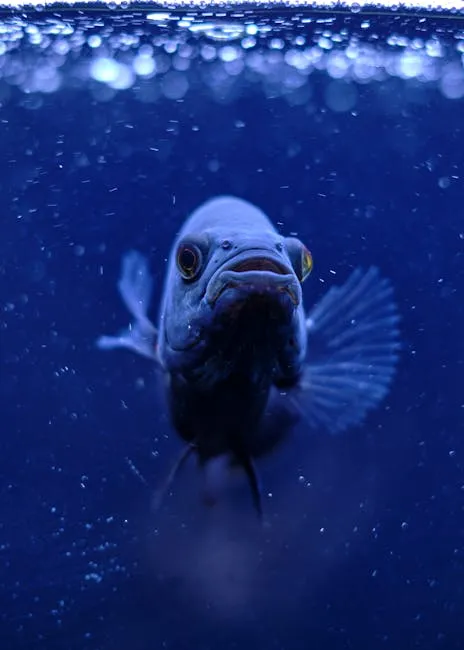
Fish use special parts called gills for breathing by Nanda Putra / Pexels.
Fish live underwater, but they need oxygen to survive, just like people do. Instead of breathing air with lungs, fish use special parts called gills. Gills are found on the sides of a fish's head. When a fish opens its mouth, water flows in and passes over the gills. The gills take the oxygen from the water and send it into the fish's blood. At the same time, gills help remove carbon dioxide, which is a waste gas the fish needs to get rid of.
Gills have thin layers of tissue with lots of tiny blood vessels. These blood vessels collect oxygen as water passes by. Fish need to keep moving or pump water through their mouths to keep fresh water flowing over their gills. Some fish, like tuna, must swim all the time to breathe, while others can stay still and move water with their mouth and gill covers.
Fish also have a special organ called a swim bladder. The swim bladder is a small, air-filled sac inside the fish's body. It helps fish control their buoyancy, which means their ability to float or sink in the water. When a fish wants to float higher, it adds more gas to its swim bladder. If it wants to sink, it lets out some gas. This allows fish to stay at the right level in the water without using too much energy.
The way fish breathe and float helps them survive in lakes, rivers, and oceans. Aquariums use special pumps to add oxygen to the water for pet fish, because fish need oxygen-rich water to stay healthy.
Interesting Fact: Some fish, like lungfish, can breathe air with lungs and survive out of water for a short time!
Comprehension quiz (8 questions)
1. What do fish use to breathe?
2. Where is the swim bladder located?
3. What do gills remove from the body?
4. Why do some fish keep swimming?
5. How does a fish float higher?
6. What do aquariums add to water?
7. Fish can breathe underwater. True or false?
8. What is buoyancy?
Perfect for the way you teach
- Build comprehension skills
- Auto-graded quiz
- Differentiated reading
- Read together at home
- Improve fluency
- Quiet reading time
- Reading curriculum support
- Independent practice
- Track Lexile growth