Quipus: Keeping Records Without Writing — Reading Comprehension
Rate this
Premium Resource
Present
Present in classroom. No work saved
Assign
Classroom with student accounts, Track progress
Quick Play
No student accounts, assign with a link
Grades
5
6
7
8
PRINT+DIGITAL RESOURCE
This learning resource is available in interactive and printable formats. The interactive worksheet can be played online and assigned to students. The Printable PDF version can be downloaded and printed for completion by hand.
This passage explores the fascinating world of quipus, the unique recording devices used by the Inca civilization of the ancient Andes. Students will learn how the Incas managed their empire's information without a writing system, using knots and cords to record data about population, resources, and events. The passage examines primary archaeological evidence, discusses the roles of quipucamayocs (quipu keepers), and explores how quipus compare to other forms of record keeping in world history. Aligned with CA HSS 6.7.7 and TEKS 6.2B, the resource includes a rigorous reading passage, glossary, timeline, graphic organizers, and comprehension activities. Additional features such as a Spanish translation and read aloud audio support diverse learners. This standards-aligned history reading passage helps students analyze evidence, understand cause-and-effect, and connect the Inca system to broader themes in world history and geography.
CONTENT PREVIEW
Expand content preview
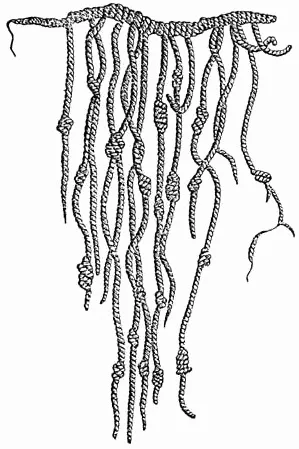
"Quipu" / Wikimedia Commons
The Inca Empire in South America is known for its advanced engineering, organization, and communication. Unlike other ancient civilizations, the Incas did not develop a traditional writing system. Instead, they used a remarkable tool called the quipu to record information. A quipu consists of colored cords with a series of knots, and it played a vital role in the administration of the empire.
The quipu was especially important across the Andes Mountains, where the Inca Empire stretched from present-day Colombia to Chile in the 1400s and early 1500s CE. The word "quipu" means "knot" in Quechua, the main Inca language. Quipus were made from cotton or camelid fibers, and each cord could be dyed different colors to represent various categories like crops, people, or animals. The placement of knots and the way cords hung from a main strand could indicate numbers or even special events.
Specially trained officials called quipucamayocs were responsible for creating and reading quipus. These experts could interpret the complex system of knots and colors to manage taxes, census data, and resources across the vast empire. For example, a quipu found at Puruchuco, an Inca administrative center near Lima, recorded the tribute collected from local communities. Archaeologists have discovered over 800 surviving quipus, mainly in Peru, showing the diversity and complexity of their use. Some quipus even appear to record historical events, such as battles or the reigns of rulers, although scholars continue to debate whether they contained narrative information beyond numbers.
Quipus were essential in supporting the bureaucracy of the Inca state. Without a written language, the Incas needed an efficient way to communicate across difficult mountain terrain. The quipu system allowed messages and data to travel along the network of chasquis (messenger runners) who carried quipus and oral messages between cities. This system helped unify the regions of the empire and ensured that leaders had up-to-date information for decision-making. The use of quipus shows both continuity and adaptation: while the Incas borrowed and improved upon earlier Andean record-keeping methods, their empire-wide system was unique in its scale and complexity.
Today, quipus provide valuable archaeological evidence about Inca society and administration. The study of quipus connects to broader themes in world history, such as the ways societies communicate, manage resources, and solve problems without writing. Although not all secrets of the quipus are fully understood, they remain a central symbol of Inca ingenuity and adaptability.
Interesting Fact: Some researchers believe that quipus might have encoded more than just numbers—they may have held stories, laws, or even poetry, though no one has fully deciphered this yet!
What is a quipu?
Knotted cords for record keepingA stone templeA gold coinA farming tool
Who were quipucamayocs?
Inca record keepersFarmersSoldiersPotters
Where was the Inca Empire located?
South AmericaAfricaEuropeAsia
Why were quipus important to the Incas?
They recorded informationThey were jewelryThey were used for fishingThey were toys
How did chasquis help the Inca Empire?
Carried quipus and messagesBuilt stone roadsFought in warsWove textiles
What is one reason quipus are still studied?
They show Inca record keepingThey are made of goldThey are used todayThey are musical instruments
Quipus could only show numbers. True or false?
TrueFalse
What does 'bureaucracy' mean in the passage?
Government system with many officialsA farming methodA type of clothA kind of animal
Perfect For:
👩🏫 Teachers
• Reading comprehension practice
• Auto-graded assessments
• Literacy skill development
👨👩👧👦 Parents
• Reading practice at home
• Comprehension improvement
• Educational reading time
🏠 Homeschoolers
• Reading curriculum support
• Independent reading practice
• Progress monitoring
Reading Features:
📖
Reading Passage
Engaging fiction or nonfiction text
❓
Comprehension Quiz
Auto-graded questions
📊
Instant Feedback
Immediate results and scoring
📄
Printable Version
Download for offline reading
🔊
Read Aloud
Voice-over with word highlighting
Reviews & Ratings
No reviews yet. Be the first to share your experience!
Related Content
Evidence in Ancient History
This engaging history reading passage investigates how archaeologists and historians discover clues about how ancient pe...
Ancient Theocracy
This engaging history reading passage explores the concept of theocracy in ancient civilizations, where priests and reli...
Ancient Canaan
This educational passage explores the land of Canaan, the historical homeland of the ancient Israelites. Students will l...
Slavery in Ancient Rome and in the Americas
This educational passage examines the history of slavery in two distinct regions and eras: Ancient Rome and Colonial Ame...
The Americas: Developing in Isolation
This rigorous history reading passage explores how ancient civilizations in the Americas developed in isolation due to t...
Ancient Literature
This passage explores the importance of ancient stories and poems from civilizations such as Greece, India, and Israel. ...
Geography of Ancient Israel
This passage explores the rich geography of Ancient Israel, focusing on how landforms, climate, and natural resources sh...
Ancient Writing Systems
This engaging history reading passage explores the origins and evolution of ancient writing systems, including cuneiform...
Ancient Agriculture Farming
This passage explores the transformative impact of farming on ancient societies, examining how the Neolithic Revolution ...
Ancient Mathematics
This passage explores the essential role of mathematics in ancient civilizations, including Mesopotamia, Egypt, Greece, ...
Ancient Philosophy
This reading passage takes students on a journey through the philosophical traditions of ancient Greece, India, and Chin...
Ancient Athens Democracy
This history reading passage explores the origins and practice of direct democracy in Ancient Athens, one of the world's...
How Maize Transformed Life in the Americas
This passage explores the dramatic impact of maize (corn) on ancient civilizations throughout the Americas. Students wil...
Ancient Science and Medicine
This comprehensive reading passage explores the development of science and medicine in ancient civilizations, including ...
Ancient Monarchy
This reading passage explores the concept of monarchy in ancient civilizations, focusing on the origins, structure, and ...
Women in Ancient Societies
This reading passage explores the complex roles of women in the ancient world, focusing on civilizations such as Mesopot...
Geography of Ancient Egypt
This passage explores the vital role of geography in the rise of Ancient Egypt, focusing on the importance of the Nile R...
Ancient Money Barter
This passage explores the fascinating evolution from barter to the earliest coins in ancient civilizations, focusing on ...
Geography of Ancient Greece
This rigorous history reading passage explores 'The Geography of Ancient Greece,' examining how the region’s mountains, ...
Slavery in Ancient World
This passage explores the complex history of slavery in the ancient world, examining its presence in societies such as M...