Shang Dynasty
Interactive passage with audio narration, comprehension questions, and printable PDF.
By completing this purchase you agree to our Terms of Use and Privacy Policy. Your subscription renews automatically until you cancel. You can cancel anytime from your account settings. All sales are final and non-refundable. Digital content is available for download in your account immediately upon purchase.
What's included
Shang Dynasty preview and details
About this printable Shang Dynasty reading passage (Grades 5-8)
Sample passage and quiz from Shang Dynasty
Reading passage and comprehension quiz preview
Shang Dynasty
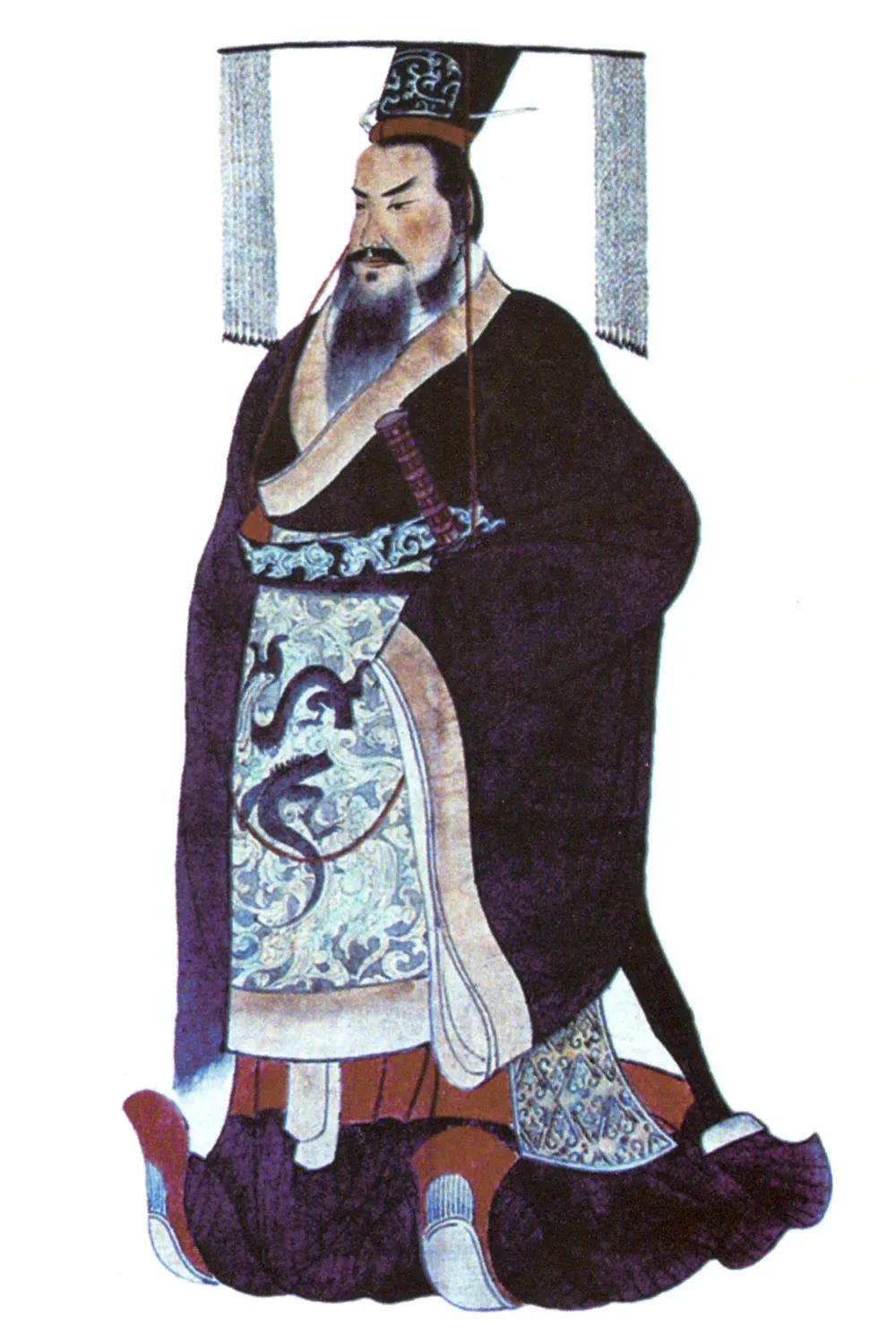
Shang Dynasty
Source: Wikimedia Commons (Public domain).
The Shang Dynasty is recognized as the first historical dynasty of China, ruling from around 1600 BCE to 1046 BCE. Scholars have confirmed its existence through a combination of ancient written records and archaeological discoveries. Located along the fertile Yellow River valley, the Shang Dynasty marked a significant turning point in the development of Chinese civilization. Its rulers established a complex society with strong leadership, technological advancements, and a distinctive culture that influenced later dynasties.
One of the most important sources of information about the Shang Dynasty comes from oracle bones. These animal bones and turtle shells were used by Shang priests to communicate with ancestors and deities. The priests would inscribe questions about crops, battles, or weather onto the bones, then heat them until they cracked. By interpreting the cracks, the Shang believed they could receive guidance from the spiritual world. Over 100,000 oracle bones have been uncovered at the ancient city of Anyang, providing historians with primary evidence of Shang writing, religion, and government. The script found on these bones is the earliest known form of Chinese writing, showing the dynasty’s importance in the history of language.
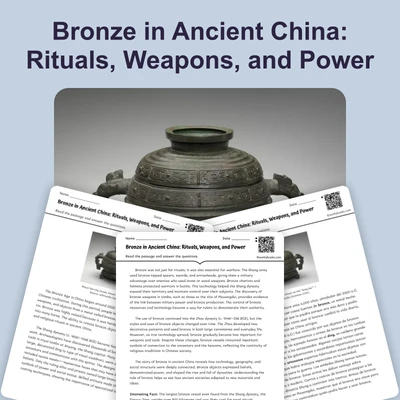
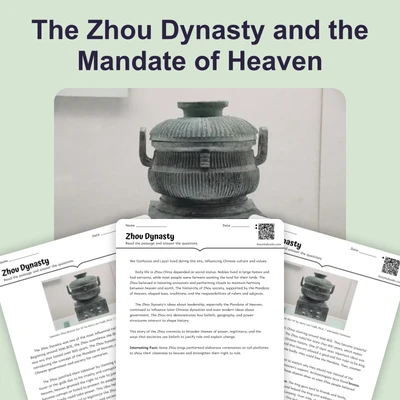
The Shang Dynasty was known for its advanced bronze technology. Shang craftsmen produced elaborate bronze vessels used in religious rituals and ceremonies. These artifacts reveal the dynasty’s artistic skill and social hierarchy. Only the royal family and elite nobles were allowed to own and use such items, highlighting the strict class divisions of Shang society. Archaeologists have also found the remains of walled cities, large tombs, and weapons, indicating the Shang’s military strength and organizational abilities. The tomb of the powerful Queen Fu Hao, discovered in the 1970s, contained hundreds of bronze objects, jade ornaments, and weapons, illustrating the wealth and power of Shang royalty.
Geography played a major role in the development of the Shang Dynasty. The Yellow River provided fertile soil for farming, supporting a growing population. However, the river also brought floods, forcing Shang leaders to develop irrigation systems and organize labor for large construction projects. The dynasty’s capital moved several times, but the city of Anyang became the most important political and religious center. From there, Shang kings controlled a network of smaller regions governed by loyal nobles. This centralization of power set a pattern for later Chinese dynasties.
The Shang Dynasty’s achievements in writing, technology, and government had lasting effects on Chinese civilization. Its use of oracle bones established the tradition of written records, while its bronze work set a standard for artistry. The social structure and religious practices of the Shang influenced later dynasties, contributing to the continuity of Chinese culture. Although the Shang Dynasty ended when it was overthrown by the Zhou around 1046 BCE, its legacy remains a vital part of China’s historical identity.
Many themes found in the study of the Shang Dynasty—such as the rise of complex societies, the importance of geographic factors, and the creation of written language—connect to broader topics in world history.
Interesting Fact: The earliest recorded Chinese lunar eclipse was inscribed on a Shang oracle bone, showing the dynasty’s interest in astronomy and timekeeping.
Comprehension quiz (8 questions)
1. When did the Shang Dynasty rule?
2. Which river was important for the Shang?
3. Who was Queen Fu Hao?
4. Why did Shang use oracle bones?
5. How did geography affect the Shang?
6. Bronze objects showed social hierarchy. Why?
7. The Shang Dynasty was the last Chinese dynasty.
8. What is an artifact?
Perfect for the way you teach
- Build comprehension skills
- Auto-graded quiz
- Differentiated reading
- Read together at home
- Improve fluency
- Quiet reading time
- Reading curriculum support
- Independent practice
- Track Lexile growth