Thucydides and the Peloponnesian War — Reading Comprehension
Rate this
Premium Resource
Present
Present in classroom. No work saved
Assign
Classroom with student accounts, Track progress
Quick Play
No student accounts, assign with a link
Grades
6
7
8
PRINT+DIGITAL RESOURCE
This learning resource is available in interactive and printable formats. The interactive worksheet can be played online and assigned to students. The Printable PDF version can be downloaded and printed for completion by hand.
This rigorous passage introduces students to Thucydides, the ancient Greek historian who chronicled the Peloponnesian War between Athens and Sparta. Aligned with CA HSS 6.4 and CCSS RH.6-8.2, it explores Thucydides' approach to evidence, his critical analysis of sources, and his impact on historical writing. Students will encounter vocabulary like 'primary source,' 'city-state,' and 'analysis' while learning about how Thucydides' work continues to shape our understanding of conflict, leadership, and the importance of accurate records. The passage includes a glossary, Spanish translation, differentiated version, multiple-choice quiz, writing activities, graphic organizers, and a timeline. This resource is designed for ancient history courses and includes read aloud audio and Spanish translation to support diverse learners.
CONTENT PREVIEW
Expand content preview
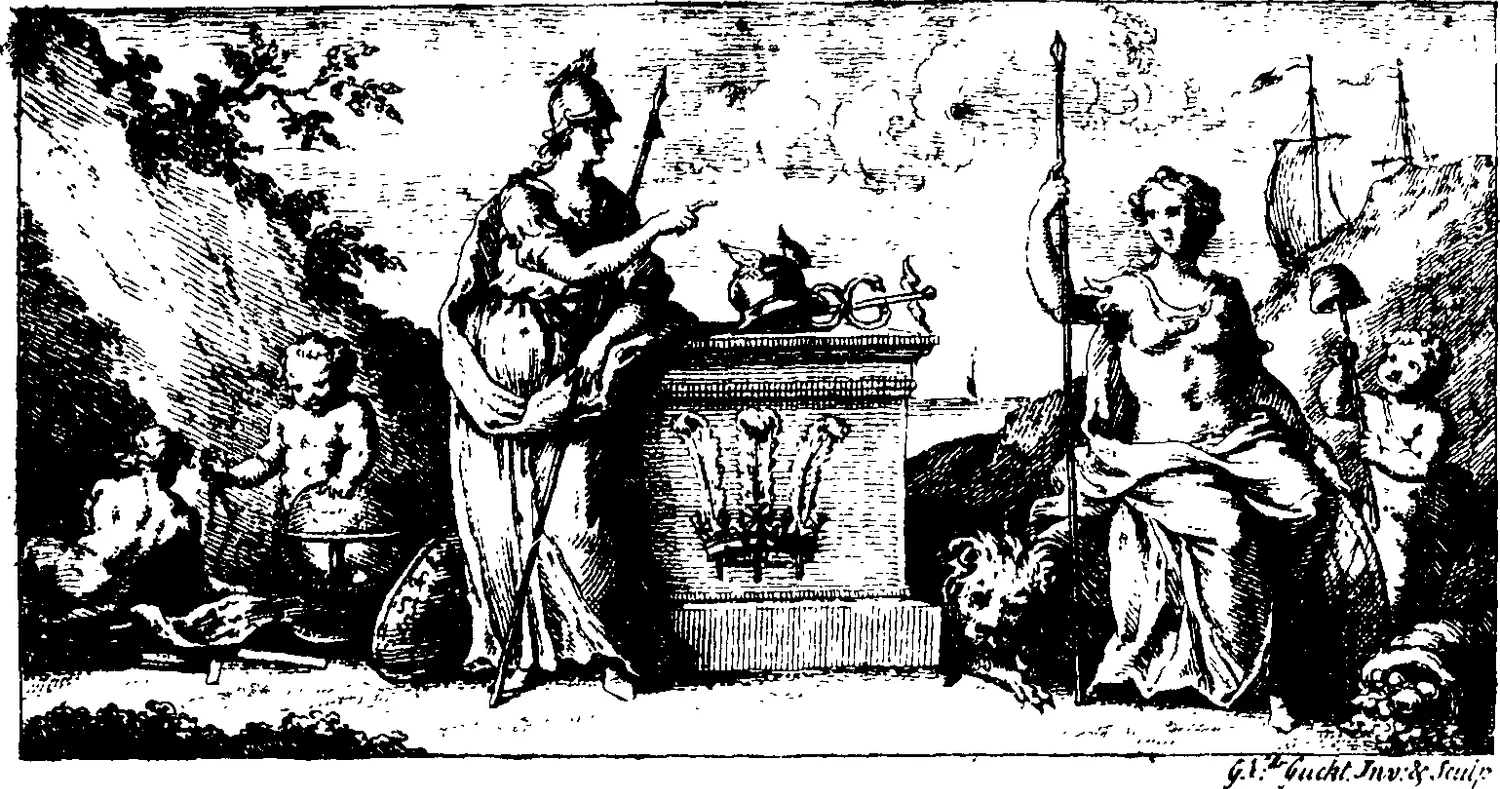
The history of the Peloponnesian war, translated from the Greek of Thucydides Fleuron Wikimedia Commons
The ancient Greek historian Thucydides is remembered for his detailed account of the Peloponnesian War, a long conflict between the city-states of Athens and Sparta. Writing in the late 5th century BCE, Thucydides set himself apart from earlier historians by focusing on factual accuracy, careful analysis, and the use of primary sources. He lived through the war himself, serving as an Athenian general, which allowed him to observe events firsthand. His work, "History of the Peloponnesian War," is still studied as a model of historical investigation.
The Peloponnesian War began in 431 BCE and lasted until 404 BCE, pitting Athens, known for its democratic government and powerful navy, against Sparta, famous for its strict military society. Thucydides' history covers not only battles, but also the political decisions, alliances, and betrayals that shaped the course of the war. He describes how the plague struck Athens in 430 BCE, killing thousands, including the leader Pericles. Thucydides provides a vivid description of the devastation, relying on eyewitness accounts—an example of his use of evidence to build credibility.
Thucydides often analyzes the motives and actions of key leaders. For instance, he recounts Pericles' famous funeral oration, which honored Athenian soldiers and described the city's democratic values. Thucydides also critically examines the disastrous Athenian invasion of Sicily in 415 BCE, which led to massive losses and weakened Athens. These detailed accounts show his effort to explain the causes and consequences of major events, rather than simply listing them.
What sets Thucydides apart is his commitment to examining different perspectives. He often quotes speeches by both Athenian and Spartan leaders, showing how each side justified its actions. Thucydides admits when information is uncertain, noting where he had to reconstruct events from conflicting reports. Archaeological discoveries, such as inscriptions and ruins, have confirmed many details of his account, though some interpretations remain debated by scholars today.
Thucydides’ history changed the way people understood the past. Instead of relying on myths or legends, he sought out reliable information and analyzed the impact of leadership, geography, and human nature on history. His work connects to broader themes of conflict, power, and the importance of accurate records for understanding societies.
Interesting Fact: Thucydides was exiled from Athens for 20 years after failing to stop a Spartan attack, which gave him the chance to gather information from both sides of the war.
Who wrote about the Peloponnesian War?
ThucydidesHerodotusPericlesPlato
When did the war begin?
431 BCE404 BCE415 BCE500 BCE
Which city-state had a strong navy?
AthensSpartaCorinthThebes
Why did Thucydides use eyewitness accounts?
To build credibilityTo entertain readersTo copy mythsTo support Sparta
What happened during the plague in Athens?
Thousands diedSparta surrenderedAthens won the warPericles invaded Sparta
How did Thucydides treat uncertain information?
He admitted uncertaintyHe ignored itHe made up storiesHe wrote poems
Thucydides was exiled from Athens. True or false?
TrueFalse
What does 'consequences' mean?
Results of an actionA type of city-stateA Greek leaderPrimary sources
Perfect For:
👩🏫 Teachers
• Reading comprehension practice
• Auto-graded assessments
• Literacy skill development
👨👩👧👦 Parents
• Reading practice at home
• Comprehension improvement
• Educational reading time
🏠 Homeschoolers
• Reading curriculum support
• Independent reading practice
• Progress monitoring
Reading Features:
📖
Reading Passage
Engaging fiction or nonfiction text
❓
Comprehension Quiz
Auto-graded questions
📊
Instant Feedback
Immediate results and scoring
📄
Printable Version
Download for offline reading
🔊
Read Aloud
Voice-over with word highlighting
Reviews & Ratings
No reviews yet. Be the first to share your experience!
Related Content
Geography of Ancient Greece
This rigorous history reading passage explores 'The Geography of Ancient Greece,' examining how the region’s mountains, ...
Homer: Epic Poet of Ancient Greece
This history reading passage explores the life and historical significance of Homer, the legendary epic poet of Ancient ...
Ancient Sparta
This reading passage explores the unique military society of Sparta, an influential city-state in Ancient Greece. Studen...
Greek Polis
This in-depth history reading passage explores the rise and development of the Greek polis, or city-state, a foundationa...
Ancient Greek City-States
This history reading passage explores the development and significance of city-states in ancient civilizations, focusing...
Greece's Lasting Legacy
This engaging history reading passage explores the enduring legacy of Ancient Greece and its profound influence on the m...
Evidence in Ancient History
This engaging history reading passage investigates how archaeologists and historians discover clues about how ancient pe...
Ancient Philosophy
This reading passage takes students on a journey through the philosophical traditions of ancient Greece, India, and Chin...
Euripides and Greek Drama
This engaging passage introduces students to Euripides, one of the greatest ancient Greek playwrights, known for his exp...
Women in Ancient Societies
This reading passage explores the complex roles of women in the ancient world, focusing on civilizations such as Mesopot...
Sophocles and Greek Tragedy
This passage explores the life and legacy of Sophocles, one of the most influential playwrights of ancient Greece, whose...
Ancient Literature
This passage explores the importance of ancient stories and poems from civilizations such as Greece, India, and Israel. ...
Ancient Science and Medicine
This comprehensive reading passage explores the development of science and medicine in ancient civilizations, including ...
Slavery in Ancient World
This passage explores the complex history of slavery in the ancient world, examining its presence in societies such as M...
Ancient Theocracy
This engaging history reading passage explores the concept of theocracy in ancient civilizations, where priests and reli...
Ancient Mathematics
This passage explores the essential role of mathematics in ancient civilizations, including Mesopotamia, Egypt, Greece, ...
Ancient Canaan
This educational passage explores the land of Canaan, the historical homeland of the ancient Israelites. Students will l...
Geography of Ancient Israel
This passage explores the rich geography of Ancient Israel, focusing on how landforms, climate, and natural resources sh...
Ancient Writing Systems
This engaging history reading passage explores the origins and evolution of ancient writing systems, including cuneiform...
Ancient Agriculture Farming
This passage explores the transformative impact of farming on ancient societies, examining how the Neolithic Revolution ...