Thucydides the Historian
Interactive passage with audio narration, comprehension questions, and printable PDF.
By completing this purchase you agree to our Terms of Use and Privacy Policy. Your subscription renews automatically until you cancel. You can cancel anytime from your account settings. All sales are final and non-refundable. Digital content is available for download in your account immediately upon purchase.
What's included
Part of this bundle

Thucydides the Historian preview and details
About this printable Thucydides the Historian reading passage (Grades 6-8)
Sample passage and quiz from Thucydides the Historian
Reading passage and comprehension quiz preview
Peloponnesian War
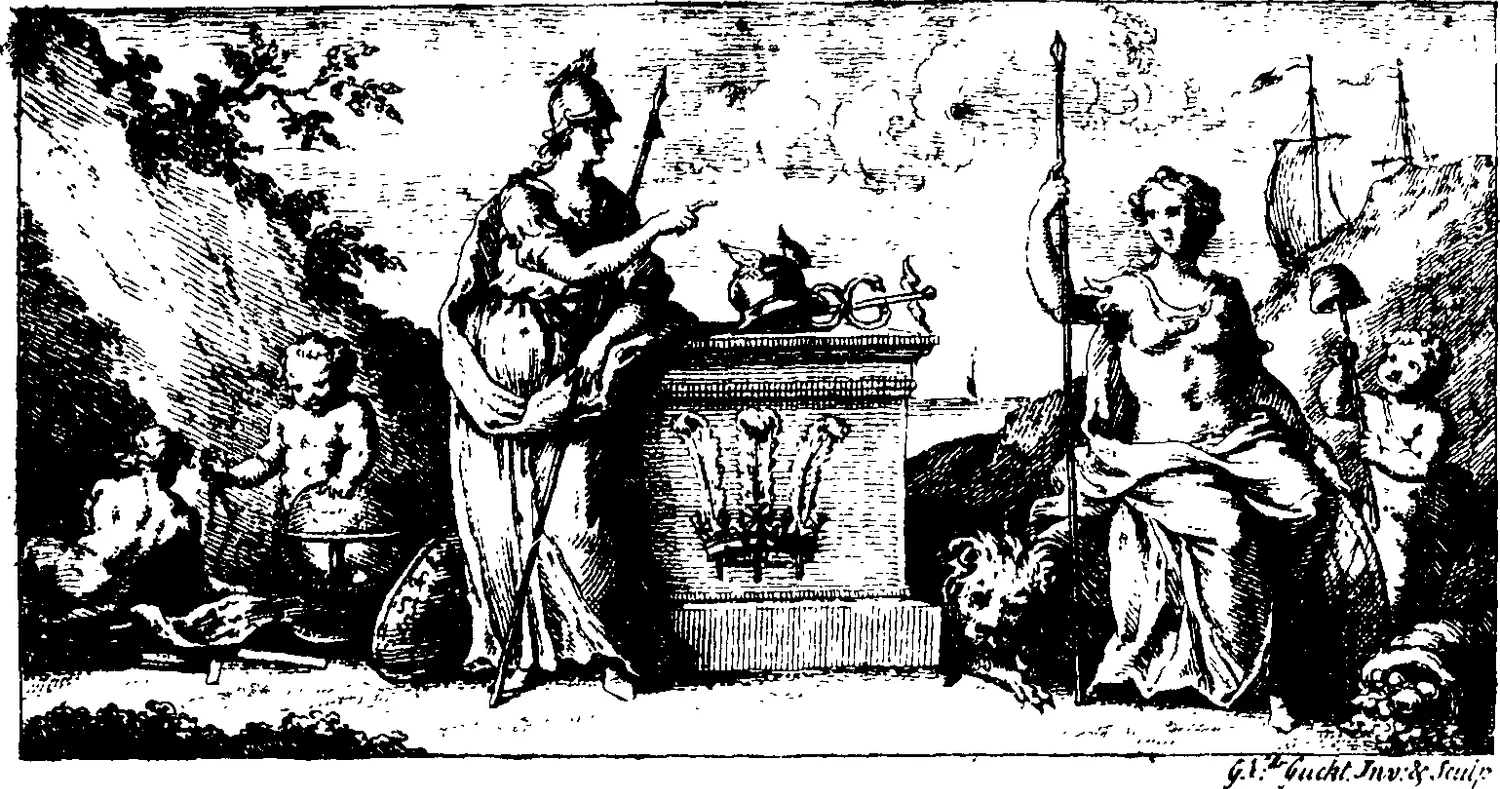
The history of the Peloponnesian war, translated from the Greek of Thucydides Fleuron
Wikimedia Commons
The ancient Greek historian Thucydides is remembered for his detailed account of the Peloponnesian War, a long conflict between the city-states of Athens and Sparta. Writing in the late 5th century BCE, Thucydides set himself apart from earlier historians by focusing on factual accuracy, careful analysis, and the use of primary sources. He lived through the war himself, serving as an Athenian general, which allowed him to observe events firsthand. His work, "History of the Peloponnesian War," is still studied as a model of historical investigation.
The Peloponnesian War began in 431 BCE and lasted until 404 BCE, pitting Athens, known for its democratic government and powerful navy, against Sparta, famous for its strict military society. Thucydides' history covers not only battles, but also the political decisions, alliances, and betrayals that shaped the course of the war. He describes how the plague struck Athens in 430 BCE, killing thousands, including the leader Pericles. Thucydides provides a vivid description of the devastation, relying on eyewitness accounts—an example of his use of evidence to build credibility.
Thucydides often analyzes the motives and actions of key leaders. For instance, he recounts Pericles' famous funeral oration, which honored Athenian soldiers and described the city's democratic values. Thucydides also critically examines the disastrous Athenian invasion of Sicily in 415 BCE, which led to massive losses and weakened Athens. These detailed accounts show his effort to explain the causes and consequences of major events, rather than simply listing them.
What sets Thucydides apart is his commitment to examining different perspectives. He often quotes speeches by both Athenian and Spartan leaders, showing how each side justified its actions. Thucydides admits when information is uncertain, noting where he had to reconstruct events from conflicting reports. Archaeological discoveries, such as inscriptions and ruins, have confirmed many details of his account, though some interpretations remain debated by scholars today.
Thucydides’ history changed the way people understood the past. Instead of relying on myths or legends, he sought out reliable information and analyzed the impact of leadership, geography, and human nature on history. His work connects to broader themes of conflict, power, and the importance of accurate records for understanding societies.
Interesting Fact: Thucydides was exiled from Athens for 20 years after failing to stop a Spartan attack, which gave him the chance to gather information from both sides of the war.
Comprehension quiz (8 questions)
1. Who wrote about the Peloponnesian War?
2. When did the war begin?
3. Which city-state had a strong navy?
4. Why did Thucydides use eyewitness accounts?
5. What happened during the plague in Athens?
6. How did Thucydides treat uncertain information?
7. Thucydides was exiled from Athens. True or false?
8. What does 'consequences' mean?
Perfect for the way you teach
- Build comprehension skills
- Auto-graded quiz
- Differentiated reading
- Read together at home
- Improve fluency
- Quiet reading time
- Reading curriculum support
- Independent practice
- Track Lexile growth