This learning resource is available in interactive and printable formats. The interactive worksheet can be played online and assigned to students. The Printable PDF version can be downloaded and printed for completion by hand.
This rigorous U.S. history reading passage explores the complexities and challenges of the World War II Home Front, focusing on how America mobilized its people and resources after entering the war. Students will analyze the causes, motivations, and consequences of wartime changes, examine multiple perspectives, and consider the nuanced impacts on different groups, including women, African Americans, and Japanese Americans. Key academic vocabulary is highlighted, and students are invited to think critically using evidence and primary source quotes. The passage and its activities align with C3 Framework and Common Core standards for historical thinking and informational text, supporting both reading comprehension and writing skills. Included are a glossary, timeline, multiple-choice quiz, writing prompts, graphic organizers, and a Spanish translation. Read aloud audio is available to support all learners. This passage is ideal for developing analytical skills and historical understanding in social studies classrooms.
CONTENT PREVIEW
Expand content preview
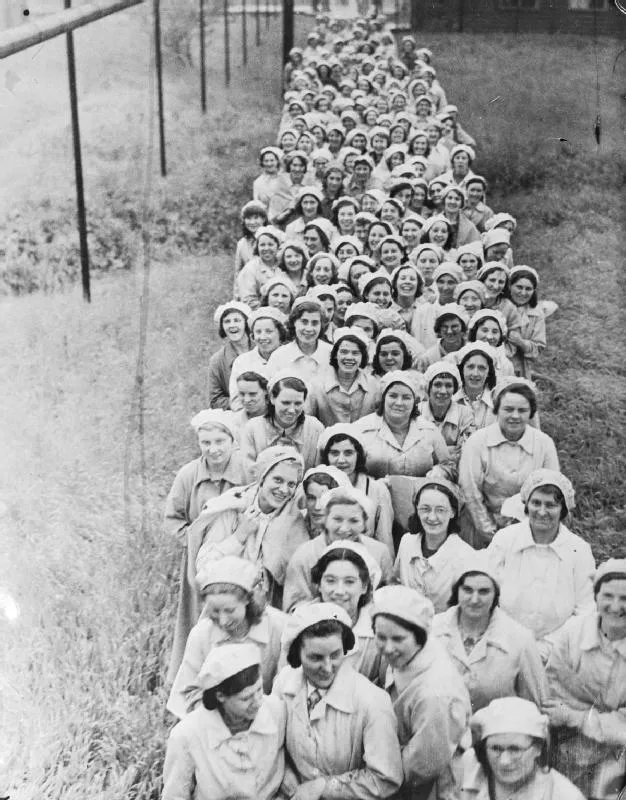
"Women War Workers on the Home Front D664" by Ministry of Information Photo Division Photographer/ Wikimedia Commons (Public domain).
During World War II, the United States experienced a massive transformation on the home front. As the nation joined the war after the attack on Pearl Harbor in December 1941, American society quickly mobilized to support the war effort. Factories that once produced cars and household goods shifted to making tanks, airplanes, and other military equipment. This rapid mobilization was essential for supplying U.S. and Allied forces overseas.
The process of mobilization required cooperation and change at every level of American life. Men and women joined the workforce in record numbers, including groups that had previously faced discrimination, such as African Americans and women. Many women took jobs in factories, earning the nickname “Rosie the Riveter.” The expansion of the workforce highlighted both new opportunities and ongoing social challenges. While women gained independence and new skills, they still earned less than men and often faced difficult working conditions. African Americans and other minorities also sought equal treatment in jobs and pay, sparking ongoing civil rights activism.
To support production for the military, Americans accepted significant sacrifices. The government introduced rationing, which limited the amount of goods like sugar, meat, gasoline, and rubber families could buy. Citizens received ration books and used stamps to purchase these items. This system helped ensure that enough resources reached soldiers and allies abroad. At the same time, the government encouraged people to plant victory gardens in backyards, parks, and empty lots. These gardens produced fresh vegetables to supplement families’ diets and reduce demand on commercial farms.
Americans also participated in war bonds drives, lending money to the government to fund military expenses. Posters, radio shows, and movie theaters promoted patriotic themes, urging everyone to do their part. However, not all Americans benefited equally. Japanese Americans on the West Coast were forced into internment camps, losing their homes and businesses because of government policies driven by wartime fear and prejudice. This injustice remains a controversial chapter in U.S. history.
The home front experience united many Americans in a common cause but also exposed inequalities and difficult choices. Families adapted to shortages, new roles, and the fear of losing loved ones overseas. The changes brought by World War II reshaped American society, leading to increased demands for equality and helping lay the groundwork for future civil rights movements.
Interesting Fact: More than 20 million victory gardens were planted across the United States during World War II, producing nearly 40% of all vegetables consumed on the home front.
What was the U.S. home front?
Civilian life during the warBattlefields in EuropeGovernment buildingsMilitary camps
What did factories produce during WWII?
Tanks and airplanesToys and gamesCell phonesFood only
What were victory gardens?
Gardens to grow food at homeMilitary basesPlaygroundsParks for soldiers
Why did the U.S. use rationing?
To save resources for soldiersTo lower pricesTo grow more foodTo stop imports
How did WWII change workforce opportunities?
Women and minorities gained jobsOnly men could workNo change happenedChildren worked in factories
Why were Japanese Americans forced into camps?
Wartime fear and prejudiceThey volunteeredFor extra foodTo join the army
The government encouraged planting victory gardens. True or false?
TrueFalse
What is 'mobilization'?
Preparing resources for warPlanting gardensMaking postersEnding the war
Perfect For:
👩🏫 Teachers
• Reading comprehension practice
• Auto-graded assessments
• Literacy skill development
👨👩👧👦 Parents
• Reading practice at home
• Comprehension improvement
• Educational reading time
🏠 Homeschoolers
• Reading curriculum support
• Independent reading practice
• Progress monitoring
Reading Features:
📖
Reading Passage
Engaging fiction or nonfiction text
❓
Comprehension Quiz
Auto-graded questions
📊
Instant Feedback
Immediate results and scoring
📄
Printable Version
Download for offline reading
🔊
Read Aloud
Voice-over with word highlighting
Reviews & Ratings
No reviews yet. Be the first to share your experience!
Related Content
Native American Tribes Across America
This engaging history reading passage introduces students to Native American tribes across America, focusing on their da...
D2.HIS.1.3-5D2.HIS.2.3-5RI.4.1RI.4.2
Teepees: Homes on the Great Plains
This engaging history reading passage introduces students to teepees, the unique homes of Native American tribes on the ...
D2.HIS.2.3-5D2.HIS.14.3-5RI.4.1RI.4.2RI.4.4
Traditional Native American Clothing
This engaging history passage explores traditional Native American clothing and how it reflected the environment, values...
D2.HIS.2.3-5D2.HIS.3.3-5RI.4.3RI.4.4
The Iroquois Confederacy: A System of Peace
This engaging U.S. History reading passage introduces students to the Iroquois Confederacy, a powerful alliance of Nativ...
D2.HIS.2.3-5D2.HIS.3.3-5RI.4.3RI.4.4
The Cherokee Nation: History and Culture
This reading passage explores the rich history and culture of the Cherokee Nation, one of the largest Native American tr...
D2.HIS.2.3-5D2.HIS.14.3-5RI.4.3RI.4.4RI.4.10
The Sioux: Warriors and Tribal Leaders
This history reading passage explores the Sioux Nation, focusing on their roles as warriors and tribal leaders. Students...
D2.HIS.1.3-5D2.HIS.2.3-5RI.4.1RI.4.3
Native American Respect for Nature
This engaging history reading passage explores Native American respect for nature, emphasizing the close relationship be...
D2.HIS.2.3-5D2.HIS.3.3-5RI.4.3RI.4.4
Jamestown: The First Permanent English Colony
This engaging history passage explores the founding of Jamestown, the first permanent English colony in America. Aligned...
D2.HIS.1.3-5D2.HIS.2.3-5RI.4.3RI.4.4
Pocahontas and the Powhatan People
This engaging reading passage explores the life of Pocahontas and the Powhatan people and their important role in early ...
D2.HIS.1.3-5D2.HIS.2.3-5RI.4.1RI.4.3
Colonial Children: School and Chores
This reading passage explores the daily lives of colonial children, focusing on their experiences at school and their ma...
D2.HIS.2.3-5D2.HIS.3.3-5RI.4.1RI.4.2RI.4.4
Colonial Clothing and Homemade Goods
This engaging U.S. history passage explores the daily life of early American colonists with a focus on colonial clothing...
D2.HIS.2.3-5RI.4.3RI.4.4
Colonial Jobs: Blacksmiths, Bakers, and Craftsmen
This engaging history reading passage explores the vital roles of blacksmiths, bakers, and craftsmen in colonial America...
D2.HIS.2.3-5D2.HIS.3.3-5RI.4.3RI.4.4
Colonial Towns and Village Life
This engaging history reading passage explores the daily life, work, and unity found in colonial towns and villages. Ali...
D2.HIS.1.3-5D2.HIS.2.3-5RI.4.3RI.4.4
Colonial Trade with England and Africa
This history reading passage explores colonial trade between the American colonies, England, and Africa, focusing on the...
D2.HIS.2.3-5D2.HIS.14.3-5RI.4.3RI.4.4
Benjamin Franklin: Printer, Inventor, and Leader
This history reading passage explores the life and achievements of Benjamin Franklin, one of America's most important ea...
D2.HIS.2.3-5D2.HIS.3.3-5RI.4.1RI.4.3
George Washington Leads the Army
This engaging history reading passage explores how George Washington bravely led the Continental Army during the America...
D2.HIS.1.3-5D2.HIS.2.3-5RI.4.3RI.4.4
Women and Children During the Revolutionary War
This reading passage explores the important roles women and children played during the Revolutionary War. Students will ...
D2.HIS.2.3-5RI.4.3RI.5.3
African Americans Fight for Freedom
This educational passage explores the brave and inspiring story of how African Americans fought for freedom in the Unite...
D2.HIS.2.3-5D2.HIS.3.3-5RI.4.3RI.4.4
The Battle of Yorktown Ends War
This engaging U.S. history reading passage explores the Battle of Yorktown, a key event that ended the American Revoluti...
D2.HIS.1.3-5D2.HIS.2.3-5RI.4.1RI.4.3
Loyalists vs. Patriots: Divided Families
This engaging U.S. history reading passage explores the division between Loyalists and Patriots during the American Revo...