Tropical Rainforest Biome
Interactive passage with audio narration, comprehension questions, and printable PDF.
By completing this purchase you agree to our Terms of Use and Privacy Policy. Your subscription renews automatically until you cancel. You can cancel anytime from your account settings. All sales are final and non-refundable. Digital content is available for download in your account immediately upon purchase.
What's included
Tropical Rainforest Biome preview and details
About this printable Tropical Rainforest Biome science reading passage, NGSS-aligned (Grades 5-8)
Sample passage and quiz from Tropical Rainforest Biome
Reading passage and comprehension quiz preview
Tropical Rainforest Biome Characteristics
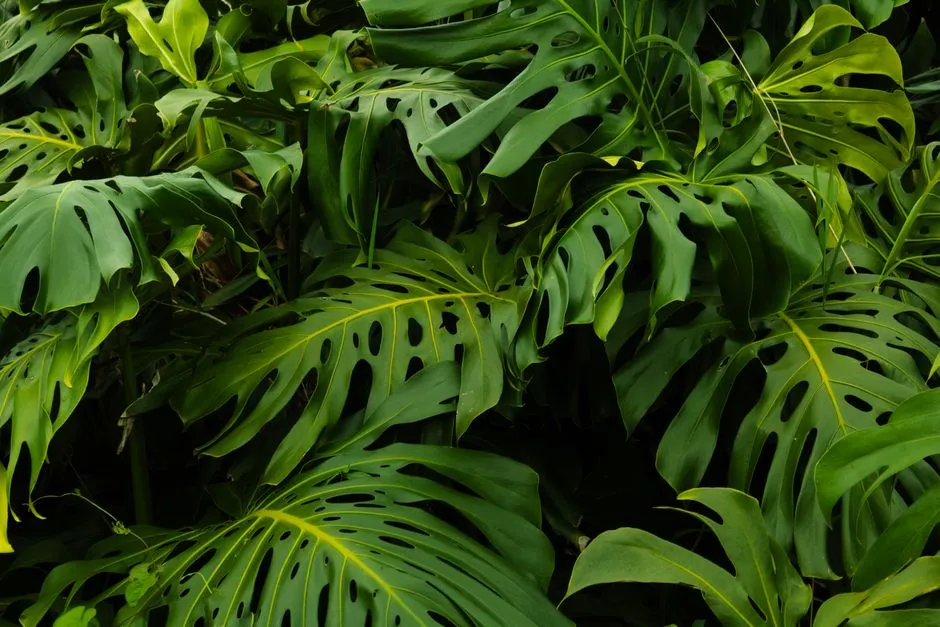
"Vibrant Monstera leaves in Colombian jungle, showcasing lush tropics and nature's elegance." by David Correa Franco / Pexels.
The tropical rainforest is one of Earth's most important biomes. It is found near the equator in places like South America, Africa, and Southeast Asia. Tropical rainforests are known for their warm temperatures and heavy rainfall. These areas receive more than 200 centimeters of precipitation each year, making them some of the wettest places on the planet.
A tropical rainforest has many unique features. The forest is divided into layers: the emergent layer, the canopy, the understory, and the forest floor. The emergent layer includes the tallest trees, which rise above all others and get the most sunlight. The canopy forms a thick roof that blocks much of the sunlight from reaching the lower layers. The understory is dark and cool, while the forest floor receives very little light and is covered with leaves and decomposing material.
One of the most important characteristics of tropical rainforests is their biodiversity. This means they have a large variety of living things. More than half of the world's plant and animal species live in these forests. Animals such as jaguars, toucans, monkeys, frogs, and insects have special adaptations that help them survive. For example, some frogs can climb trees using sticky pads, and sloths move slowly to avoid predators.
Tropical rainforests also have many different types of plants. Some trees grow very tall to reach sunlight, while others have large leaves to catch as much light as possible. The soil in these forests is often poor in nutrients, so many plants have shallow roots and some even grow on other plants to get what they need. The rainforest is an important ecosystem because it provides food, homes, and oxygen for living things around the world.
Tropical rainforests are also important for humans. They supply valuable resources like wood, medicine, and fruits. Many medicines come from rainforest plants. However, these forests are in danger because of deforestation, which means large areas are being cut down for farming or building. Protecting tropical rainforests is important for keeping Earth healthy.
Interesting Fact: Scientists believe that some plants and animals in tropical rainforests have not even been discovered yet!
Comprehension quiz (8 questions)
1. How much precipitation do rainforests get yearly?
2. Which layer gets the most sunlight?
3. What is biodiversity?
4. Why do some rainforest plants have large leaves?
5. What happens if rainforests disappear?
6. Which animal adaptation helps avoid predators?
7. Tropical rainforests are found near the equator.
8. What does 'deforestation' mean?
Perfect for the way you teach
- Build comprehension skills
- Auto-graded quiz
- Differentiated reading
- Read together at home
- Improve fluency
- Quiet reading time
- Reading curriculum support
- Independent practice
- Track Lexile growth