Biomes: Aquatic Ecosystems
Interactive passage with audio narration, comprehension questions, and printable PDF.
By completing this purchase you agree to our Terms of Use and Privacy Policy. Your subscription renews automatically until you cancel. You can cancel anytime from your account settings. All sales are final and non-refundable. Digital content is available for download in your account immediately upon purchase.
What's included
Biomes: Aquatic Ecosystems preview and details
About this printable Biomes: Aquatic Ecosystems science reading passage, NGSS-aligned (Grades 5-8)
Sample passage and quiz from Biomes: Aquatic Ecosystems
Reading passage and comprehension quiz preview
Biomes: Aquatic Ecosystems
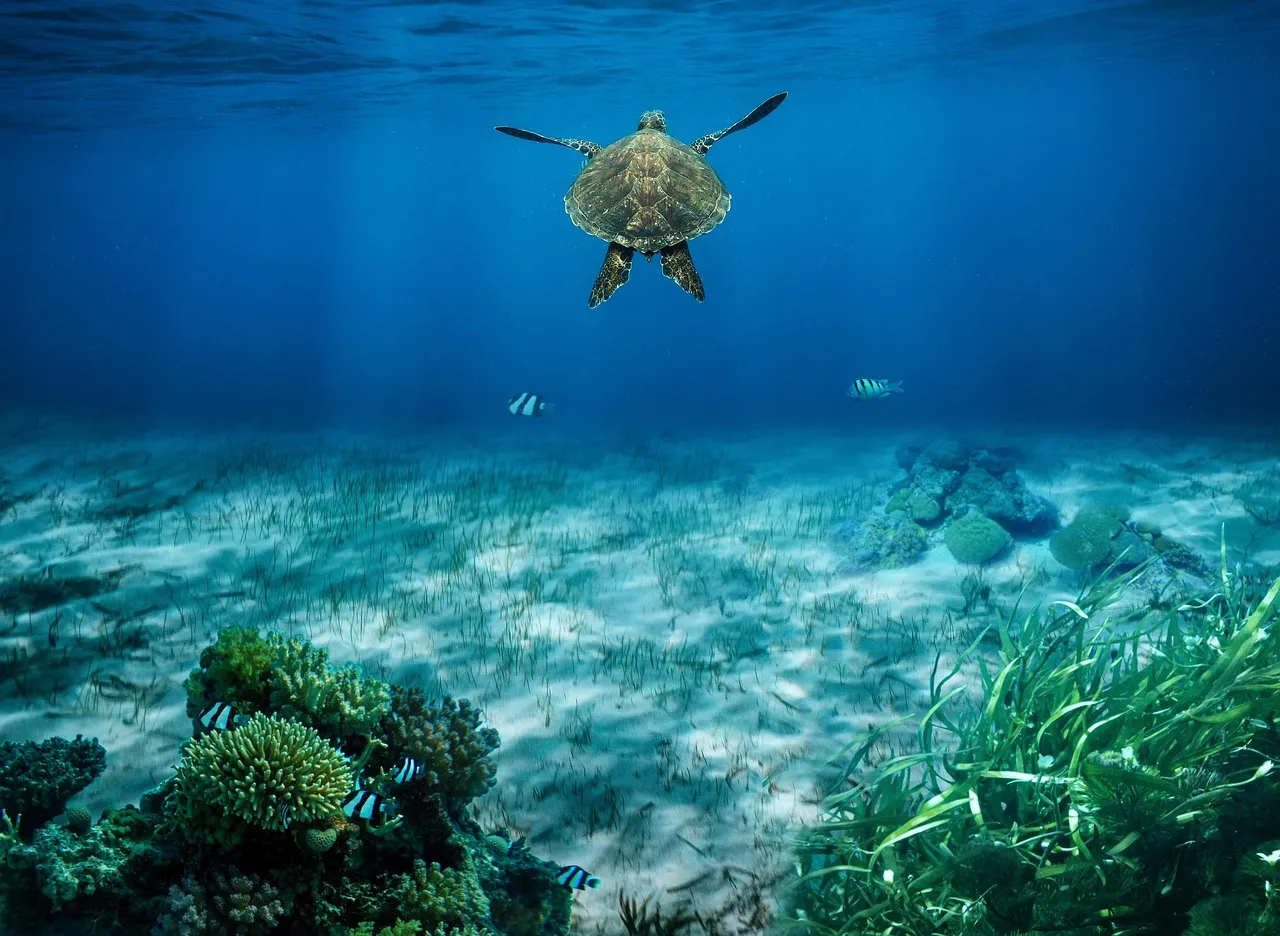
Aquatic ecosystems are vital biomes that cover more than 70% of Earth's surface and are essential for supporting life. From lakes and rivers to the vast oceans, these ecosystems provide habitat, food, and oxygen for countless organisms. The way living things interact with the physical environment in aquatic ecosystems demonstrates the complex relationships that sustain life. Scientists study these systems by measuring factors like depth, flow, temperature, and chemical composition, which help explain why different species thrive in different places.
Freshwater Ecosystems: Diversity and Key Factors
Freshwater ecosystems include lakes, ponds, rivers, streams, and wetlands. These environments differ in size, depth, and movement of water. For example, rivers and streams have faster flow rates, which increase dissolved oxygen levels and support species like trout that need high oxygen. In contrast, ponds and lakes often have more stable temperatures and can support plants that root in the bottom mud. Wetlands are especially important because they act as natural filters by trapping pollutants and sediment. Scientists have measured that wetlands can remove up to 60% of nitrogen and 40% of phosphorus from water. This helps keep downstream water clean. Wetlands also help control floods by absorbing excess rainwater and serve as nursery habitats for young fish and amphibians.
Marine Ecosystems: Zones and Adaptations
Marine ecosystems are divided into zones based on depth and light, including the intertidal, pelagic, benthic, and abyssal zones. The intertidal zone is exposed to air at low tide and covered by water at high tide, requiring organisms to adapt to changing conditions. Deeper zones like the abyssal have high pressure, cold temperatures, and no sunlight. Here, some organisms use bioluminescence to produce their own light. Coral reefs, found in shallow, warm waters, are among the most diverse ecosystems on Earth and rely on a delicate balance of light, temperature, and salinity. Estuaries, where rivers meet the sea, have variable salinity and serve as critical nurseries for many marine species.
Interactions and Broader Importance
The physical characteristics of aquatic ecosystems—such as depth, flow rate, temperature, salinity, and pressure—determine which organisms can survive. For instance, fish adapted to high salinity in the ocean cannot survive in freshwater lakes. Scientists use data from instruments like dissolved oxygen meters and temperature sensors to monitor ecosystem health. Human activities, such as pollution and wetland destruction, can disrupt these delicate systems, reducing biodiversity and water quality. Protecting aquatic ecosystems is essential not just for wildlife, but for clean water, food resources, and climate regulation.
By understanding how living and nonliving factors interact in aquatic ecosystems, scientists and communities can make better decisions to preserve these vital biomes. The ocean, Earth's largest biome, holds more than 95% of the planet’s water and supports life on a global scale, showing the interconnectedness of all ecosystems.
Interesting Fact: The deepest part of the ocean, the Mariana Trench, is over 36,000 feet deep—deeper than Mount Everest is tall!
Comprehension quiz (10 questions)
1. What percentage of Earth's surface is covered by aquatic ecosystems?
2. Which freshwater ecosystem acts as a natural filter, removing pollutants from water?
3. What is dissolved oxygen, as described in the passage?
4. Which zone is described as being exposed to air at low tide and underwater at high tide?
5. What does the term 'salinity' mean in the context of aquatic ecosystems?
6. Why are wetlands important for flood control?
7. What adaptation helps some organisms survive in the abyssal zone?
8. If a fish adapted to high salinity is placed in a freshwater lake, what will likely happen?
9. True or False: Coral reefs are found in deep, cold water.
10. True or False: The ocean contains over 95% of Earth's water.
Perfect for the way you teach
- Build comprehension skills
- Auto-graded quiz
- Differentiated reading
- Read together at home
- Improve fluency
- Quiet reading time
- Reading curriculum support
- Independent practice
- Track Lexile growth