Why Does Metal Feel Colder Than Wood — Reading Comprehension
Rate this
Premium Resource
Present
Present in classroom. No work saved
Assign
Classroom with student accounts, Track progress
Quick Play
No student accounts, assign with a link
Grades
3
4
5
Standards
NGSS 4-PS3-2
PRINT+DIGITAL RESOURCE
This learning resource is available in interactive and printable formats. The interactive worksheet can be played online and assigned to students. The Printable PDF version can be downloaded and printed for completion by hand.
This engaging 250-word reading passage helps fourth-grade students understand an important physical science concept: why metal feels colder than wood even when both materials are at the same temperature. Aligned with NGSS standard 4-PS3-2 and disciplinary core ideas PS3.A and PS3.B, the passage explains thermal conductors and insulators in age-appropriate language. Students learn that metal is a good thermal conductor that quickly pulls thermal energy away from warm skin, while wood is a poor conductor (good insulator) that pulls heat slowly. This passage corrects the common misconception that metal is actually colder than wood. The content includes real-world examples, bold key vocabulary terms with immediate definitions, and concrete analogies that fourth graders can relate to. Audio-integrated features support diverse learners. Supplementary activities include comprehension questions, writing prompts, and graphic organizers that reinforce understanding of heat transfer and material properties. Perfect for introducing energy transfer concepts in elementary physical science units.
CONTENT PREVIEW
Expand content preview
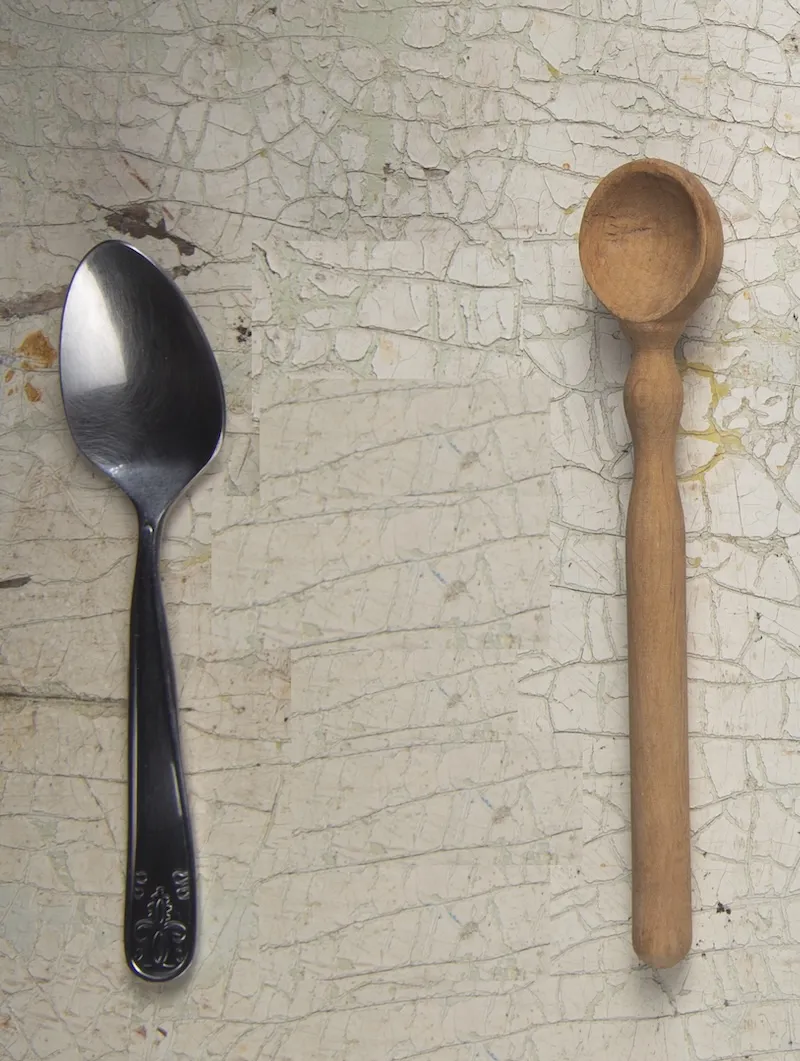
When you touch a metal spoon and a wooden spoon that have been sitting in the same room, the metal spoon feels much colder. But here is a surprising fact: both spoons are actually the same temperature! Understanding why they feel different helps us learn how heat moves between objects.
The difference you feel is caused by how quickly each material moves thermal energy—the energy that makes things feel hot or cold. Your hand is warmer than the spoons, so thermal energy moves from your hand into the spoons. Metal is a thermal conductor, which means it moves thermal energy very quickly. When you touch metal, it pulls heat away from your skin fast, making your hand feel cold.
Wood behaves differently. It is a poor conductor, also called an insulator. An insulator moves thermal energy very slowly. When you touch wood, it pulls heat away from your hand so slowly that your hand stays warm. Think of it like a sponge: metal is like a dry sponge that soaks up water quickly, while wood is like a damp sponge that absorbs water slowly.
This is why metal doorknobs feel cold in winter and hot in summer, while wooden doors feel comfortable year-round. Both materials match the room's temperature, but metal conducts heat to or from your hand much faster than wood does.
What are metal and wood at same temperature?
In different roomsIn the same roomIn the freezerIn the sun
What is thermal energy?
Energy that makes lightEnergy that makes soundEnergy that makes things hot or coldEnergy that makes things move
What does a thermal conductor do?
Moves heat very quicklyMoves heat very slowlyStops all heatMakes heat disappear
Why does metal feel cold to touch?
Metal is always colder than other thingsMetal pulls heat from your hand quicklyMetal does not conduct heatMetal is wet
What kind of material is wood?
A good thermal conductorAn insulatorA metalA liquid
Why do wooden doors feel comfortable year-round?
Wood is always coldWood moves heat very slowlyWood is warmer than metalWood never changes temperature
Metal and wood in same room are different temperatures.
TrueFalse
Which word means moves heat energy slowly?
ConductorInsulatorTemperatureThermal
Perfect For:
👩🏫 Teachers
• Reading comprehension practice
• Auto-graded assessments
• Literacy skill development
👨👩👧👦 Parents
• Reading practice at home
• Comprehension improvement
• Educational reading time
🏠 Homeschoolers
• Reading curriculum support
• Independent reading practice
• Progress monitoring
Reading Features:
📖
Reading Passage
Engaging fiction or nonfiction text
❓
Comprehension Quiz
Auto-graded questions
📊
Instant Feedback
Immediate results and scoring
📄
Printable Version
Download for offline reading
🔊
Read Aloud
Voice-over with word highlighting
Reviews & Ratings
No reviews yet. Be the first to share your experience!
Related Content
How Speed Affects Energy
This Grade 4 physical science reading passage introduces students to the relationship between speed and kinetic energy, ...
NGSS 4-PS3-2
Parts of a Circuit
This engaging 250-word passage introduces Grade 4-5 students to the essential components of electric circuits aligned wi...
NGSS 4-PS3-2
Why Does Ice Melt in Your Hand
This engaging 250-word reading passage introduces fourth-grade students to the fundamental concepts of thermal energy an...
NGSS 4-PS3-2
What Is Energy Transfer
This engaging reading passage introduces elementary students to the concept of energy transfer, aligned with NGSS standa...
NGSS 4-PS3-2
What Is Electric Current?
This 250-word informational science passage introduces elementary students to the concept of electric current and how it...
NGSS 4-PS3-2
How Circuits Work
This 250-word informational reading passage introduces Grade 4-5 students to the fundamental concepts of electric circui...
NGSS 4-PS3-2
Open and Closed Circuits
This engaging 250-word reading passage teaches Grade 4-5 students about open and closed circuits, aligned with NGSS 4-PS...
NGSS 4-PS3-2
What Are Conductors
This engaging Grade 4-5 science passage introduces students to conductors and their essential role in electrical systems...
NGSS 4-PS3-2
What Are Insulators
This engaging Grade 4-5 science passage explores insulators and their critical role in electrical safety. Students learn...
NGSS 4-PS3-2
Circuits in Daily Life
This engaging 250-word science passage introduces Grade 4-5 students to the concept of electric circuits in daily life. ...
NGSS 4-PS3-2
Why Do Lights Turn On With a Switch
This 250-word reading passage introduces fourth-grade students to the fundamental concept of how switches control electr...
NGSS 4-PS3-2
How Does a Flashlight Work
This 250-word informational reading passage helps Grade 4 students understand energy transformation through the familiar...
NGSS 4-PS3-2
How Circuits Convert Energy
This 250-word reading passage introduces Grade 4 students to the concept of energy conversion in electric circuits, alig...
NGSS 4-PS3-2
How Heat Moves Between Objects
This 250-word reading passage introduces fourth-grade students to the concept of heat transfer between objects in direct...