This learning resource is available in interactive and printable formats. The interactive worksheet can be played online and assigned to students. The Printable PDF version can be downloaded and printed for completion by hand.
This engaging Grade 4-5 science passage introduces students to conductors and their essential role in electrical systems. Aligned with NGSS 4-PS3-2, the passage explains how conductors are materials that allow electric current to flow through them easily. Students discover why metals like copper and aluminum make excellent conductors due to their special properties that let electrons move freely. The passage connects these scientific concepts to real-world applications, explaining why electrical wires in homes and devices are made from copper. Through clear explanations and relatable examples, students learn about the properties of conductors and their importance in everyday technology. The audio-integrated content includes a simplified differentiated version for diverse learners, Spanish translations, interactive comprehension questions, writing activities, and graphic organizers that help students organize their understanding of conductor properties and applications. This comprehensive resource supports elementary science education with age-appropriate vocabulary and concrete examples that make abstract electrical concepts accessible to young learners.
CONTENT PREVIEW
Expand content preview
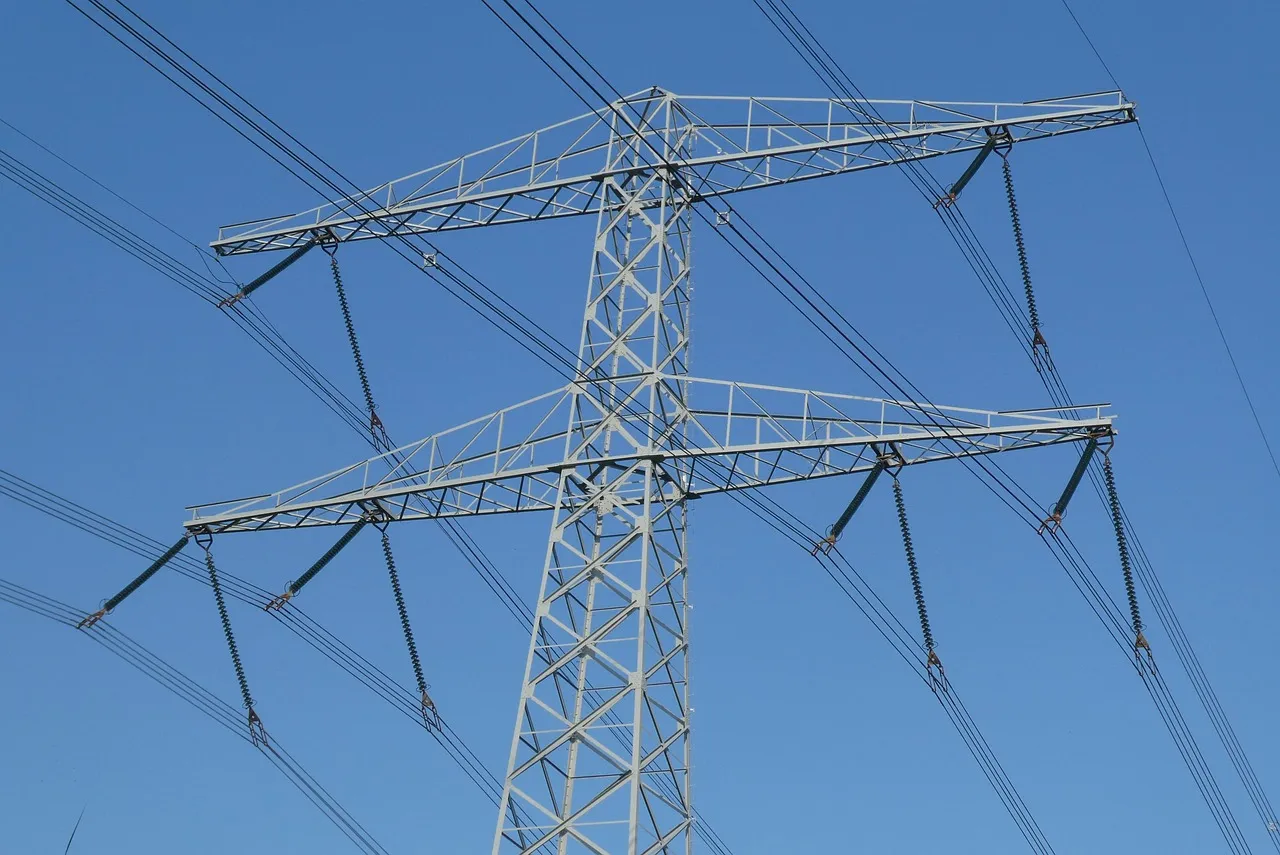
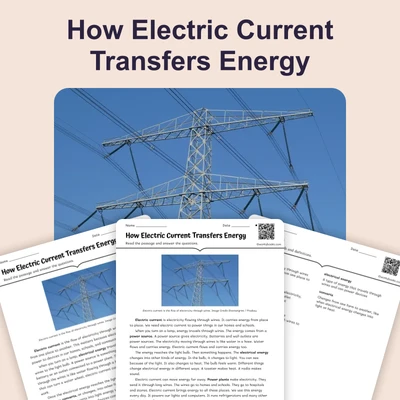
Thick aluminum wires to carry electricity from power plants to homes and schools. Image Credit Elsemargriet / Pixabay.
A conductor is a material that lets electric current flow through it easily. Electric current is the movement of electricity from one place to another. Conductors are important because they help electricity travel from where it is made to where we need it.
Most metals are good conductors. Metals are materials like copper, aluminum, and iron. These metals allow electricity to move through them very well. That is why electrical wires are made of metal, usually copper. When you plug in a lamp or charge a phone, electricity flows through metal wires inside the cord.
Copper is one of the best conductors. It is used in most electrical wires in homes, schools, and buildings. Aluminum is also a good conductor and is sometimes used in power lines that carry electricity long distances. Iron can conduct electricity too, but not as well as copper or aluminum.
Think of a conductor like a smooth slide on a playground. Just as a slide lets you move down quickly and easily, a conductor lets electricity move through it quickly and easily. Materials that do not let electricity flow through them easily are called insulators. Rubber and plastic are insulators. That is why the outside of electrical cords is covered with plastic—it keeps the electricity safely inside the metal wire.
What is a conductor?
A material that blocks electricityA material that lets electricity flow easilyA type of plastic coveringA kind of battery
Which metal is used in most electrical wires?
IronAluminumCopperSteel
What is electric current?
A type of metalThe movement of electricityA plastic coveringA power plant
Why are electrical wires made of metal?
Metals are colorfulMetals are cheapMetals let electricity flow through them wellMetals are heavy
What happens when you plug in a lamp?
Electricity flows through metal wiresThe plastic meltsThe conductor stops workingThe insulator turns on
Why is plastic used on electrical cords?
To make them colorfulTo keep electricity safely inside the wireTo help electricity flow fasterTo make them conduct better
Rubber and plastic are good conductors of electricity.
TrueFalse
What does the word 'insulator' mean?
A material that conducts electricity wellA type of metal wireA material that does not let electricity flow easilyA way to make electricity
Perfect For:
👩🏫 Teachers
• Reading comprehension practice
• Auto-graded assessments
• Literacy skill development
👨👩👧👦 Parents
• Reading practice at home
• Comprehension improvement
• Educational reading time
🏠 Homeschoolers
• Reading curriculum support
• Independent reading practice
• Progress monitoring
Reading Features:
📖
Reading Passage
Engaging fiction or nonfiction text
❓
Comprehension Quiz
Auto-graded questions
📊
Instant Feedback
Immediate results and scoring
📄
Printable Version
Download for offline reading
🔊
Read Aloud
Voice-over with word highlighting
Reviews & Ratings
No reviews yet. Be the first to share your experience!
Related Content
How Speed Affects Energy
This Grade 4 physical science reading passage introduces students to the relationship between speed and kinetic energy, ...
NGSS 4-PS3-2
Parts of a Circuit
This engaging 250-word passage introduces Grade 4-5 students to the essential components of electric circuits aligned wi...
NGSS 4-PS3-2
Why Does Ice Melt in Your Hand
This engaging 250-word reading passage introduces fourth-grade students to the fundamental concepts of thermal energy an...
NGSS 4-PS3-2
What Is Energy Transfer
This engaging reading passage introduces elementary students to the concept of energy transfer, aligned with NGSS standa...
NGSS 4-PS3-2
What Is Electric Current?
This 250-word informational science passage introduces elementary students to the concept of electric current and how it...
NGSS 4-PS3-2
How Circuits Work
This 250-word informational reading passage introduces Grade 4-5 students to the fundamental concepts of electric circui...
NGSS 4-PS3-2
Open and Closed Circuits
This engaging 250-word reading passage teaches Grade 4-5 students about open and closed circuits, aligned with NGSS 4-PS...
NGSS 4-PS3-2
What Are Insulators
This engaging Grade 4-5 science passage explores insulators and their critical role in electrical safety. Students learn...
NGSS 4-PS3-2
Circuits in Daily Life
This engaging 250-word science passage introduces Grade 4-5 students to the concept of electric circuits in daily life. ...
NGSS 4-PS3-2
Why Do Lights Turn On With a Switch
This 250-word reading passage introduces fourth-grade students to the fundamental concept of how switches control electr...
NGSS 4-PS3-2
How Does a Flashlight Work
This 250-word informational reading passage helps Grade 4 students understand energy transformation through the familiar...
NGSS 4-PS3-2
Why Does Metal Feel Colder Than Wood
This engaging 250-word reading passage helps fourth-grade students understand an important physical science concept: why...
NGSS 4-PS3-2
How Circuits Convert Energy
This 250-word reading passage introduces Grade 4 students to the concept of energy conversion in electric circuits, alig...
NGSS 4-PS3-2
How Heat Moves Between Objects
This 250-word reading passage introduces fourth-grade students to the concept of heat transfer between objects in direct...
NGSS 4-PS3-2
Heat Energy Transfer
This Grade 4 physical science reading passage explores heat energy transfer aligned to NGSS standard 4-PS3-2 and Discipl...
NGSS 4-PS3-2
How Electric Current Transfers Energy
This 250-word reading passage introduces fourth-grade students to the concept of energy transfer through electric curren...
NGSS 4-PS3-2
How Does a Thermos Keep Drinks Hot
This Grade 4 physical science reading passage explores how electrical circuits convert energy from one form to another i...