Xenophon: Soldier and Historian — Reading Comprehension
Rate this
Premium Resource
Present
Present in classroom. No work saved
Assign
Classroom with student accounts, Track progress
Quick Play
No student accounts, assign with a link
Grades
6
7
8
PRINT+DIGITAL RESOURCE
This learning resource is available in interactive and printable formats. The interactive worksheet can be played online and assigned to students. The Printable PDF version can be downloaded and printed for completion by hand.
This history reading passage explores the life and significance of Xenophon, a notable ancient Greek soldier, historian, and writer. Students will learn about Xenophon’s military adventures, his works documenting Greek life and politics, and his connections to Socrates and Sparta. The passage includes vocabulary support, a Spanish translation, audio, and activities to deepen understanding. Aligned with CA HSS 6.4.2 and CCSS RH.6-8.1, this resource challenges students to analyze cause and effect, use evidence, and understand the impact of historical figures on ancient and modern societies. The reading also supports ELA skills through comprehension questions and writing prompts, and features a timeline, glossary, and graphic organizers to promote critical thinking and historical literacy.
CONTENT PREVIEW
Expand content preview
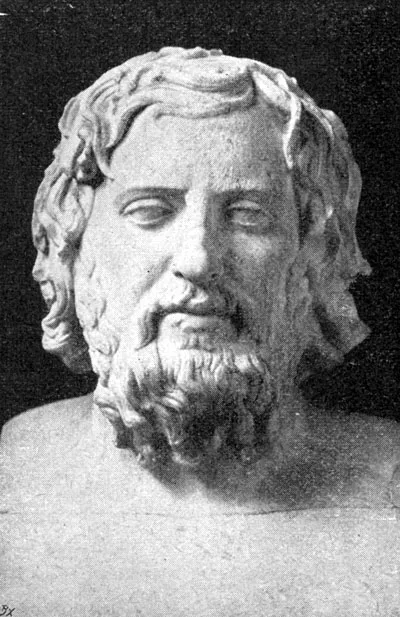
"Xenophon" / Wikimedia Commons (Public domain).
Xenophon was a remarkable figure in ancient Greek history, known both for his career as a soldier and for his influential writings. Born around 430 BCE in Athens, Xenophon lived during a time of intense conflict and change among Greek city-states. His unique life allowed him to witness and record events that have shaped our understanding of ancient Greece.
Xenophon first became well known as a soldier. He joined the famous Greek mercenary army, known as the Ten Thousand, which was hired to fight in Persia around 401 BCE. After their leader was killed, Xenophon was elected a commander. He led the army on a dangerous retreat across hostile territory, a journey he later described in his work Anabasis. This firsthand account provides historians with detailed information about Persian geography and the challenges of ancient warfare. Archaeological evidence, such as ancient equipment and remnants of campsites along the route from Asia Minor to the Black Sea, supports elements of Xenophon’s narrative.
In addition to his military achievements, Xenophon became a prolific writer. He wrote about many subjects, but two of his most significant works focus on Sparta and the philosopher Socrates. In Constitution of the Spartans, he described the strict training and social order of Sparta, emphasizing their values of discipline and duty. His writings are among the few primary sources that give insight into daily life and the social hierarchy of Sparta. Xenophon’s recollections of Socrates are also crucial. Although he was not the only student of Socrates, his writings offer a perspective that complements those of Plato and reveal details about Socratic philosophy and Athenian society.
Xenophon’s works have had a lasting impact. His military leadership inspired later generals, and his detailed observations help historians understand both the similarities and differences between Athens and Sparta. Xenophon’s experiences show how geography, such as the rugged terrain of Anatolia, influenced military campaigns and shaped Greek strategies. Over time, his accounts have been compared with other ancient sources, revealing both unique insights and, at times, controversial opinions. For example, some historians debate whether Xenophon was too sympathetic to Sparta, given his admiration for their society.
Today, Xenophon is remembered not only for his adventures but also for his contribution to historical writing. His ability to combine personal experience with careful observation makes his works valuable for studying ancient Greece. His legacy reminds us that individual perspectives help shape our understanding of history and that primary sources are essential for reconstructing the past.
Interesting Fact:Did You Know? Xenophon was exiled from Athens for a time because of his support for Sparta, but later returned and continued to write about Greek politics and history.
Xenophon’s life and writings connect to broader themes of leadership, cultural values, and the importance of historical sources in understanding the ancient world.
Where was Xenophon born?
AthensSpartaPersiaRome
What was the Ten Thousand?
Greek mercenary armyPersian navyAthenian councilSpartan school
Which philosopher did Xenophon write about?
SocratesPlatoAristotlePericles
Why is Anabasis important to historians?
Shows Greek military lifeDescribes Egyptian pyramidsExplains Roman roadsLists Greek gods
What effect did Xenophon’s exile have?
He wrote more about GreeceHe stopped writingHe joined PersiaHe became king
What is a primary source?
Original historical recordModern textbookMapFiction story
Xenophon admired Sparta. True or false?
TrueFalse
What does 'mercenary' mean?
Paid soldierTeacherFarmerSculptor
Perfect For:
👩🏫 Teachers
• Reading comprehension practice
• Auto-graded assessments
• Literacy skill development
👨👩👧👦 Parents
• Reading practice at home
• Comprehension improvement
• Educational reading time
🏠 Homeschoolers
• Reading curriculum support
• Independent reading practice
• Progress monitoring
Reading Features:
📖
Reading Passage
Engaging fiction or nonfiction text
❓
Comprehension Quiz
Auto-graded questions
📊
Instant Feedback
Immediate results and scoring
📄
Printable Version
Download for offline reading
🔊
Read Aloud
Voice-over with word highlighting
Reviews & Ratings
No reviews yet. Be the first to share your experience!
Related Content
Geography of Ancient Greece
This rigorous history reading passage explores 'The Geography of Ancient Greece,' examining how the region’s mountains, ...
Homer: Epic Poet of Ancient Greece
This history reading passage explores the life and historical significance of Homer, the legendary epic poet of Ancient ...
Ancient Sparta
This reading passage explores the unique military society of Sparta, an influential city-state in Ancient Greece. Studen...
Greek Polis
This in-depth history reading passage explores the rise and development of the Greek polis, or city-state, a foundationa...
Ancient Greek City-States
This history reading passage explores the development and significance of city-states in ancient civilizations, focusing...
Greece's Lasting Legacy
This engaging history reading passage explores the enduring legacy of Ancient Greece and its profound influence on the m...
Evidence in Ancient History
This engaging history reading passage investigates how archaeologists and historians discover clues about how ancient pe...
Ancient Philosophy
This reading passage takes students on a journey through the philosophical traditions of ancient Greece, India, and Chin...
Euripides and Greek Drama
This engaging passage introduces students to Euripides, one of the greatest ancient Greek playwrights, known for his exp...
Women in Ancient Societies
This reading passage explores the complex roles of women in the ancient world, focusing on civilizations such as Mesopot...
Sophocles and Greek Tragedy
This passage explores the life and legacy of Sophocles, one of the most influential playwrights of ancient Greece, whose...
Ancient Literature
This passage explores the importance of ancient stories and poems from civilizations such as Greece, India, and Israel. ...
Ancient Science and Medicine
This comprehensive reading passage explores the development of science and medicine in ancient civilizations, including ...
Slavery in Ancient World
This passage explores the complex history of slavery in the ancient world, examining its presence in societies such as M...
Ancient Theocracy
This engaging history reading passage explores the concept of theocracy in ancient civilizations, where priests and reli...
Ancient Mathematics
This passage explores the essential role of mathematics in ancient civilizations, including Mesopotamia, Egypt, Greece, ...
Ancient Canaan
This educational passage explores the land of Canaan, the historical homeland of the ancient Israelites. Students will l...
Geography of Ancient Israel
This passage explores the rich geography of Ancient Israel, focusing on how landforms, climate, and natural resources sh...
Ancient Writing Systems
This engaging history reading passage explores the origins and evolution of ancient writing systems, including cuneiform...
Ancient Agriculture Farming
This passage explores the transformative impact of farming on ancient societies, examining how the Neolithic Revolution ...