Air Pressure
Interactive passage with audio narration, comprehension questions, and printable PDF.
By completing this purchase you agree to our Terms of Use and Privacy Policy. Your subscription renews automatically until you cancel. You can cancel anytime from your account settings. All sales are final and non-refundable. Digital content is available for download in your account immediately upon purchase.
What's included
Air Pressure preview and details
About this printable Air Pressure science reading passage, NGSS-aligned (Grades 5-8)
Sample passage and quiz from Air Pressure
Reading passage and comprehension quiz preview
Air Pressure
Air pressure is a fundamental concept in atmospheric science. It refers to the force that air molecules exert as they press against the surfaces around us. The weight of the entire atmosphere above Earth's surface creates this pressure. Understanding air pressure is crucial for predicting weather changes and explaining how air moves across our planet.
How Air Pressure Works
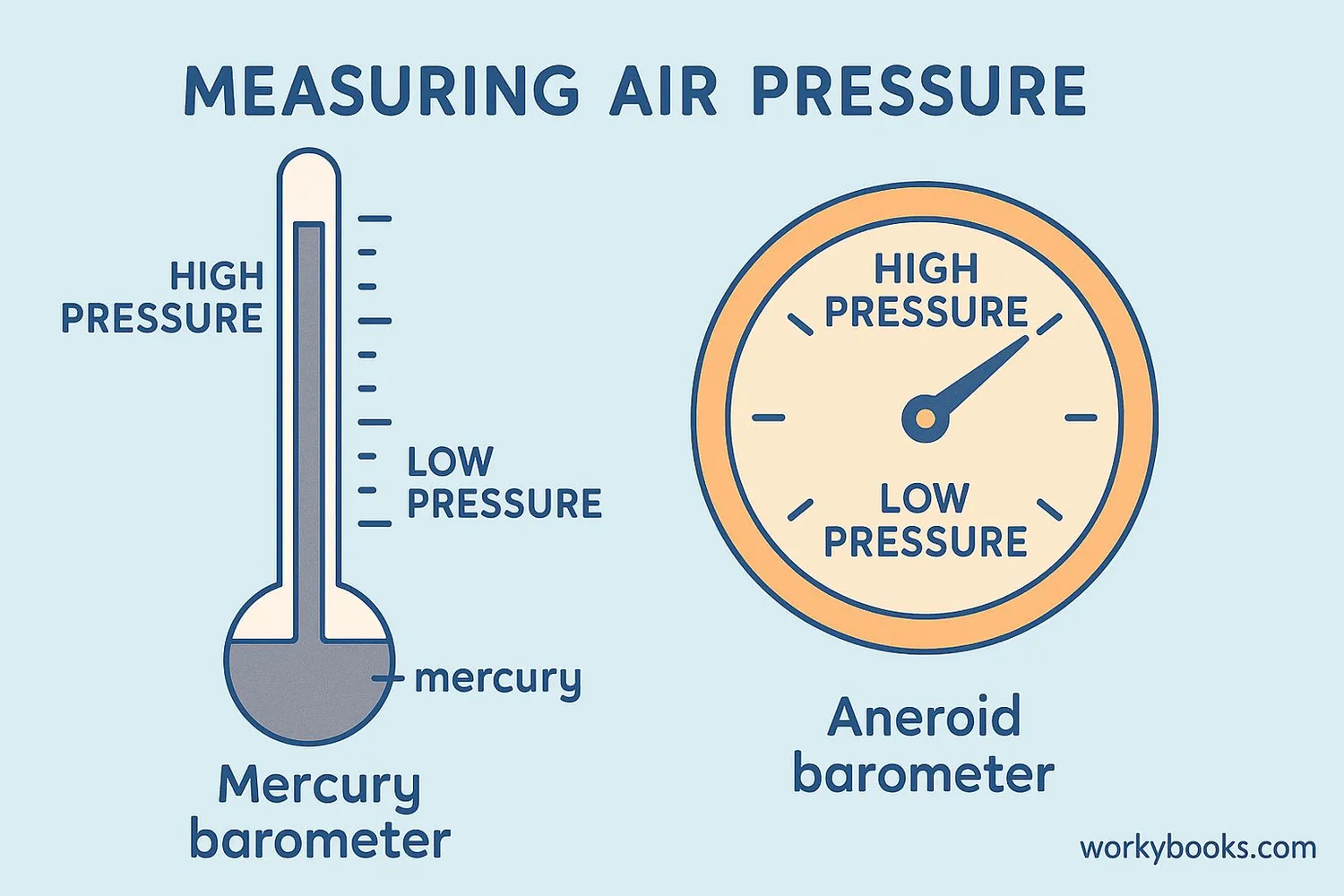
At any moment, thousands of air molecules are moving rapidly in all directions. When these molecules collide with surfaces, they exert a force called pressure. The atmosphere is thickest at sea level, which means there are more molecules above you, resulting in higher pressure. As you move to higher altitudes—like climbing a mountain—there are fewer molecules above, and air pressure decreases. For example, at the top of Mount Everest, air pressure is only about 300 millibars (mb), compared to the standard sea level pressure of 1013.25 mb. Scientists use instruments called barometers to measure air pressure. A mercury barometer uses the height of liquid mercury to indicate pressure, while an aneroid barometer uses a sealed, flexible chamber.
Air Pressure and Weather Systems
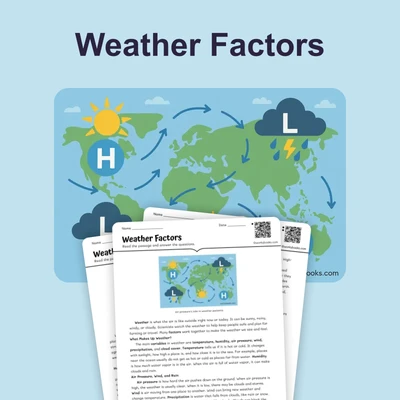
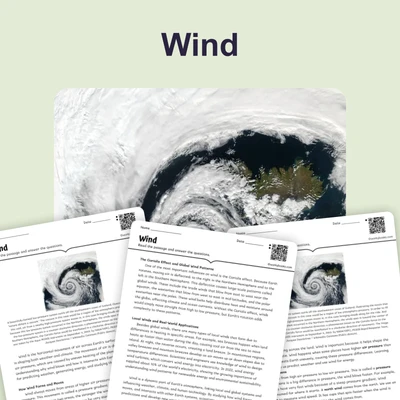
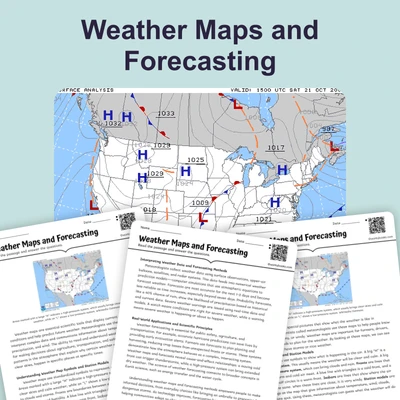
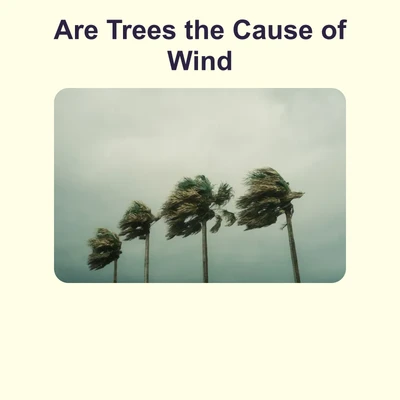
Differences in air pressure drive the movement of wind. Air naturally moves from areas of high pressure to areas of low pressure. This movement creates wind, which can vary from a gentle breeze to strong storms. High-pressure systems are associated with sinking air, leading to clear skies and stable weather. In contrast, low-pressure systems involve rising air, which cools and forms clouds, often resulting in precipitation or storms. Weather maps use lines called isobars to connect points of equal pressure. Closely spaced isobars indicate stronger winds because the pressure changes rapidly over a short distance.
Measuring and Applying Air Pressure
Air pressure is measured in units such as millibars (mb), inches of mercury, atmospheres, or Pascals. Weather experts monitor air pressure to predict changes in the weather. For example, a sudden drop in pressure can signal an approaching storm. Understanding air pressure also helps pilots, mountain climbers, and athletes prepare for changes in oxygen availability and weather conditions. On a larger scale, air pressure patterns help explain global wind systems and climate zones.
Understanding air pressure connects to larger scientific principles, such as the behavior of gases (the gas laws) and the cycling of energy in Earth's systems. By studying air pressure, scientists can better predict weather events, prepare for natural disasters, and understand the interconnected processes that shape our environment.
Interesting Fact: The highest barometric pressure ever recorded at sea level was 1084 millibars in Siberia in 1968—a result of extremely cold, dense air.
Comprehension quiz (10 questions)
1. What does air pressure measure?
2. Which tool do scientists use to measure air pressure?
3. What happens to air pressure as altitude increases?
4. What causes wind to blow?
5. What is the standard air pressure at sea level in millibars (mb)?
6. What does the word 'isobars' mean as used in the passage?
7. In the passage, what does 'precipitation' refer to?
8. Why do closely spaced isobars on a weather map matter?
9. True or False: Air moves from low-pressure areas to high-pressure areas.
10. True or False: High-pressure systems are usually linked to clear skies and stable weather.
Perfect for the way you teach
- Build comprehension skills
- Auto-graded quiz
- Differentiated reading
- Read together at home
- Improve fluency
- Quiet reading time
- Reading curriculum support
- Independent practice
- Track Lexile growth