Weather Factors
Interactive passage with audio narration, comprehension questions, and printable PDF.
By completing this purchase you agree to our Terms of Use and Privacy Policy. Your subscription renews automatically until you cancel. You can cancel anytime from your account settings. All sales are final and non-refundable. Digital content is available for download in your account immediately upon purchase.
What's included
Weather Factors preview and details
About this printable Weather Factors science reading passage, NGSS-aligned (Grades 5-8)
Sample passage and quiz from Weather Factors
Reading passage and comprehension quiz preview
Weather Factors
Weather describes the short-term conditions in the atmosphere at a specific place and time. On a single day, people might experience sunny skies, heavy rain, or strong winds. Scientists study weather to predict events that can affect our safety, agriculture, and transportation. Several key factors work together to shape the weather we observe every day.
How Weather Factors Interact
The main variables that determine weather are temperature, humidity, air pressure, wind, precipitation, and cloud cover. Temperature measures how hot or cold the air is and is influenced by solar radiation, altitude, latitude, and whether the location is near oceans or land. For example, coastal cities usually have milder temperatures because water heats and cools more slowly than land. Humidity refers to the amount of water vapor in the air. Relative humidity is the percentage of water vapor present compared to the maximum possible at a given temperature. When air is saturated (100% relative humidity), clouds may form and lead to precipitation.
Air Pressure, Wind, and Precipitation
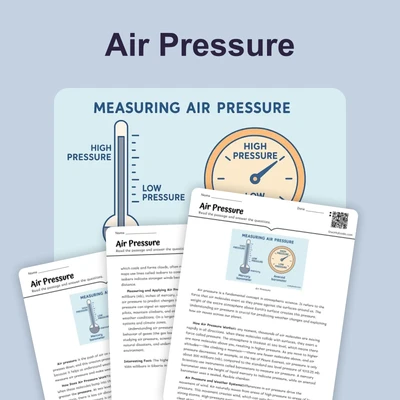
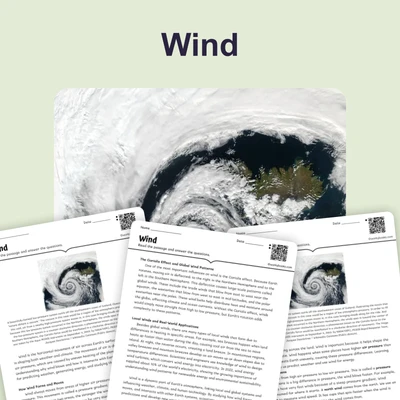
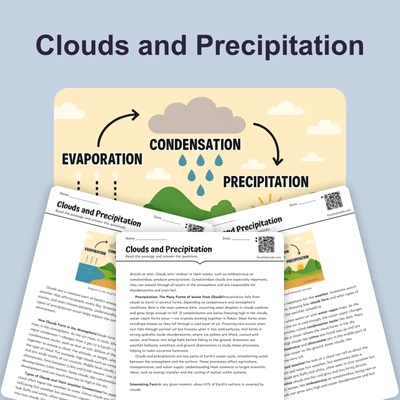
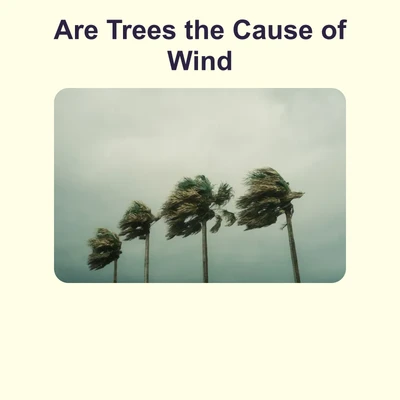
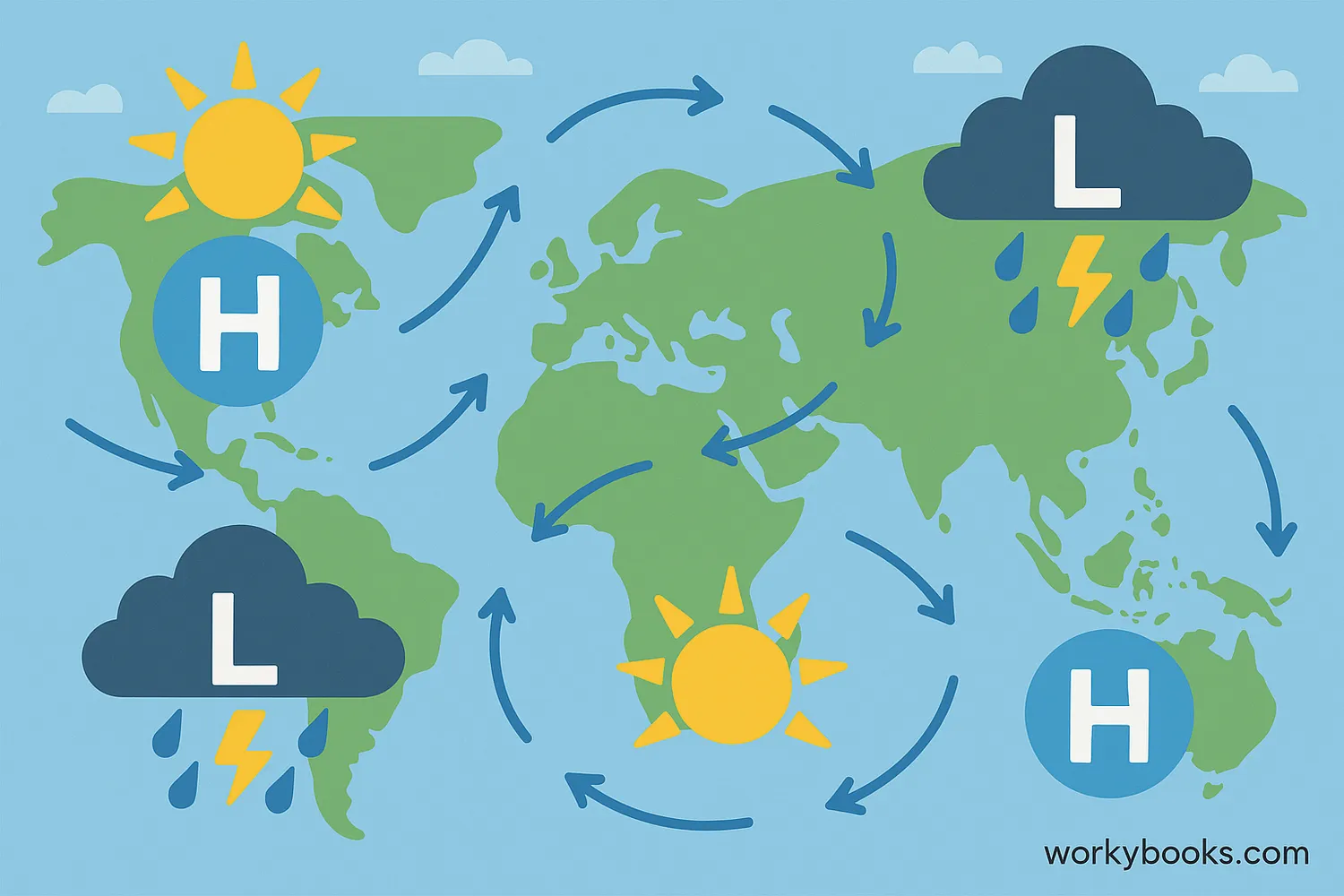
Air pressure is the force of air molecules pressing down on Earth’s surface. High-pressure systems are usually associated with clear, calm weather, while low-pressure systems can bring clouds and storms. Wind is the movement of air caused by differences in air pressure. Wind speed and direction are important because they move weather systems and affect temperature and humidity. Precipitation includes all forms of water—such as rain, snow, sleet, or hail—that fall from clouds to Earth. Cloud cover can also influence weather by blocking sunlight and cooling the ground, or by trapping heat at night.
Weather vs. Climate and Data Collection
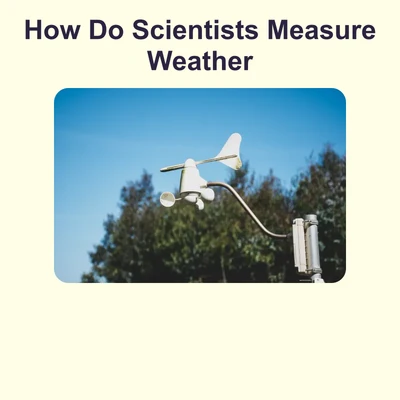
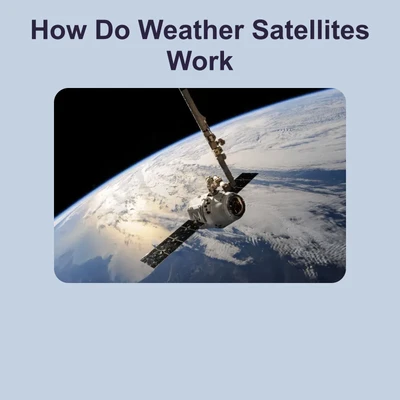
Weather is different from climate. While weather describes conditions over hours or days, climate is the pattern of weather in a region over decades. Scientists gather weather data using instruments such as thermometers (for temperature), barometers (for air pressure), hygrometers (for humidity), rain gauges (for precipitation), anemometers (for wind speed), and advanced tools like weather balloons and satellites. Accurate data helps meteorologists build models to forecast weather and understand long-term climate trends.
Weather factors interact as part of Earth’s systems, causing complex chains of cause and effect. For instance, a drop in air pressure may signal an approaching storm, which brings wind and precipitation, changing local temperature and humidity. Understanding these interactions is crucial for predicting weather and preparing for natural events.
Interesting Fact: The highest temperature ever recorded on Earth was 56.7°C (134°F) in Death Valley, California, in 1913!
Comprehension quiz (10 questions)
1. Which of the following is NOT a main weather factor described in the passage?
2. What tool do scientists use to measure air pressure?
3. What does 'precipitation' mean in the context of weather?
4. Which statement best describes the difference between weather and climate?
5. What causes wind, according to the passage?
6. What does the word 'variables' mean as used in the passage?
7. Why are coastal cities usually milder in temperature than inland cities?
8. What is one effect of low air pressure mentioned in the passage?
9. True or False: Relative humidity is the maximum amount of water vapor air can hold.
10. True or False: Weather balloons and satellites are used to collect weather data.
Perfect for the way you teach
- Build comprehension skills
- Auto-graded quiz
- Differentiated reading
- Read together at home
- Improve fluency
- Quiet reading time
- Reading curriculum support
- Independent practice
- Track Lexile growth