Ancient Architectural Marvels
Interactive passage with audio narration, comprehension questions, and printable PDF.
By completing this purchase you agree to our Terms of Use and Privacy Policy. Your subscription renews automatically until you cancel. You can cancel anytime from your account settings. All sales are final and non-refundable. Digital content is available for download in your account immediately upon purchase.
What's included
Ancient Architectural Marvels preview and details
About this printable Ancient Architectural Marvels reading passage (Grades 6-8)
Sample passage and quiz from Ancient Architectural Marvels
Reading passage and comprehension quiz preview
Ancient Architectural Marvels
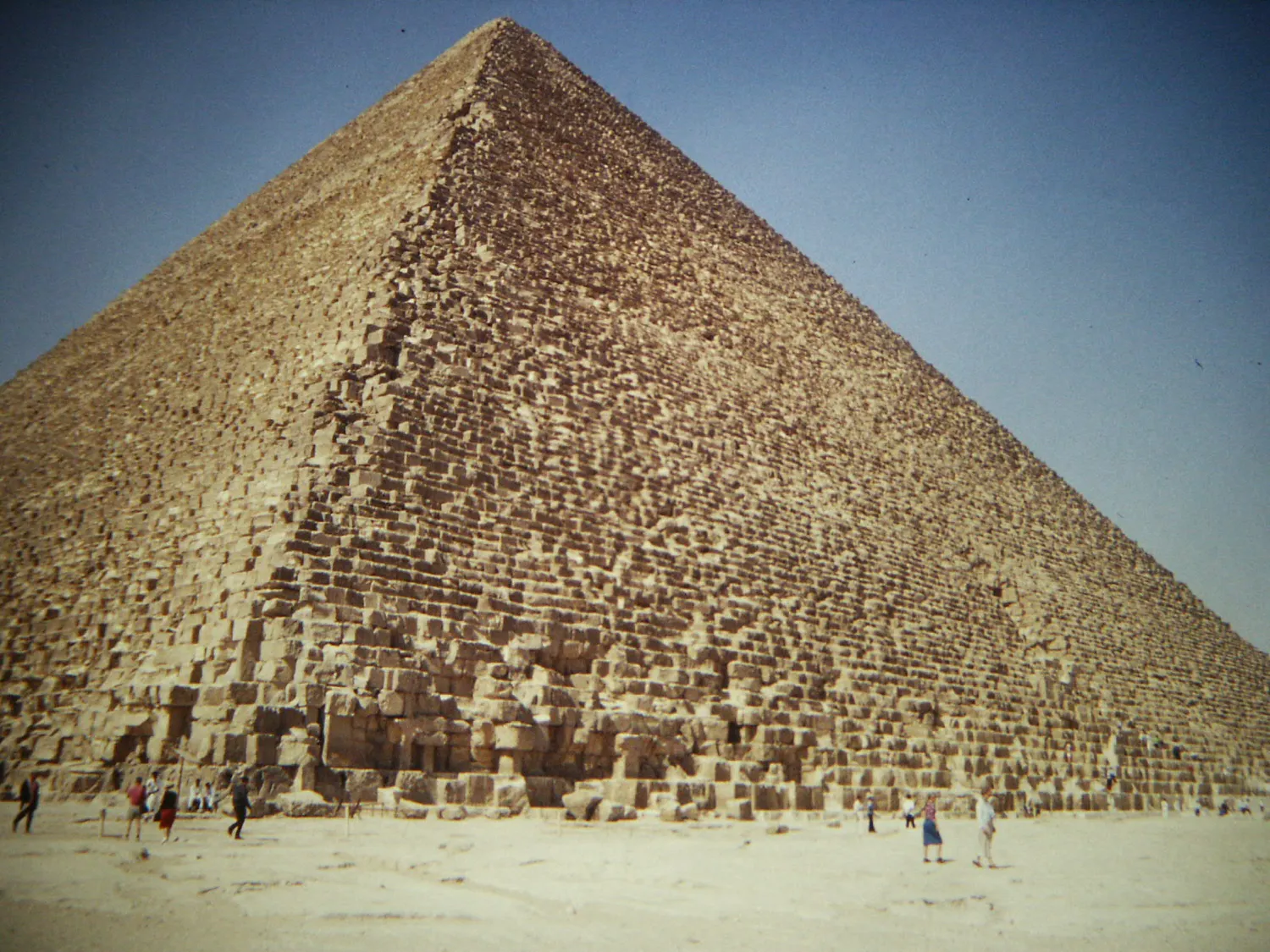
"Giza Great Pyramid of Khufu by Gary Todd from Xinzheng, China / Wikimedia Commons
Throughout history, ancient civilizations constructed remarkable monuments and buildings that still captivate people today. These structures, such as pyramids in Egypt, ziggurats in Mesopotamia, and the Parthenon in Greece, reveal important information about the societies that created them. Archaeologists and historians study these sites to understand how people lived, what they believed, and the technologies they used.
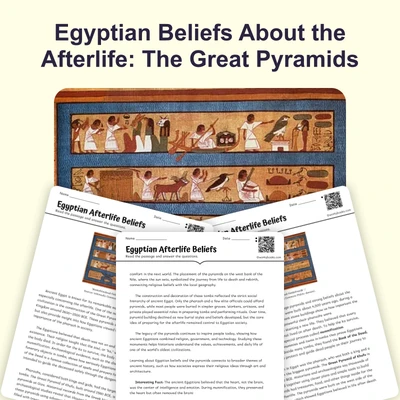
The Egyptian pyramids are among the most iconic ancient monuments. Built as tombs for pharaohs, the pyramids of Giza were constructed during the Old Kingdom, around 2580–2560 BCE. The Great Pyramid of Khufu, originally rising about 146 meters high, was the tallest man-made structure in the world for over 3,800 years. Constructing such massive pyramids required advanced knowledge of engineering and mathematics. Workers, including skilled laborers and farmers during the Nile’s flood season, moved huge limestone blocks using sleds, ramps, and coordinated teams. Hieroglyphic inscriptions inside pyramids provide primary evidence of religious beliefs, showing that Egyptians believed in an afterlife where the pharaoh would become a god.
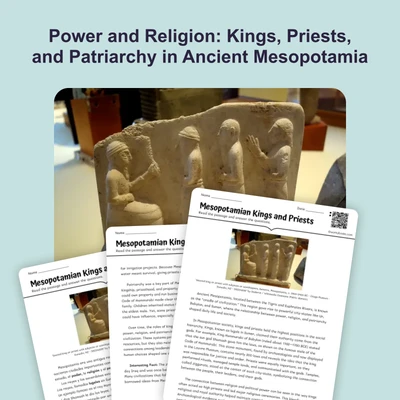
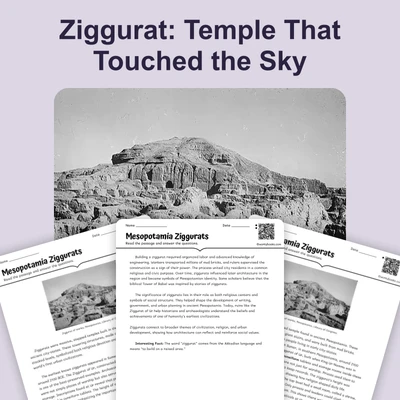
In Mesopotamia, ziggurats dominated city skylines. These multi-layered, pyramid-shaped temples were built in cities like Ur around 2100 BCE. Unlike Egyptian pyramids, ziggurats were not tombs, but places for religious ceremonies and offerings to the gods. The Ziggurat of Ur, described in ancient records, was constructed from mud-brick and reached up to 30 meters high. Its design reflected the Mesopotamian belief that gods dwelled above the earth, and climbing the ziggurat’s steps brought priests closer to the divine. Ziggurats were also centers for city administration and storage, demonstrating the connection between religious and political power.
The Parthenon, built on the Acropolis in Athens around 447–432 BCE, stands as a symbol of the Greek city-state's democracy and artistic achievements. Dedicated to the goddess Athena, the Parthenon featured tall marble columns and intricate sculptures showing scenes from Greek mythology. Its construction required the combined effort of architects, sculptors, and laborers, reflecting the complex social hierarchy of Athens. The Parthenon’s design and decoration show how the Greeks valued beauty, order, and civic pride in their architecture.
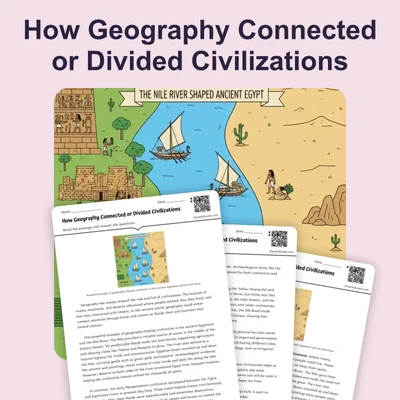
Over time, these buildings demonstrate both change and continuity in ancient societies. While their forms and purposes varied, monuments often served to connect people with the gods, display political power, and express shared values. The location of these buildings was influenced by geography: Egyptian pyramids rose from the desert near the Nile, Mesopotamian ziggurats towered over river valleys, and the Parthenon overlooked the city of Athens. Today, these ancient structures remind us of human creativity and the lasting impact of architecture on world history.
These ancient buildings and monuments connect to broader themes in world history, such as the influence of religion, the rise of complex societies, and the role of innovation in shaping civilizations.
Interesting Fact: The exact method used to build the Egyptian pyramids is still debated by archaeologists, with new discoveries continuing to shed light on ancient construction techniques.
Comprehension quiz (8 questions)
1. What was the main purpose of Egyptian pyramids?
2. Where was the Ziggurat of Ur built?
3. Who was the Parthenon dedicated to?
4. Why did Mesopotamians build ziggurats?
5. What does the Parthenon's design show about Greek society?
6. How did Egyptian workers move heavy stones?
7. The Parthenon is in Athens. True or false?
8. What is a 'city-state'?
Perfect for the way you teach
- Build comprehension skills
- Auto-graded quiz
- Differentiated reading
- Read together at home
- Improve fluency
- Quiet reading time
- Reading curriculum support
- Independent practice
- Track Lexile growth