This learning resource is available in interactive and printable formats. The interactive worksheet can be played online and assigned to students. The Printable PDF version can be downloaded and printed for completion by hand.
This engaging history reading passage explores Hatshepsut, one of ancient Egypt’s most remarkable rulers. Students will learn about her rise to power, achievements in government, trade, and architecture, and the challenges she faced as a female pharaoh. The passage uses primary and archaeological evidence, connects Hatshepsut’s reign to the broader social and geographic context of Egypt, and highlights her impact on Egyptian society. Differentiated and Spanish versions support accessibility for all learners. Activities include a multiple-choice quiz, writing prompts, a cause-and-effect graphic organizer, and a chronological timeline to reinforce comprehension and analytical skills. This resource is aligned to CA HSS 6.2.3 and CCSS RH.6-8.1, RH.6-8.2, and W.6-8.2. Perfect for developing historical thinking and literacy, with read aloud audio and Spanish translation provided.
CONTENT PREVIEW
Expand content preview
Hatshepsut efforts helped maintain Egypt’s stability and prosperity.
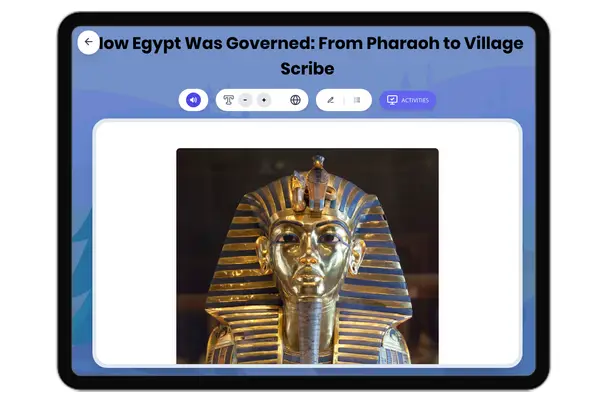
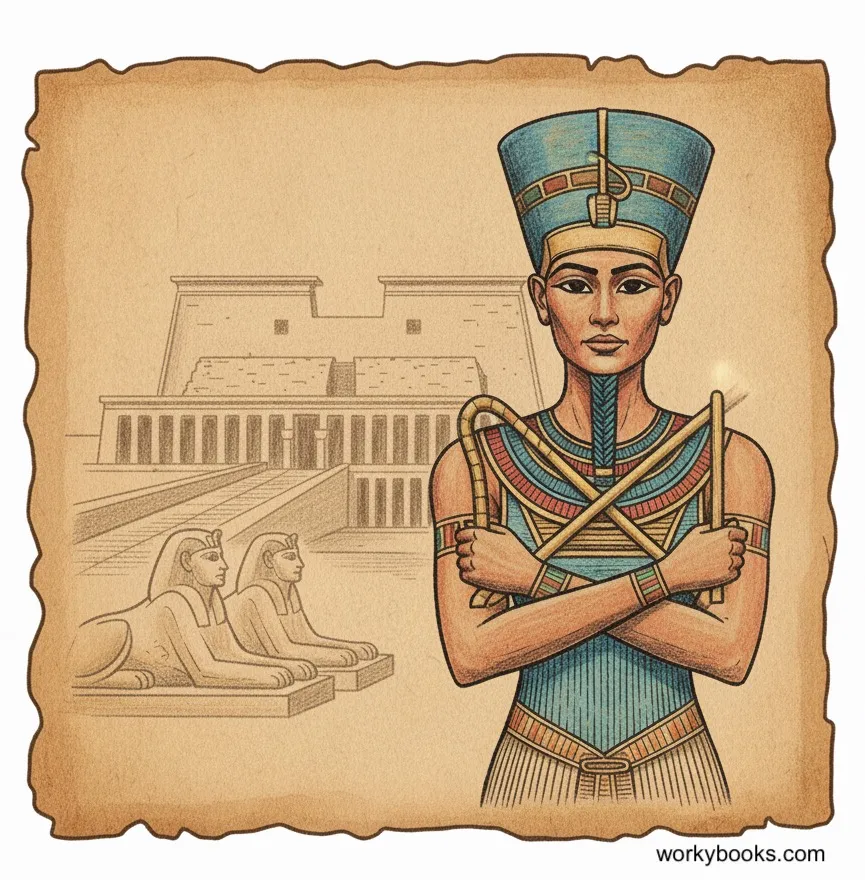
Hatshepsut was one of ancient Egypt’s most influential rulers, becoming pharaoh in 1479 BCE during the New Kingdom period. Unlike most pharaohs, Hatshepsut was a woman, yet she ruled for over twenty years as Egypt’s official monarch. Her reign stands out in history because she adopted the full titles, symbols, and even the false beard of a male pharaoh, challenging traditional gender roles in Egyptian society.
Hatshepsut was originally the daughter of Pharaoh Thutmose I and Queen Ahmose. When her husband, Thutmose II, died, Hatshepsut became regent for her stepson, the young Thutmose III. However, she soon claimed the throne herself, citing support from the god Amun and royal lineage. She governed from Thebes, Egypt’s religious capital, and used her authority to strengthen Egypt through ambitious projects.
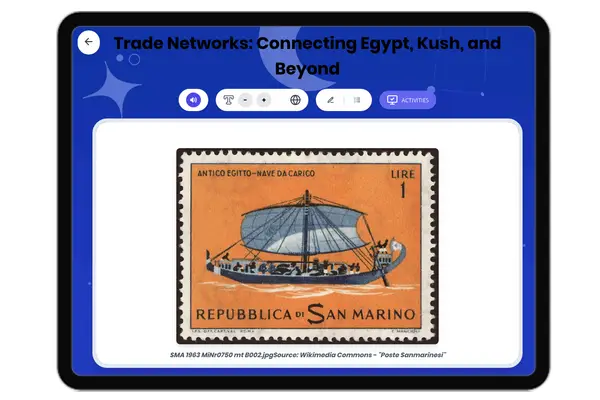
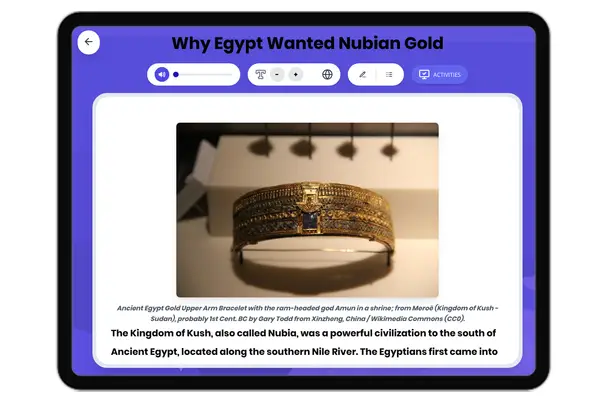
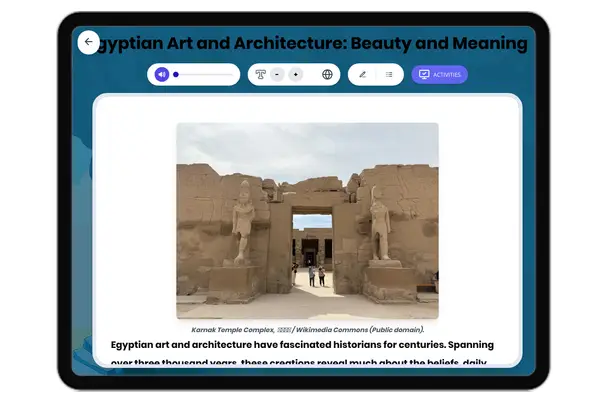
One of Hatshepsut’s most remarkable achievements was her focus on building and trade. She ordered the construction of her grand mortuary temple at Deir el-Bahri, still admired by archaeologists today for its terraces and statues. Inscriptions and reliefs there provide primary evidence of her reign. Hatshepsut also organized a famous trading expedition to Punt, a land believed to be on the Horn of Africa. This voyage brought back gold, incense, ebony, and exotic animals, increasing Egypt’s wealth and prestige. Her efforts helped maintain Egypt’s stability and prosperity, with evidence of peace and grand construction projects throughout her rule.
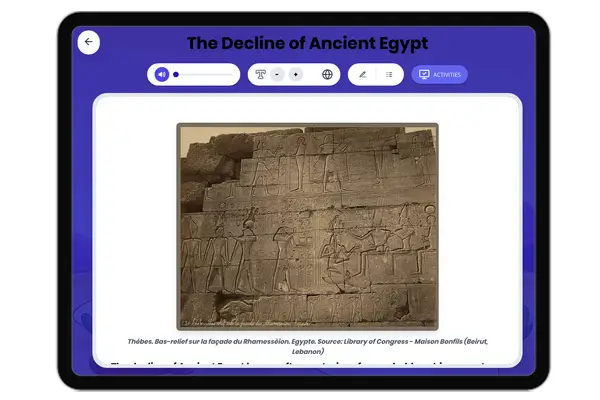
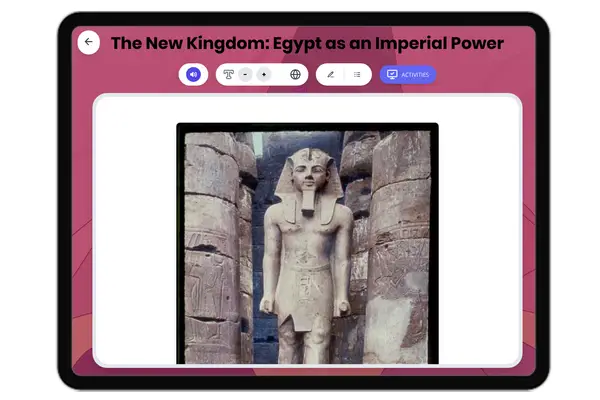
As pharaoh, Hatshepsut had to gain the support of powerful officials and priests, who were accustomed to male rulers. She presented herself as the chosen of Amun and depicted herself in traditional male regalia in statues and carvings. Some evidence suggests that, after her death, later pharaohs—possibly Thutmose III—tried to erase her memory by defacing monuments and removing her name from official records. Despite this, archaeological discoveries have helped restore her legacy in modern times.
Hatshepsut’s reign is significant because it shows how individuals could shape history, even when facing strong cultural expectations. Her rule marked a period of continuity and change: she respected established traditions, yet also brought innovations in trade, architecture, and royal presentation. Studying Hatshepsut helps us understand the complexities of gender, power, and leadership in ancient societies.
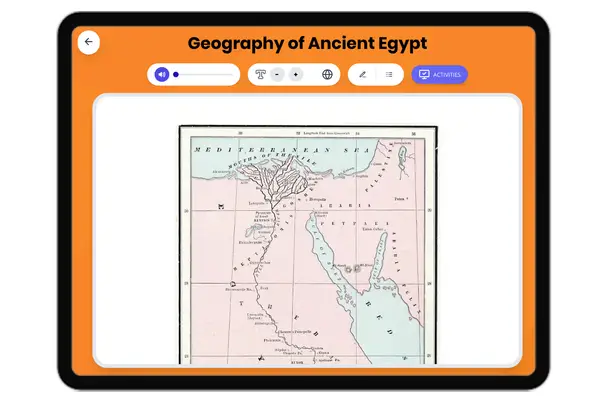
This story connects to broader themes in world history, such as the rise and fall of empires, the importance of leadership, and how geography—like Egypt’s location along the Nile—influenced human development.
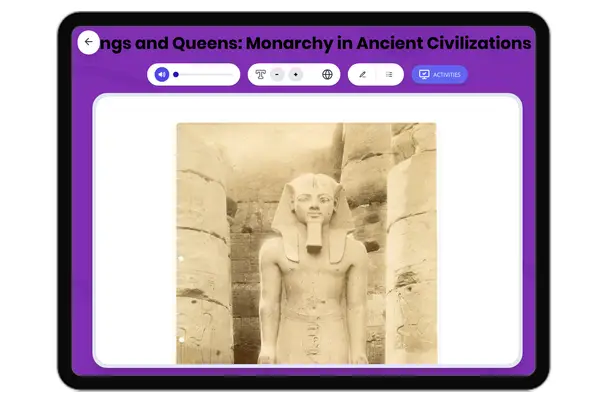
Interesting Fact: Some statues of Hatshepsut show her wearing the false beard and clothing of a male pharaoh, demonstrating her unique approach to royal authority.
When did Hatshepsut become pharaoh?
1479 BCE1200 BCE2000 BCE1000 BCE
What was Hatshepsut famous for building?
Deir el-Bahri templeThe SphinxPyramids at GizaLibrary of Alexandria
Where did Hatshepsut rule from?
ThebesMemphisAlexandriaCairo
Why did Hatshepsut send ships to Punt?
To trade for goodsTo conquer new landsTo find gold minesTo escape Egypt
How did Hatshepsut show she was pharaoh?
Wore male regaliaBecame a priestBuilt a pyramidWrote new laws